
Women in the current generation have a lot more things to focus on, which is leading to ignorance of their own health. But doctors state that most health issues can be addressed if they are diagnosed earlier.
Therefore, regular health check-ups are highly essential for early detection of diseases and maintaining overall health. In this blog, we will look into the top 10 essential women’s health recommended tests, and how often women should get them done.
Why Regular Health Check-Ups Are Important for Women
Regular health screenings offer several benefits for women. They help to identify health conditions early and reduce the risk of severe complications. Early diagnosis is especially important for conditions such as cancer, diabetes, and heart disease. Also, these regular screenings allow doctors to track health changes over time and recommend certain preventive steps that can best help you to maintain long-term wellness.
Essential Health Screening Tests for Women
1. Pelvic Examination
A pelvic exam helps evaluate the health of the female reproductive organs. During the exam, the doctor generally examines the vulva, vagina, and cervix and may perform an internal examination to check the uterus and ovaries. This particular test helps detect infections, abnormalities, as well as other reproductive health conditions.
2. Cervical Cancer Screening (Pap Test)
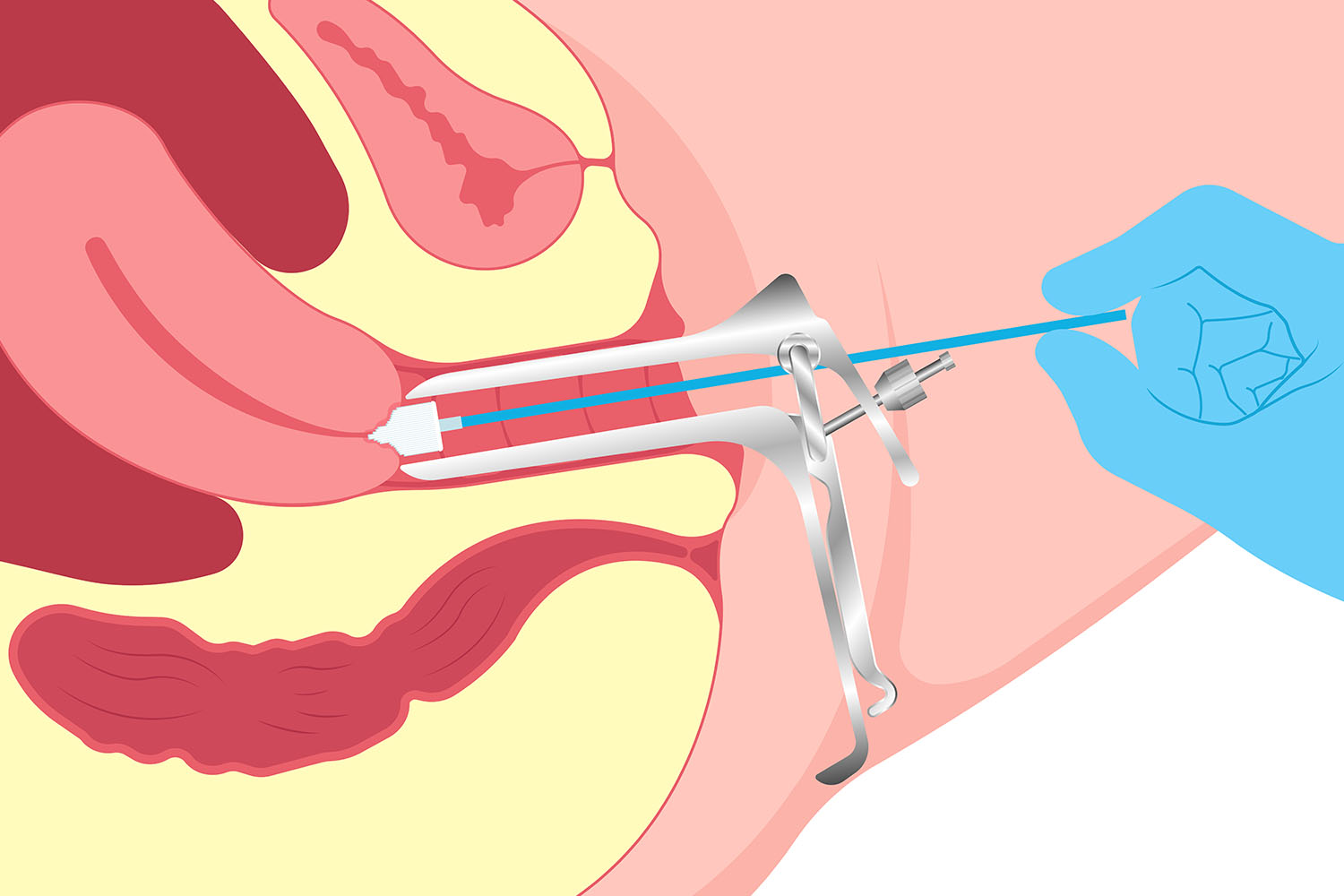 Cervical cancer screening is a must for women because it helps identify abnormal cells that could develop into cancer. The screening may include a Pap test, an HPV test, or both. Cervical cancer cases are on the rise, and you need to have this test to avoid long-term risks. A Pap test checks for abnormal cervical cells that may turn into cancer. In addition, an HPV test detects high-risk types of human papillomavirus that can cause cervical cancer. During the test, the healthcare provider collects a sample of cells from the cervix and sends it to a laboratory for examination.
Doctors usually recommend cervical screening for women aged 21 to 65 years.
3. HPV Testing
The HPV (Human Papillomavirus) test detects infections caused by certain types of HPV that increase the risk of cervical cancer. It is commonly recommended for women who are aged 30 and above, and it may be performed along with a Pap test. If abnormal results are found in the Pap test, doctors may recommend HPV testing to evaluate the risk.
4. Breast Cancer Screening
 Breast cancer is one of the most common cancers in women, making regular breast screening highly recommended.
Breast cancer screening may include:
Clinical breast examination - In this, the doctor examines the breasts and underarm area for lumps or unusual changes.
Mammography:m This is an X-ray of the breast that helps detect cancer at an early stage.
Breast MRI - This is generally used in women who are at a higher risk of breast cancer.
Doctors often recommend starting mammogram screenings around age 40 and continuing them regularly.
Also read - Breast Cancer -Stages, Treatment & Myths Debunked.
5. Sexually Transmitted Infection (STI) Tests
Sexually transmitted infections often have few or no symptoms. Testing is important for sexually active women because untreated infections can lead to fertility problems and other complications.
STI testing can detect infections such as chlamydia, gonorrhoea, HIV, hepatitis B, syphilis, and trichomoniasis. Testing may involve blood tests, urine samples, or swabs from the genital area.
6. Diabetes Screening
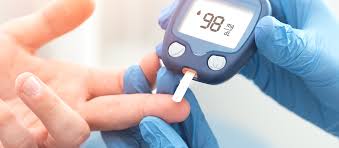 Nowadays, almost all age groups are affected by diabetes. Therefore, regular diabetes screening helps identify high blood sugar levels before serious complications occur. Doctors generally recommend diabetes testing starting at age 35, especially for individuals who already have risk factors such as obesity, high blood pressure, or a family history of diabetes. Symptoms of high blood sugar mostly include frequent urination, excessive thirst, fatigue, and slow-healing wounds.
7. Cholesterol Screening
This is also highly recommended because cholesterol testing helps evaluate the risk of heart disease. Women without risk factors are usually advised to begin cholesterol screening around age 45, whereas those with health risks may require earlier testing.
8. Colon Cancer Screening
Colorectal cancer screening helps to detect if there are any abnormal growths called polyps that may develop into cancer. Doctors mostly recommend this screening starting around age 45. Screening methods mostly are stool tests, colonoscopy, or imaging tests,s depending on individual risk factors.
9. Eye and Vision Tests
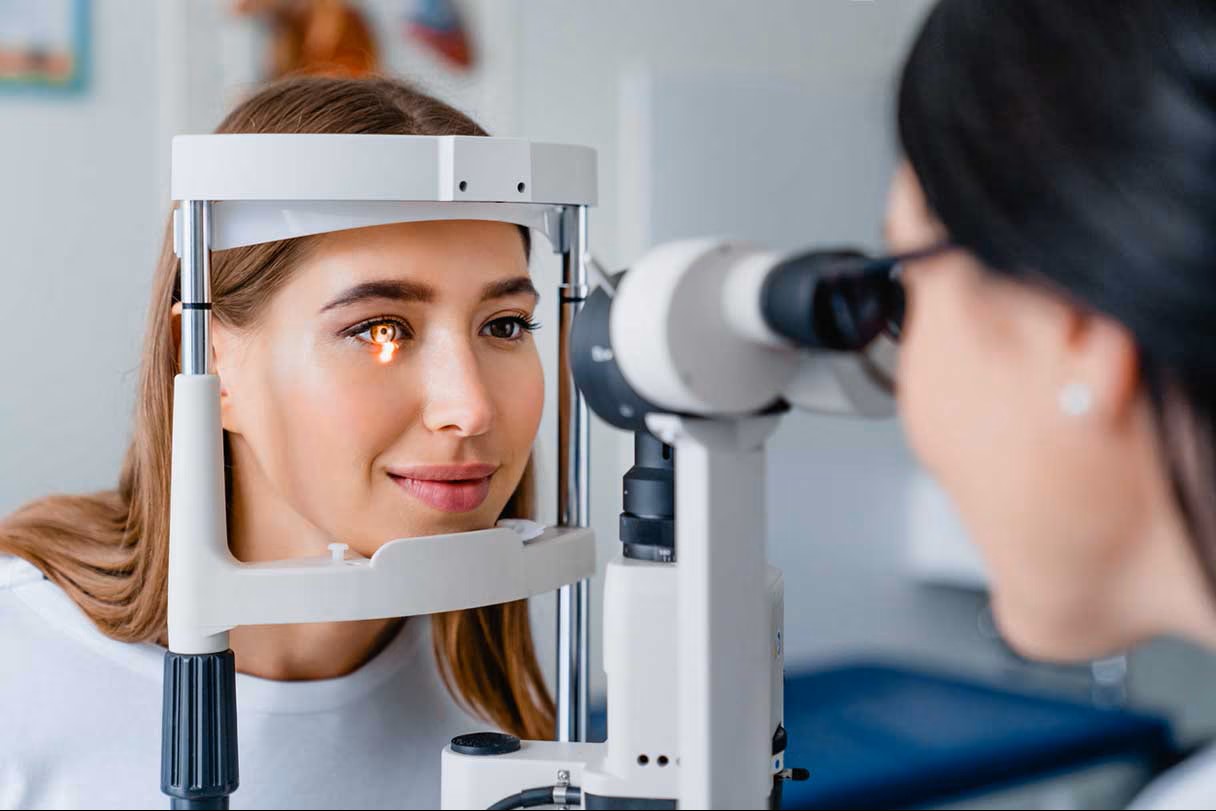 Vision is gradually declining with age in most populations. In this context,t regular eye exams help detect vision problems and conditions such as glaucoma, cataracts, and retinal disorders. Adults need a baseline eye exam at age 1,8 which is followed by regular check-ups every few years, depending on their health.
10. Bone Density Test
Bone density testing helps to evaluate bone strength and helps detect osteoporosis, which is a condition that weakens bones and increases fracture risk. Women with certain risk factors may start testing around age 50, whereas others can begin screening around age 65.
Conclusion
The women’s health check-ups on a regular basis play a vital role in maintaining long-term wellness and preventing serious complications. From cervical cancer screening and breast exams to diabetes and cholesterol tests, routine medical evaluations help women stay informed about their health conditions. It's highly recommended for you to schedule regular screening visits and follow the recommended screenings based on your age and risk factors, which can help you to lead healthier and more active lives.