
Sunscreen is something that no longer remains essential skincare for beach trips or hot summer days. 2026 skincare trends have witnessed a change in the variety of skincare routines. It doesn’t matter if you live in the dry weather of Rajasthan, are surrounded by the humid temperature of Mumbai, get stuck in the rainy weather conditions of Bengaluru, or experience any other winter condition of hilly stations; sunscreen has become a part of a daily skincare routine.
The reality is there is no one sunscreen that works for different Indian skin types, as some sunscreens may feel greasy on skin, some may leave a white cast, and others might get dissolved completely after constantly sweating for 10 minutes. Let's explore which type of sunscreen might be more suitable for your skin type in a more understandable and simple way.
Importance of sunscreen for Indian skin types
→ Indian skin tones tend to produce more melanin that helps to prevent sunburn, except for lighter skin tones.
→ It does not mean that Indian skin tones are completely free from sun damage.
→ Indian skin tones can experience dark spots on certain skin surfaces, tanning, uneven skin texture, premature aging, and other sensitivity issues.
Different types of sunscreen for Indian skin types
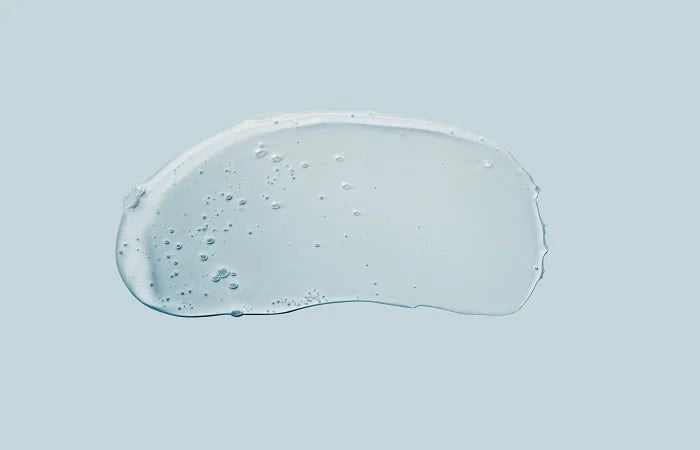
☆ Gel sunscreen: Best for oily or acne-prone skin
→ These are weightless, don’t feel much heavy, and get dissolved into skin smoothly.
→ It also functions well with makeup products and reduces excessive shine on skin.
→ It is suitable for humid weather.
→ For those who get frequent breakouts: look for non-comedogenic sunscreen.
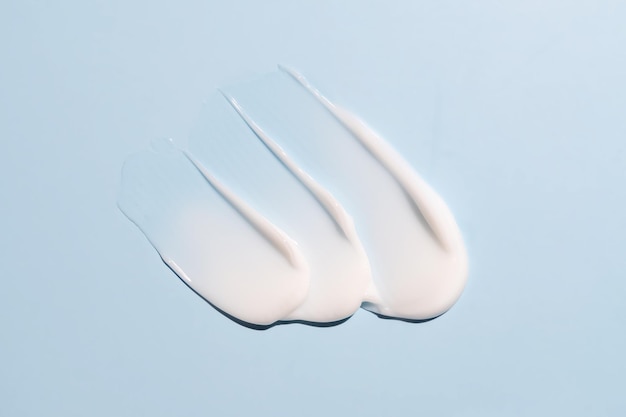
☆ Cream sunscreen: most suitable for dry skin
→ If your skin starts to show tiny white particles after washing your face, cream sunscreens work efficiently as they provide both sun protection and nourishment.
→ It provides a cooling sensation, gives an instant glow, and is more preferred in winter weather.
→ Such sunscreens are not made for summer weather or for those with oily skin.
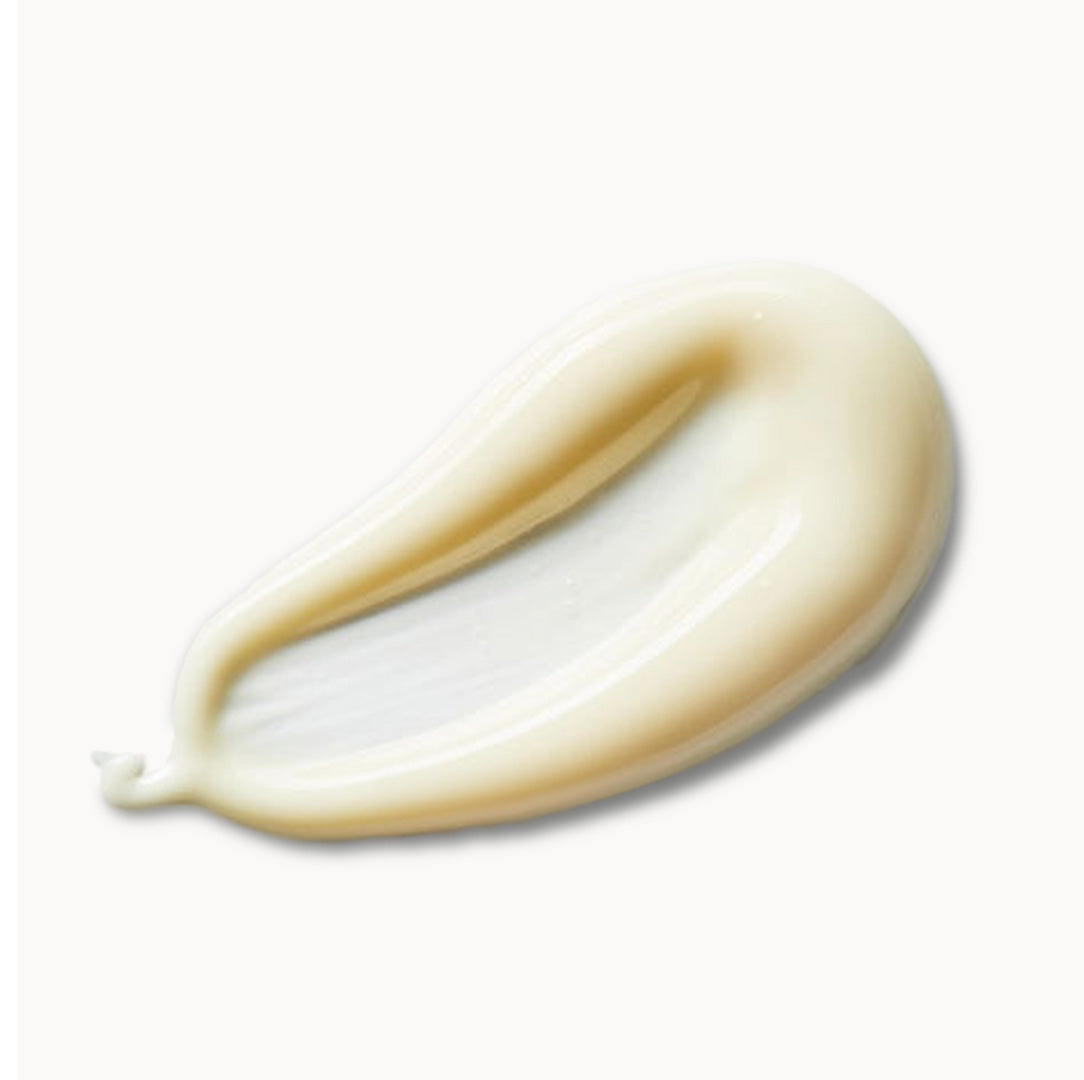
☆ Fluid- or water-based sunscreen
→ These sunscreens are made for individuals who don’t want to feel the texture of a sunscreen, as they are completely lightweight.
→ Such sunscreens don’t feel like you are layering another product on your skin.
→ They don’t leave a white cast, provide quick absorption capacity, and can be used on regular days.
→ It is mostly suitable for combination skin types and can be easily reapplied.
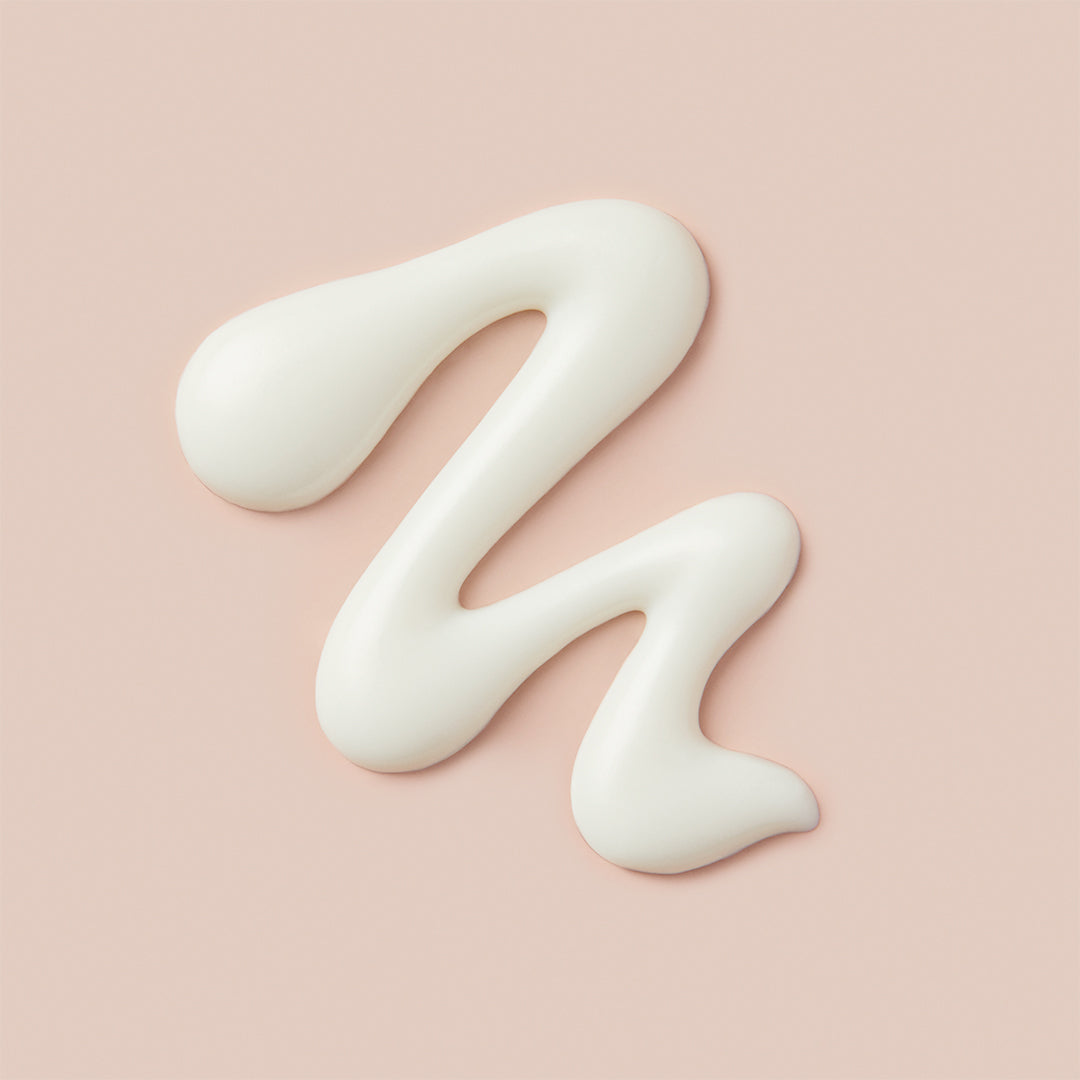
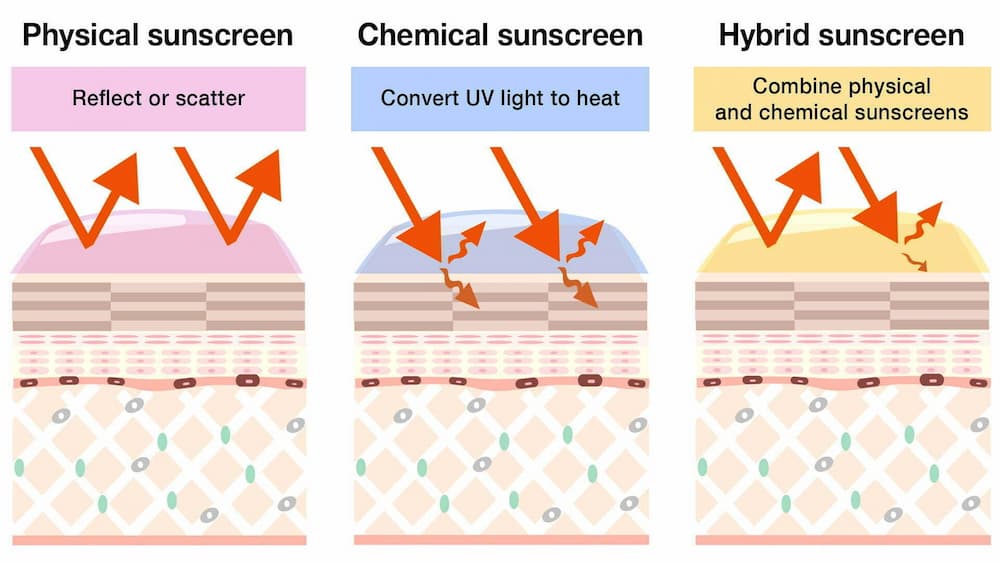
☆ Mineral Sunscreen: Appropriate for Sensitive Skin
→ Such sunscreens consist of ingredients such as zinc oxide and titanium dioxide to promote healthy skin texture.
→ It feels calming on sensitive skin.
→ It works efficiently for redness and irritation.
→ It is also suitable for those who want to try sunscreen after any treatment and children too.
→ The tinted version is more preferred, as such sunscreen might leave a white cast on deeper skin tones.
☆ Hybrid sunscreen: All Rounder Option
→ It-round option consists of a combination of chemical and mineral filters together.
→ It is weightless and gives better protection against UV radiation.
→ It can be suitable for those who are trying sunscreen for the first time and works well for different skin types too.
→ It can be used daily and leave minimal white cast.
Different types of SPF are available for sunscreens
You must have heard about the fancy label of particular SPF associated with different sunscreens. SPF also varies depending on Indian usage.
→ SPF 30: Best for staying inside or short-duration outdoor exposure
→ SPF 50: Functions perfectly for regular outside activities
→ SPF 60+: It works seamlessly for beach vacations, sports activities, or extreme hot weather.
→ PA+++ or PA++++: It indicates providing overall protection and controlling sweat production.
Conclusion
Sunscreen becomes an everyday essential, and its new formulation in 2026 provides more variety, such as tinted for a healthy glowing look, leaving no stickiness or white cast, and better hydration. There are different sunscreens available for all skin types. Sunscreen usage also depends upon weather conditions and individual choice of use. Sunscreen should be applied properly twice a day, using it on ears, neck, and hands, and avoid making DIY material with sunscreen.