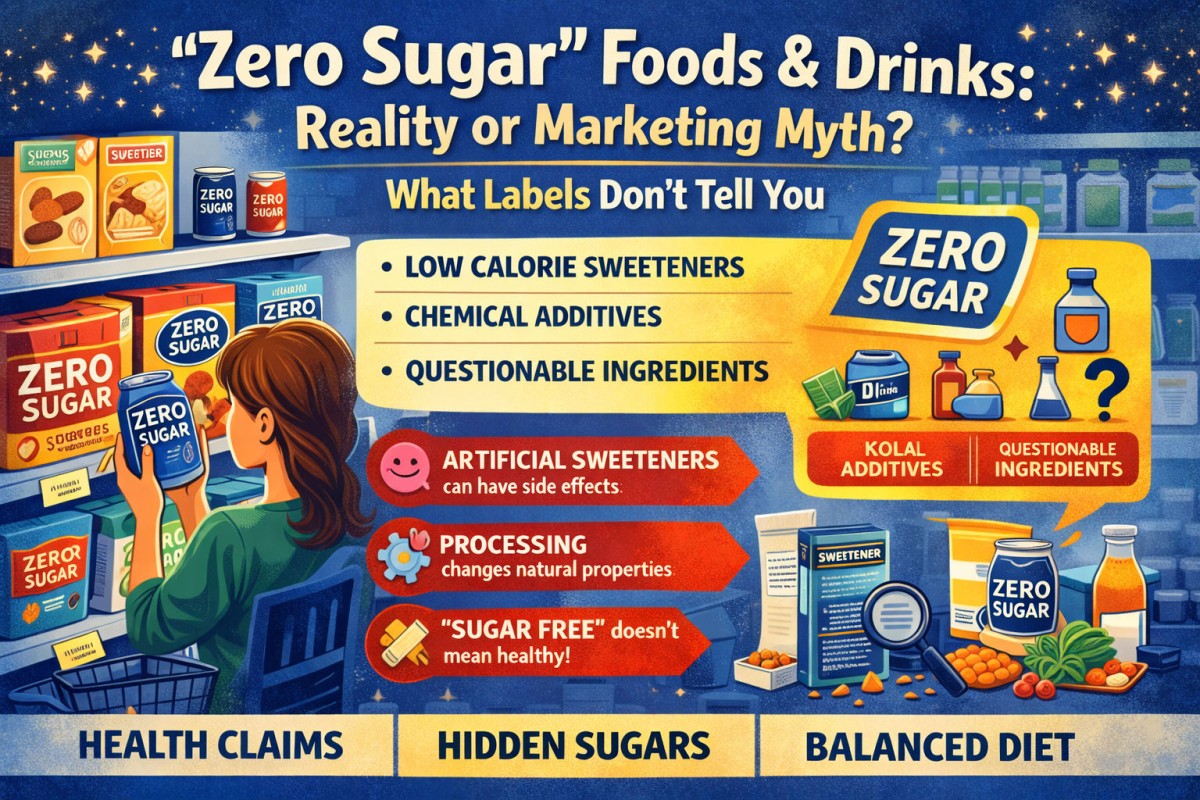
Everyone has heard of such fancy labels as “Zero sugar,” “No added sugar,” and “Sugar free,” which have been used on a wide range of products from cold beverages and biscuits to breakfast cereals and protein bars due to the increased health awareness regarding obesity or overweight issues and high blood sugar levels. The question arises whether such labels are true in their usage or part of some smart marketing strategy by understanding such issues in greater detail.
An overview of the “Zero Sugar” label
➤ Any brand that wants to adopt the label of “zero sugar” or “sugar free” for their products must contain less than 0.5 grams of sugar per serving based on food labeling guidelines.
➤ It does not indicate that the product can’t include sweeteners at all, as manufacturers often find substitutes for sugar in artificial sweeteners, sugar alcohols, and natural sugar substitutes.
➤ There are different types of sweeteners available in these zero-sugar products:
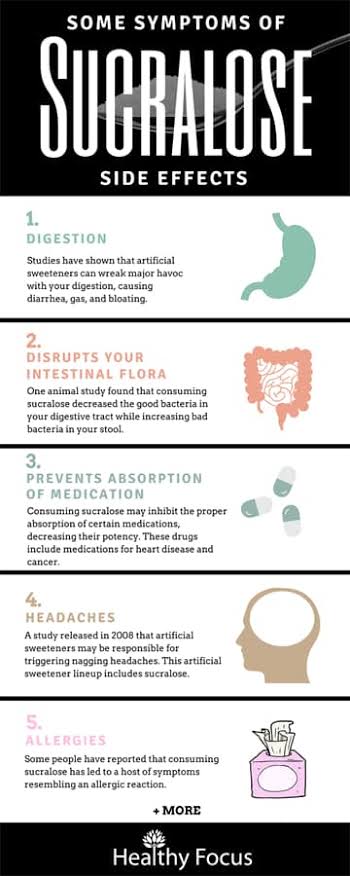
➤ Artificial sweeteners such as aspartame, sucralose, and saccharine, as they provide sweetness without added calories and can have an impact on the regulation of hunger cues and stomach health in a few individuals.
➤ Sugar alcohols such as erythritol, sorbitol, and xylitol also contain fewer calories and can cause gas and stomach discomfort if consumed in excessive quantities.
➤ Natural sweeteners such as stevia and monk fruit extract are considered to be processed material and have an effect on personal taste choices.
➤ These “Zero Sugar” products are industrially produced, contain low fiber, have higher levels of sodium or unhealthy fats, and indicate the absence of important nutrients.
Learn how artificial sweeteners affect your body and digestion
Relationship between “Zero Sugar” and “Health Benefits”
➤ Zero-sugar products consist of highly processed carbohydrates such as white flour, maltodextrin, and purified starch, which can cause a rapid rise in blood sugar, especially for those with diabetes and insulin resistance.
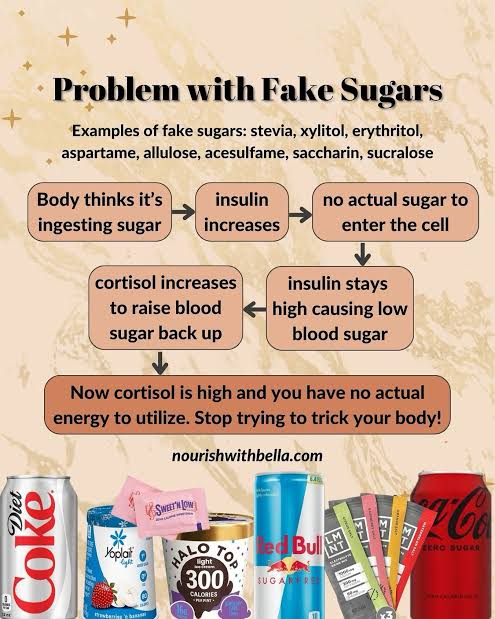
➤ Such products may promote a decrease in daily calorie consumption for a shorter duration, as artificial sweeteners can increase food cravings, a sweet taste in the absence of calories can interfere with hunger cues, and people may tend to eat more to maintain a balance.
Understand how sugar affects your body and health
Role of Marketing in Promoting Zero-Sugar Products
➤ Such effective marketing terms develop a halo effect that creates a mental image in a person's mindset that the product can be consumed without guilt despite being highly processed.
➤ Manufacturers minimize the significance of ingredient content, processing level, and nutritional value that leads to overconsumption.
➤ It is advised to go through the ingredient list, choosing fiber and protein content, being cautious regarding the inclusion of artificial sweeteners, writing down total carbohydrates, and checking portion size.
Get expert recommendations for balanced nutrition
Conclusion
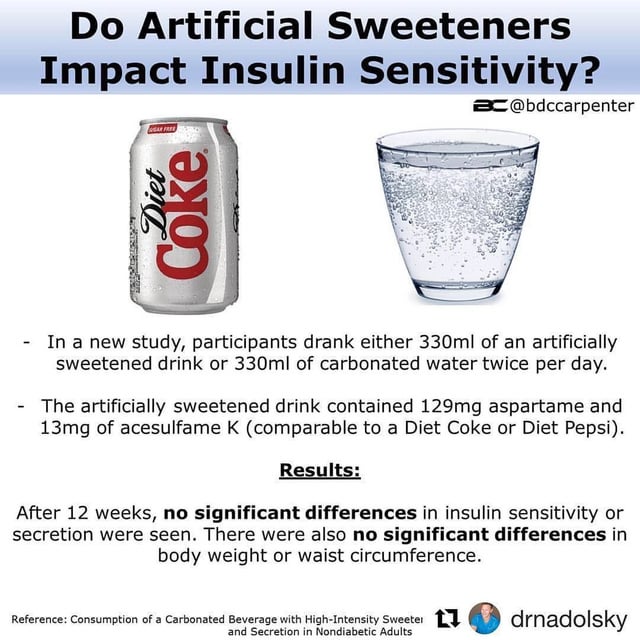
Zero-sugar products can be consumed while starting with any weight loss journey or taken in limited amounts, as they can’t replace a fully balanced nutritional diet. It is suggested to decrease sweetness dependency, opting for water and fruits and using such products as periodic substitutes.