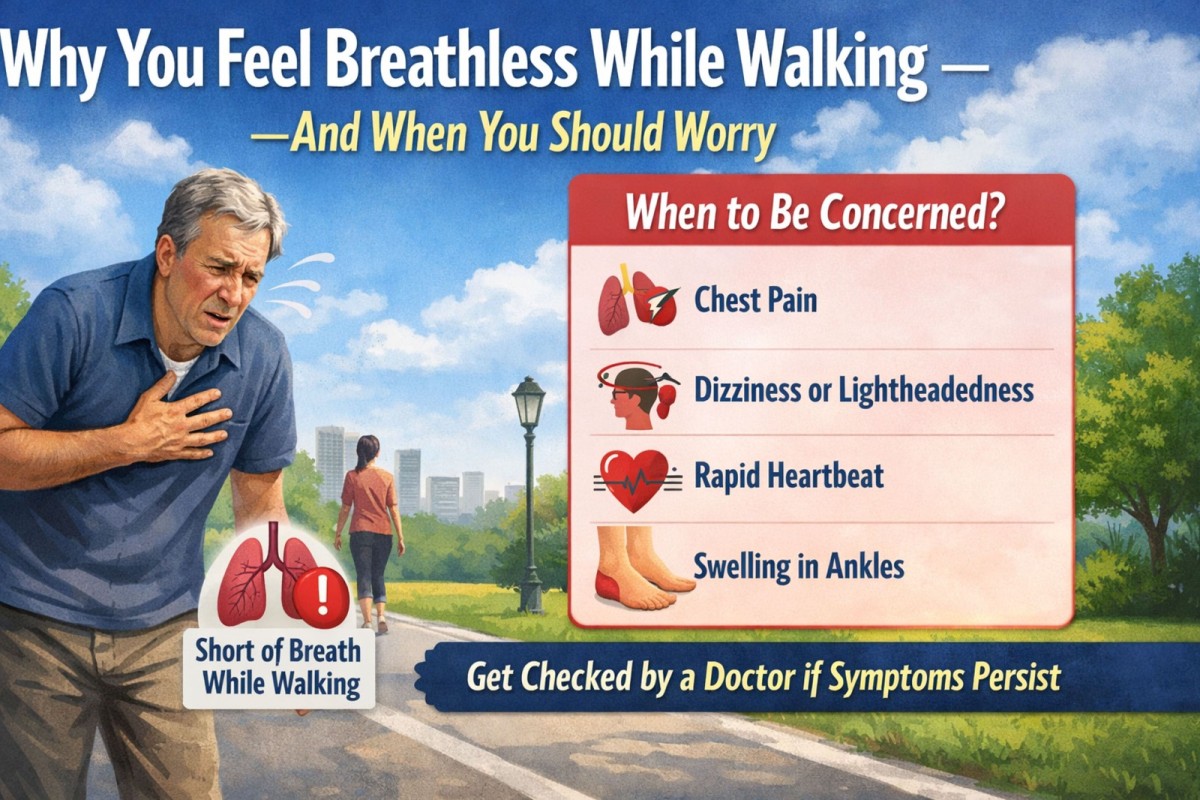
Have you ever experienced difficulty in breathing while walking a short distance, climbing upstairs, or on the roadside, even at a normal speed? It is a common occurrence and does not automatically equal being unfit. It can be that your body is conveying something is wrong within it. Let’s break down what can be the reasons in simpler and clearer terms.
Let’s Start with a Reality Check
Answer these questions.
-
Do you get breathless while walking fast or climbing upwards?
-
Do you feel difficulty in breathing even when walking slowly or doing regular activities?
-
Do you feel pressure in the chest, faintness, or tiredness?
Your answer will help to understand whether this is usual weariness or something your body wants you to become more mindful of.
Why You Feel It: Low Fitness Meets Sedentary Life?
-
You are someone who sits most of the time, hardly going for walks, and unexpectedly starts to move more.
-
Your lungs and heart are not adjusted for such change, and breathlessness from such changes can occur and be resolved through:
-
Resting for some time
-
Physical activity increases
-
Does not result in painful sensation or lightheadedness.
-
Constant routine of walking and exercise.
Walking Regularly but Still Out of Breath? Here’s Why?
-
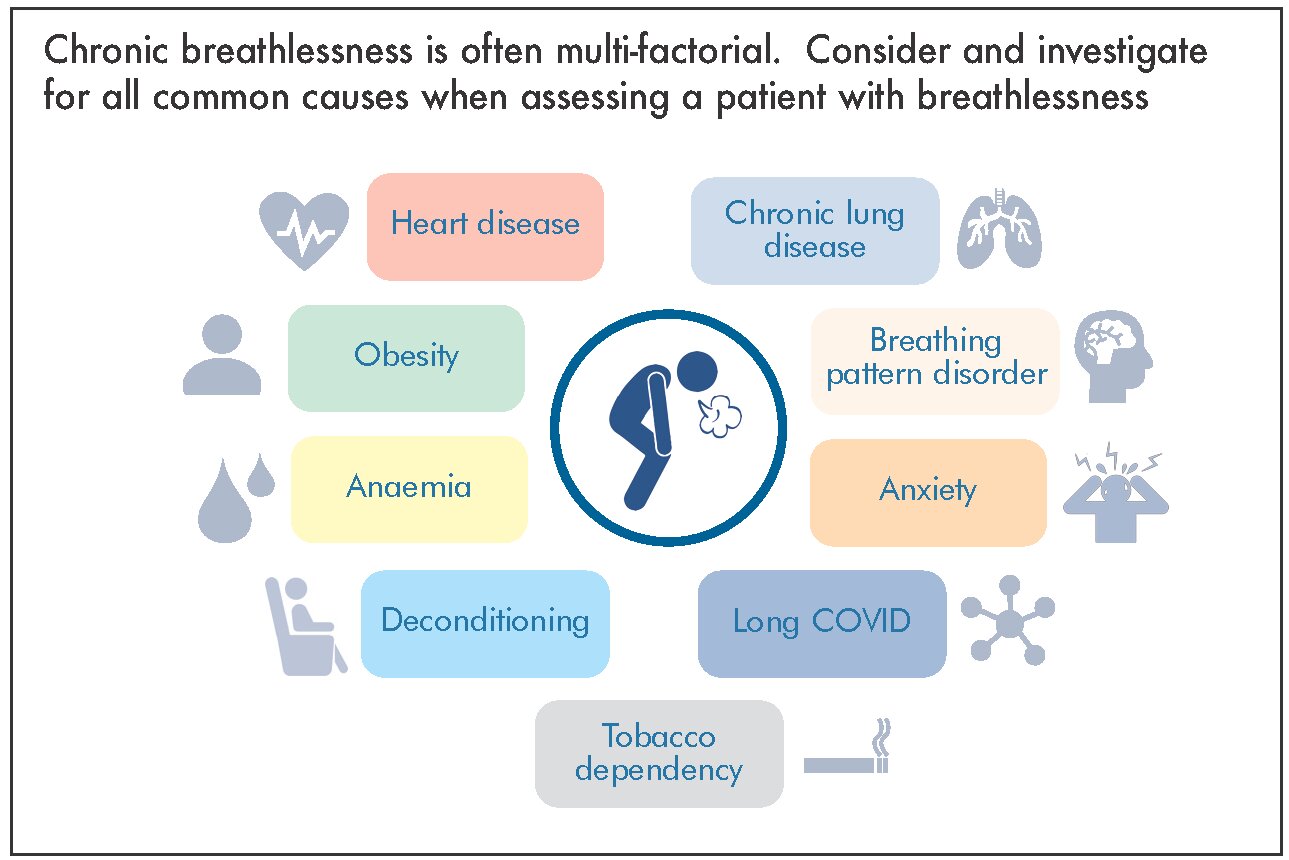
Anemia: when you walk, your muscles require oxygen, and your body is not able to provide it appropriately because of its absence in blood.
-
Common symptoms: tiredness, pale skin, lightheadedness, and breathing difficulties during extreme physical activity
-
Mostly seen in women, vegan diet consumers, and those with excessive menstrual bleeding.
-
Heart conditions: When the heart circulates weak, rigid, and clogged blood filled with oxygen, that leads to breathlessness from mild activity.
-
Early signs: chest tightness, leg puffiness, constant tiredness, and difficulty in breathing while lying down.
-
Special attention to be given for those with diabetes, high blood pressure, or a family history of such conditions.
-
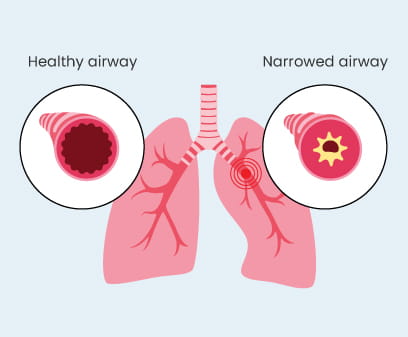
Lung disease: it includes asthma, bronchitis, and changes that occur due to post-pandemic conditions.
-
Early symptoms: sneezing, coughing, chest congestion, and breathlessness in polluted or cold weather.
Quick Check: How Do You Experience Breathlessness?
-
Chest congestion: Lung or heart disease
-
Short and quick breathing: sign of anxiety or less physical activity
-
Breathlessness with tiredness: anemia
-
Difficulty in breathing with swelling: required medical attention
Relationship between weight fluctuations and anxiety or stressful situations with breathlessness
-
Excess weight can disrupt the functioning of the heart and lungs, which makes walking difficult.
-
Thyroid disorders, absence of proper water intake, electrolyte restriction, and sleep disturbances can impact energy levels and respiration.
-
When our nervous system is on fight-or-flight mode, it can cause fast breathing, chest constriction, and suffocation that can be improved through relaxation and stress management techniques.
Conclusion
Difficulty in breathing can be a sign of being unfit that can be resolved through eating iron-rich foods, staying hydrated, taking deep breaths, and starting small walks. It is also important to seek medical attention if breathlessness unexpectedly occurs, happens when you’re resting, combines with chest discomfort, dizziness, and puffiness, and you have known lung and heart problems that can be diagnosed through simple blood tests.