
Everyone around us is busy scrolling through reels and invested in doing work or study that leaves little time to actually focus on enjoying our meals as a proper form of nourishment. The term “mindful eating" is becoming popular among trending hashtags that convey a simple idea: being fully focused on food while eating can have an impact on the fulfilment of hunger needs and associated satisfaction.
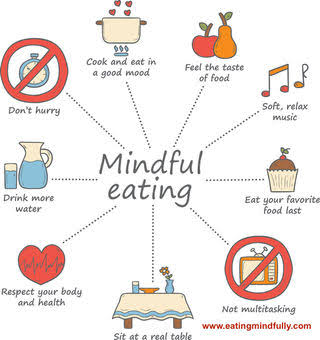
First Step: A Quick Food Awareness Check
Answer these questions regarding the last meal you took.
▣ Do you recall how it smelled?
▣ Do you remember the taste of its first bite?
▣ Do you recognize when you totally feel satisfied after eating?
If you can’t answer these questions, then you are in the same group of people. There are many people who complete meals without relishing them properly. Mindful eating motivates you to slow down and re-engage with the experience of eating rather than taking it as a secondary or daily activity.
Mindful Eating: What Does It Actually Mean?
▣ It is derived from the term "mindfulness," which refers to being fully conscious of present surroundings without being judgmental.
▣ It revolves around being aware of your hunger signals
▣ Chewing every bite and focusing on its taste.
▣ Limiting avoidable distractions while eating
Why Mindful Eating Feels Hard for Many People
▣ Mostly people tend to stay occupied in hectic schedules that make accessible food a better option for quick eating.
▣ Imagine situation 1: you are eating dinner while watching some web series and do not see how much food is on your plate.
▣ Imagine situation 2: you sit on your chair, consume a few small bites of food, sense its flavor and taste, and realize that your stomach is being fed properly.
▣ Quick reflection: Among these two situations, which one helps to understand hunger needs better?
▣ Mostly you would choose that being slow to acknowledge how much they have eaten.
Mindful Eating Is Not a Perfection Game
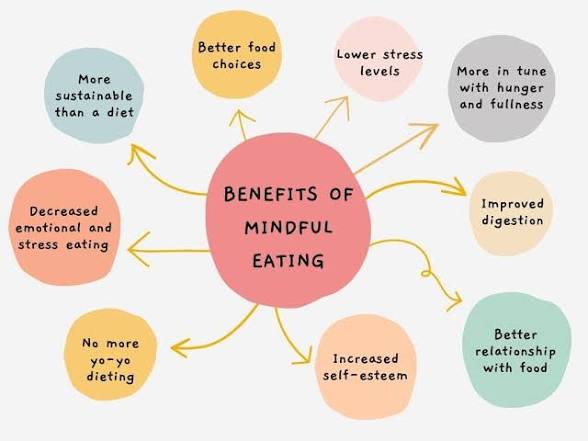
▣ Eating slowly aids in proper digestion and helps to avoid overeating triggered by boredom and stress.
▣ Mindful eating is about being aware of your food choices and their quantity.
▣ For example, thinking of having dessert after dinner, consume some healthy alternative such as dark chocolate or anything made of jaggery that helps you to make balanced choices.
Easy Ways to Practice Mindful Eating
▣ Start by consuming one meal a day without using any digital gadgets
▣ Take the first three bites of the food slowly to appreciate its flavor, smell, and texture.
▣ Before consuming food, ask yourself, are you truly hungry or eating out of boredom or emotional distress?
Conclusion
Mindful eating can be a great way for making a positive impact in life by becoming attentive regarding emotional triggers and hunger signals. It helps you to create a discipline that keeps your body healthy and mind active by promoting a stable balance between its functions.