Hot weather and heatwaves can be totally different experiences, as the body can be adaptable during warm weather after a while. Heatwaves can make you sweaty, increase heart rate, and try to control the body temperature. Your body is stronger than you think in terms of managing such conditions, but certain heat levels can go beyond its limits and start to show symptoms that are important to identify by going through this brief and easily comprehensible blog. 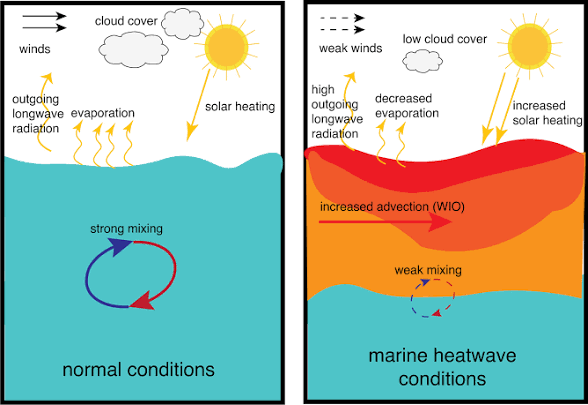
Take a Moment—Ask Yourself This
Think when you are stepping out during hot weather.
✸ Do you feel exhausted even with small tasks?
✸ Do you experience sweating frequently or stop sweating altogether?
✸ Do you feel lightheaded or have constant heaviness in your head after staying outside?
If your answer is yes to some of these questions, then your body is usually responding to heat stress.
When Heat Quietly Drains Your Energy
✸ You notice that while walking for a short distance, you feel lethargic.
✸ Small tasks needs more motivation and energy
✸ You feel tired throughout the day.
✸ This usually occurs when the body directly resources towards cooling off, resulting in blood vessels expanding to release heat and sweating increasing, which requires extra energy, making you feel worn out.
The Strange Case of Too Much (or Too Little) Sweat
✸ When sweat dries up, leading to a decrease in body temperature.
✸ During hot weather, sweating may drench clothes instantly; that means your body is putting more effort into cooling off on its own.
✸ During heatstroke, sweating decreases even when body temperature increases and requires instant medical attention.
Occurrence of headaches and lightheadedness
- You may also feel dizziness, including distorted vision, impaired focus, and a spinning sensation.
- This happens when blood vessels broaden, leading to rising blood pressure and, along with dehydration, a decrease in blood flow to the brain.
- Body signals to take a pause, reset, and hydrate.
- Headaches mostly occur due to electrolyte imbalance and constant sun exposure.
- If headaches are combined with stomach discomfort and confusion leading to heat exhaustion.
Muscle Cramps: A Sign Your Body Needs Minerals
- Sweating decreases the functioning of important minerals such as sodium and potassium.
- Heat cramps, including affecting legs, arms, and abdomen due to electrolyte imbalance.
- Mostly affected: Athletes and people invested in doing intense physical activity.
A Quick Heatwave Self-Check
When you spend too much time in extreme hot weather, your temperature rises; pause and ask these questions to yourself to determine early symptoms.
- Do I sweat too much or not at all?
- Do I feel exhausted and dizzy?
- Do I drink plenty amount of water?
- Do I feel my temperature rising?
Simple ways to deal with heatwave: drinking water, wear lightweight clothes, avoid activity during afternoon hours, eating hydrating food such as watermelon and cucumber and taking breaks while working outside. 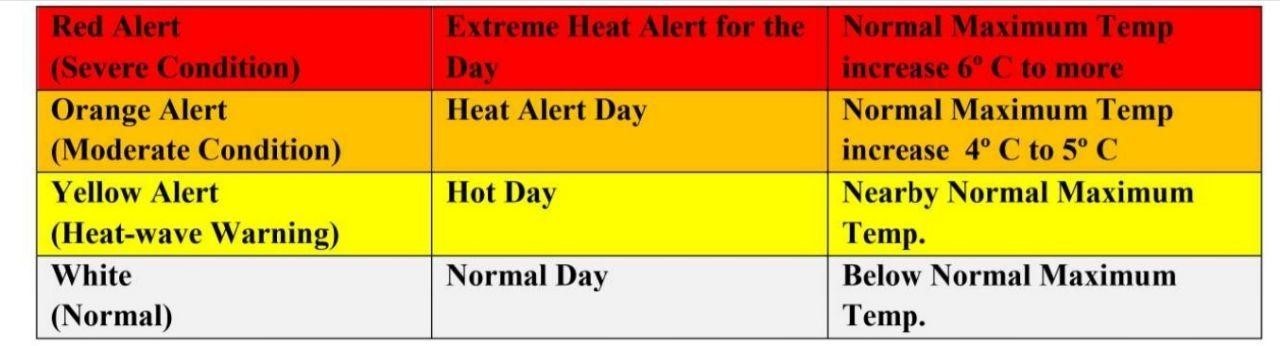
Conclusion
Heatwave and extreme hot weather" can be confusing terms, and their associated effects are different. Heatwaves involve rising body temperature, difficulty in concentration, stomach discomfort, headaches, fatigue, and dizziness that require immediate action.