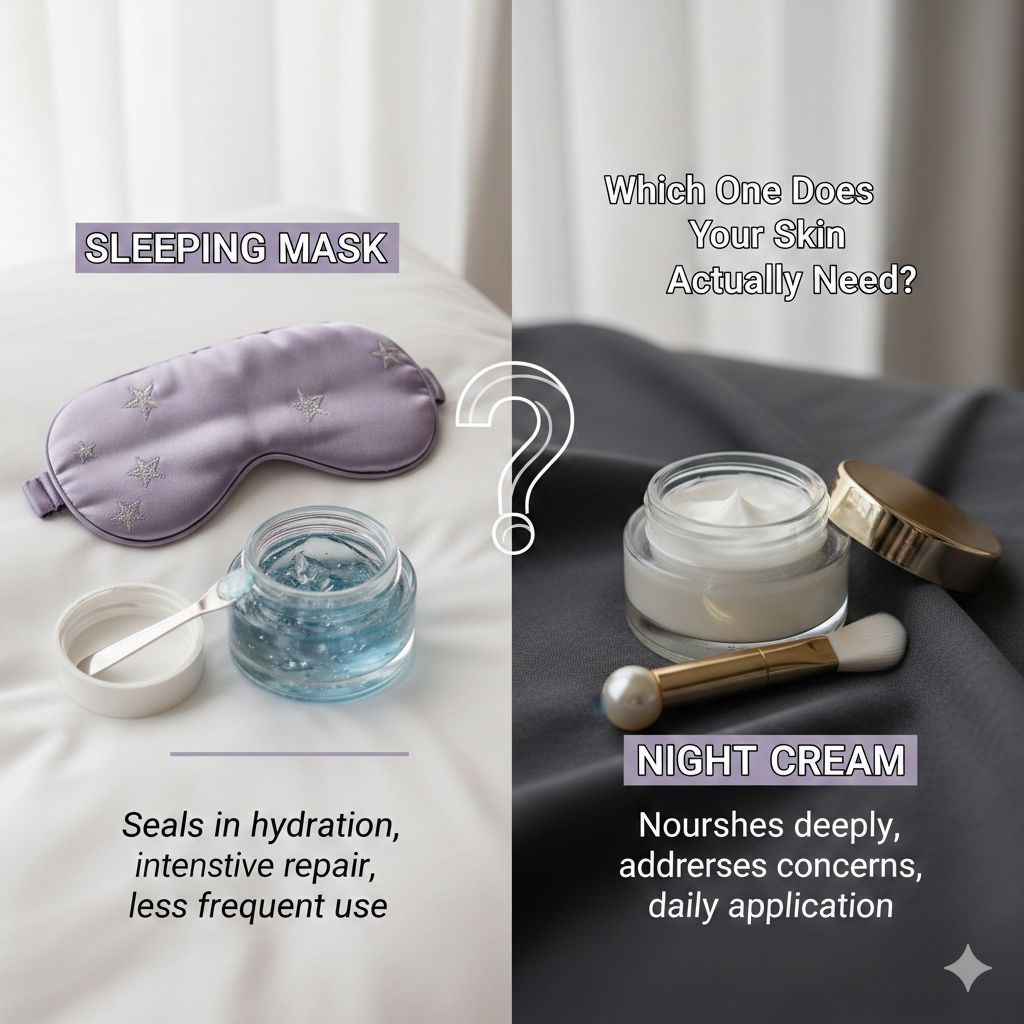
You must be already confused with following a proper daytime skincare routine, and a new trend of nighttime skincare is gaining popularity among beauty influencers and their audience. After following a step-by-step routine of using face wash, toner, serum and moisturiser, sleeping masks are now considered to be a better alternative for night cream. So whether both of these products are different or actually required by all of you who already get confused with multiple skincare products. Let’s understand this concept in clearer and less technical ways. 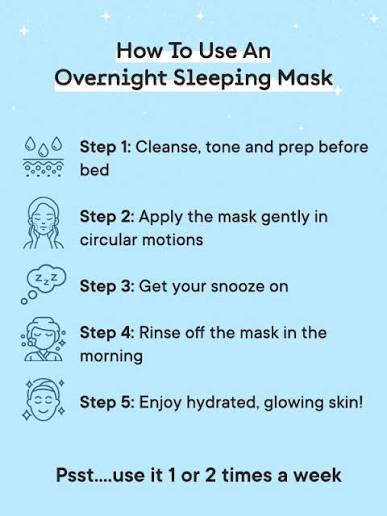
What Is a Night Cream Actually Supposed to Do?
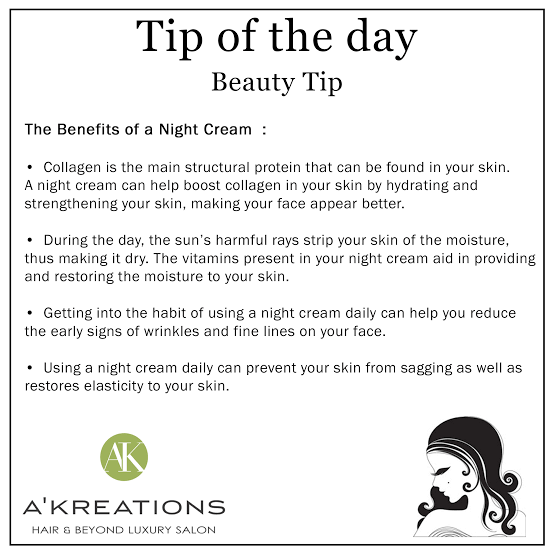
Imagine your night cream as a daily skin repair solution that performs its role, such as
→ Nourishes the skin
→ Support skin barrier recovery
→ Rehydrate skin after daily moisture loss
→ Promote skin regeneration while you sleep
→ Suitable for all skin types and is considered sufficient for everyday night care.
Sleeping Masks: What Are They Really?
→ Functions as a treatment that focuses on treating a particular body area
→ Maintains moisture levels
→ Infuses skin with potent ingredients
→ Acts as a protective shield over your skincare
→ Addresses concerns such as dull skin, moisture loss and sensitivity.
Quick Quiz: What Does Your Skin Need Right Now?
Answer these questions honestly.
→ Do you feel your skin is dry or dull-looking after you wake up?
→ Has your moisturiser not been working properly on your skin lately?
→ Does your skin show redness and dehydration over time?
If your answer is yes, then your skin requires a sleeping mask.
If your answer is no, high-quality night cream works appropriately for your skin.
Texture Check: How Do They Really Feel?
→ Night cream gives a smooth and velvety finish
→ Night cream is hydrating and feels lightweight for daily usage.
→ Sleeping mask appears to be heavy, gel-formulated.
→ Sleeping masks are kind of barrier-forming.
→ Sleeping masks should be used 2-3 times a week as a weekly treatment, particularly for oily and acne-prone skin.
Night Cream vs. Sleeping Mask: What Happens If You Switch?
Skipping night cream might cause various skin concerns such as:
→ Give a short-lived moisture boost.
→ Lack of sustained barrier repair benefits
→ Focuses on only short-term improvements.
→ Those with dry skin require night cream regularly and a sleeping mask 2-3 times a week.
→ Those with oily skin require these products occasionally.
→ Combination skin may need both products when skin feels tight.
→ Sensitive skin demands a strengthening protective skin layer night cream and a gentle sleeping mask.
Conclusion
Night cream repairs your skin, and sleeping masks support skin health. Think of night cream as daily nutrition and sleeping masks as weekend relaxation rituals. It is important to use both products cautiously and not together. A sleeping mask is not a necessity, as it works only when makeup feels patchy on skin, the face feels overstressed by morning and skin requires over-exfoliation.