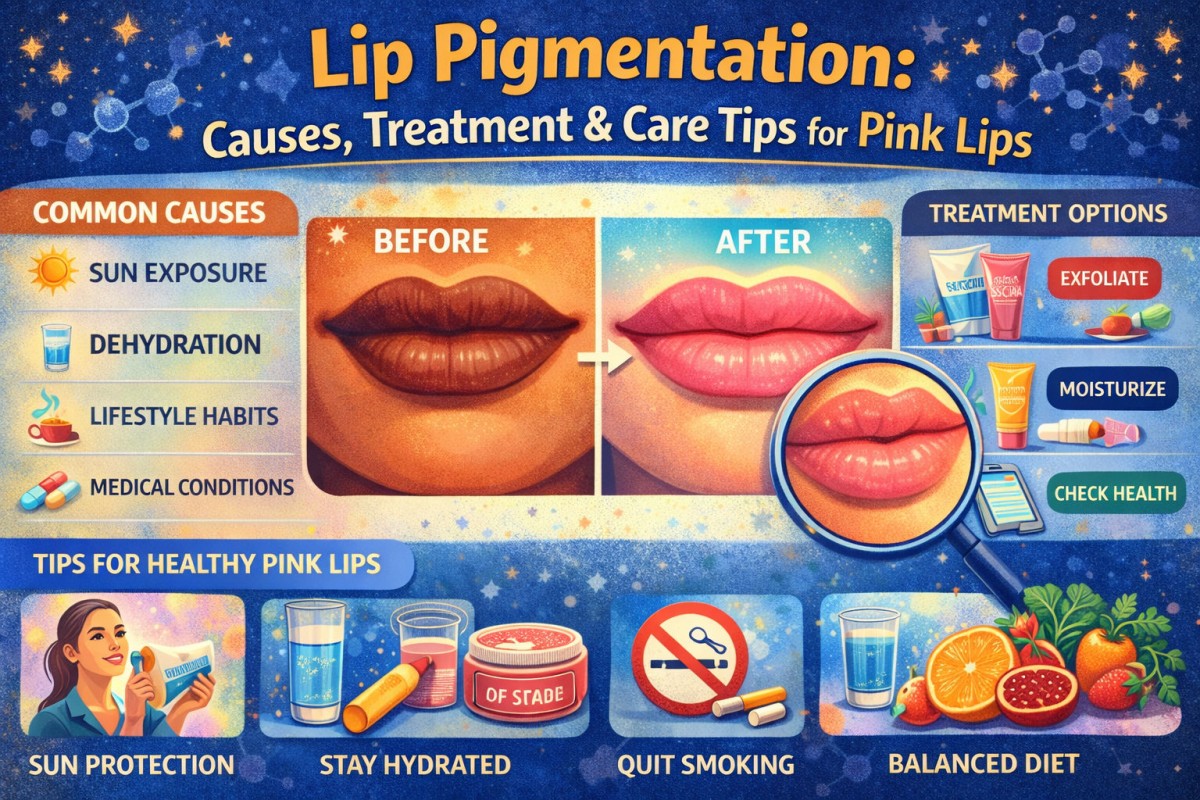
Many individuals have dark or uneven lips due to genetic influences mostly affecting them. The concern arises when people start to notice their lips are losing their natural color, experience inconsistent texture around the lip area, and have an irregular appearance suddenly that can be caused by lifestyle changes, environmental conditions, and lack of proper lip care. The usefulness of appropriate knowledge and regular care can reduce pigmentation and make lips look more natural and nourished for those who experience such issues in shorter periods.
Learn how to restore pink lips and prevent pigmentation with effective lip care.
A Glance at Lip Pigmentation
➜ It refers to discoloration of the lips that can appear as dark brown or purple lips, inconsistent tone, uneven shading around the lip edges, and reduced natural flush.
➜ Lip skin is considered to be thinner and more vulnerable to damage than the facial skin. 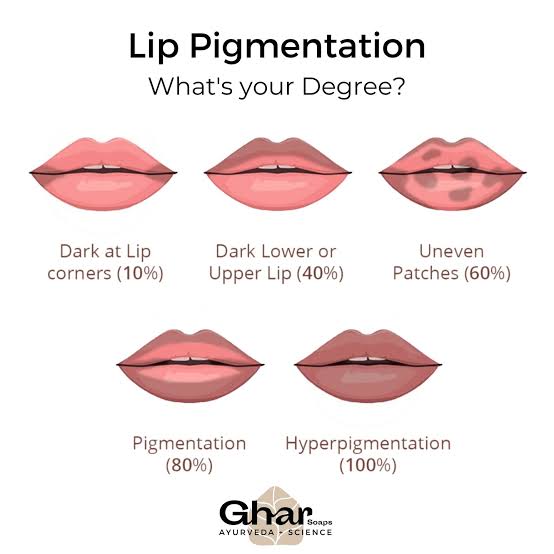
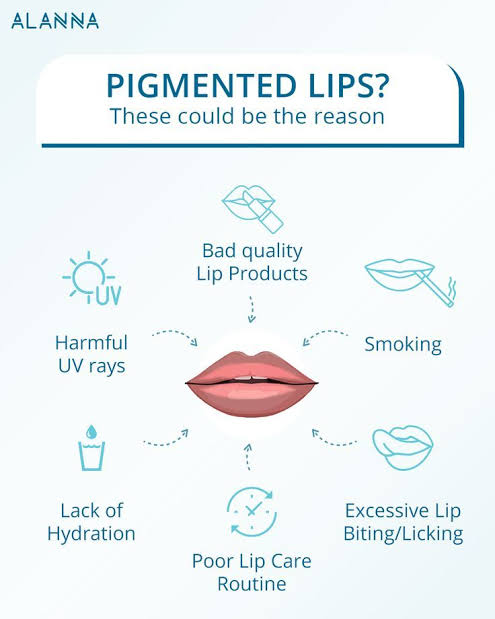
Factors Affecting Lip Pigmentation
➜ UV radiation that occurs from sun exposure encourages melatonin secretion that makes lips darker over time.
➜ Nicotine and heat that are present in smoking help limit excess blood flow and support natural melatonin release that darkens the lips slowly.
➜ Moisture-depleted lips tend to show discolouration and dullness. Chapped lips tend to recover irregularly, which causes pigmentation.
➜ Using lipsticks, especially with matte formulation, for a longer period can disrupt the lips' hydration balance and induce pigment changes with consistent usage.
➜ Using certain lip balm, toothpaste, and cosmetic products may cause sensitivity issues and post-inflammatory pigmentation.
➜ Constant licking of lips can decrease moisture levels and make lips darker over time.
➜ The occurrence of certain hormonal dysfunctions, pregnancy, and health conditions can trigger lip pigmentation.
Explore dermatologist-approved serums for addressing dark spots and uneven skin tone.
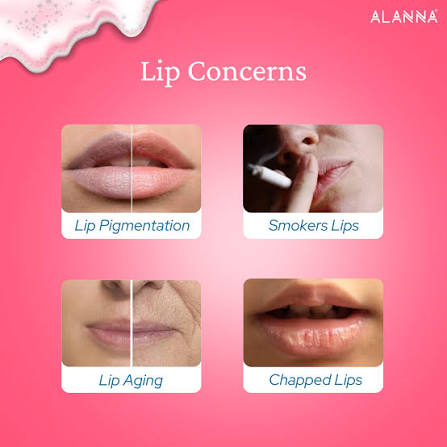
Safe Treatment Options for Lip Pigmentation
➜ Starting to include lip care products with SPF 15 or higher formulation to prevent getting them damaged from ultraviolet radiation and reduce discoloration.
➜ Gently scrubbing lips 1-2 times a week promotes skin renewal by clearing away dead cells and corrects uneven texture by using a soft toothbrush.
➜ Keep drinking water for maintaining appropriate hydration balance by giving lips a smooth, supple, and brighter look.
➜ Choosing lip balm that consists of shea butter, beeswax, vitamin E, almond, or coconut oil.
➜ It is also important to limit caffeine consumption, avoid smoking, and cope with stressful situations to promote natural-looking lips.
➜ Using some home remedies after doing a patch test, such as almond oil or ghee for gently massaging at night for nourished lips, honey for repairing damaged lips, rose petal paste to renew natural lip color, and beetroot juice for enhancing natural lip color.
Understand how niacinamide and vitamin C compare for brightening and pigmentation control.
Conclusion
Lip pigmentation can also be reduced by using some lip balm and lip cream that contains mild ingredients such as kojic acid, niacinamide, licorice extract, and vitamin C. It is not recommended to use any DIY methods or those that contain harsh bleaching agents. It can be important to see a dermatologist if pigmentation starts to appear more frequently, you experience tingling sensations and peeled lips, and home care shows no visible results after months, as it suggests some medical or allergic symptoms.