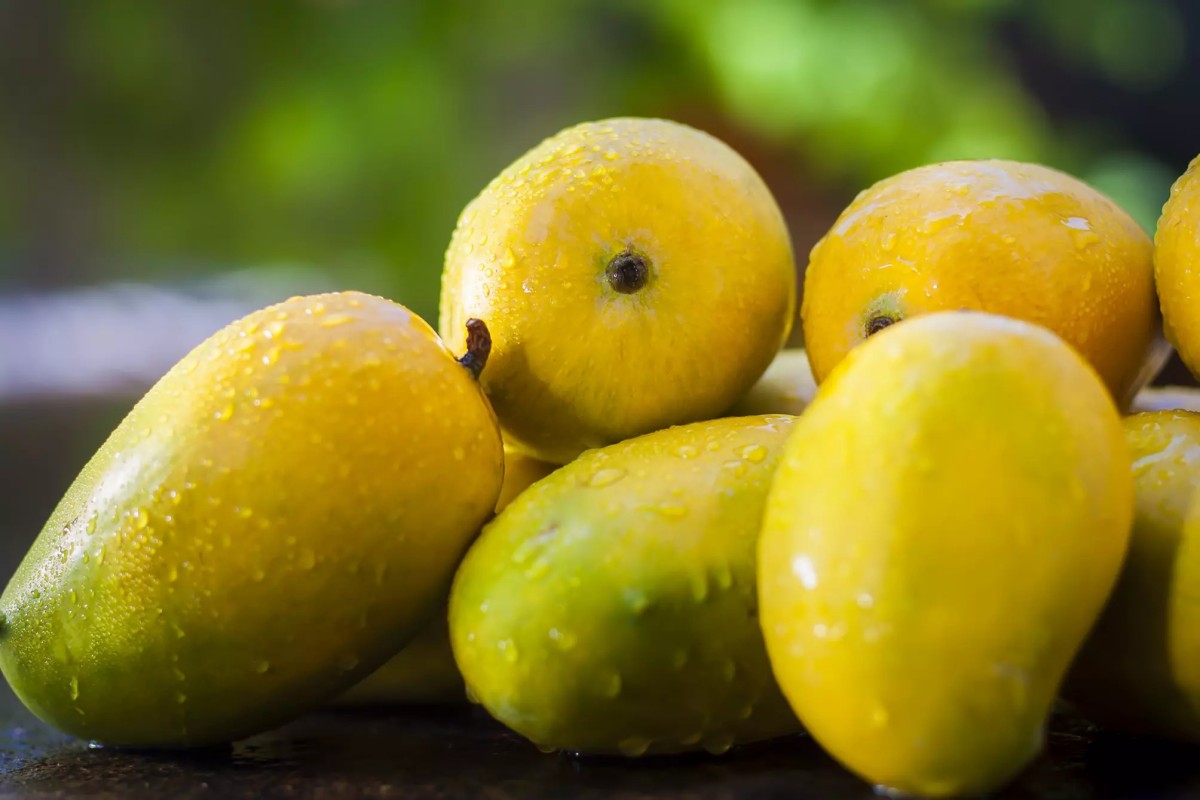
Mango Season is here!
As the summer heat approaches, it brings the best delicacy of the year. The king of the fruits, the mango. It is the most awaited fruit that comes in wide varieties from different places around the country.
It is always great to have the seasonal fruits and make the best out of them, as they come only once a year.
Mangoes come in wide varieties, and with different varieties come different sources, different types of nutrients, and various other factors.
So, let us get specific with the different varieties of mangoes.
The Kesar Mango:
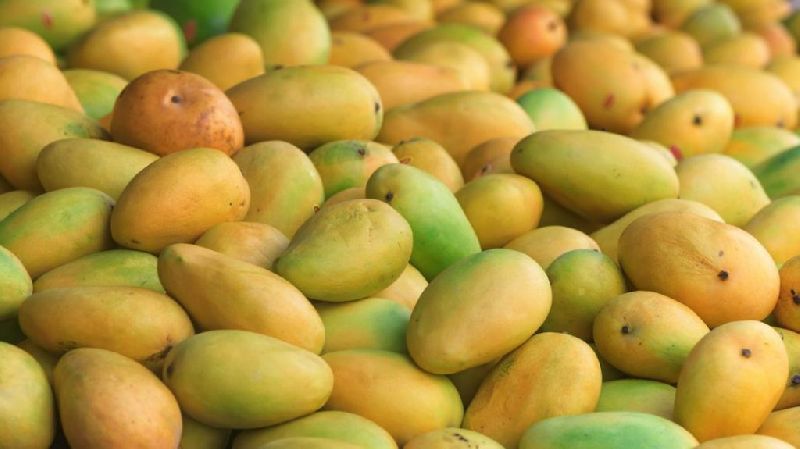 Kesar Mango is a variety of Mango that is local to the Gir region in Gujarat.
It is often referred to as the “Queen of Mangoes” because of its rich taste and aroma. The name “Kesar,” meaning Saffron, is owed to this variety because of the lush orange or saffron color of the pulp. Naturally, when these mangoes are harvested, their skin or the outer rind is green in color, but they are fully ripe. They have silky and juicy interiors, and their pith or the seed is often thinner than that of other mangoes.
Origin
It is believed that the Kesar Mango first originated in the Deccan plateaus of India. The Gir region of Gujarat is where these mangoes are harvested abundantly. A narrative that revolves around the fruit, which also gives its name, is that the Nawab of Junagadh Muhammad Mahabat Khan III recognized this variety of mango and coined it as Kesar, which meant saffron in Gujurati and Hindi, because of the saffron color.
Harvesting
Usually, Kesar Mango is cultivated around April and May. Since it is local to the Gir region of Gujarat, it is often called Gir Kesari Mango. That is why the mango is only cultivated in the certified geographical region. This means that no other region can cultivate the same variety of mangoes, which makes them some of the most expensive fruits in the world to be exported after Alphonso Mangoes. Kesar Mango is one of the most delicious fruits, no doubt.
Quick Facts About Kesar Mango
-
Also known as: Gir Kesar
-
Taste profile: Sweet, aromatic, low fiber
-
Pulp color: Deep saffron-orange
-
Availability: April to June
-
GI tag: Yes (Gir region, Gujarat)
But did you know that it has amazing health benefits as well?
Exotic summer stone fruits like Kesar Mangoes are high in nutrients that are good for our bodies.
1. Rich in Vitamin C
It is not that you thought that only citrus fruits contain rich amounts of Vitamin C. Kesar Mangoes are high in Vitamin C and help us fight diseases by boosting our immune system.
 2. It helps lower cholesterol levels
Kesar Mangoes are high in pectin. Pectin is a type of fiber that helps with lowering cholesterol levels in the blood. Normally, pectin forms a gel-like structure in our gut. This helps to slow down the cholesterol absorption from food and into the bloodstream.
3. Improves digestion and promotes gut health
These mangoes, as we already mentioned, are fibrous. Hence, they help regulate uniform digestion. Apart from that, the enzymes in these mangoes, such as amylases, also help break down complex carbohydrates into simpler sugars. Including these mangoes in your diet can help you regulate your gut.
4. It is rich in Vitamin A
Not only are Kesari Mangoes rich in Vitamin C, but they are also rich in Vitamin A. Vitamin A is also a great immunity booster, and as all of us know, it is great for eyesight.
Note: Kesar mangoes are generally good for children, athletes, and immunity support. Diabetics should consume in moderation, and people with IBS or acidity concerns should avoid excess consumption.
Here are the nutritional values of Kesar Mango per 100 grams:
Nutrients |
Amounts |
|
Calories |
60 kcal |
|
Water |
83.46 g |
|
Protein |
0.82 g |
|
Total Fat |
0.38 g |
|
Carbohydrates |
15.02 g |
|
Dietary Fiber |
1.6 g |
|
Sugars |
13.66 g |
|
Vitamin C |
36.4 mg |
|
Vitamin A |
0.9 mg |
|
Potassium |
168 mg |
|
Magnesium |
10 mg |
|
Phosphorus |
14 mg |
How to Identify Authentic Kesar Mango
-
Medium-sized fruit with round shoulders.
-
Green skin even when ripe.
-
Strong natural aroma.
-
Deep orange/saffron pulp.
-
GI-tagged packaging (for exports or premium sales).
Storage Tips
-
Store unripe mangoes at room temperature.
-
Once ripe, refrigerate and consume within 2 to 3 days.
-
Do not store mangoes in plastic bags.
-
Avoid cutting until ready to eat.
Now, every certain type of produce has its disadvantages as well
So, here are some of the concerns that you need to ensure that you keep in mind about Kesar Mangoes:
Gaining Weight by Overeating Them
As these mangoes contain carbohydrates and sugars, if you consume larger quantities of them, you can gain a lot of weight.
Do not consume if you are already suffering from digestive problems.
 Mangoes can be great for digestion, as we mentioned earlier, but they can induce issues if consumed in larger amounts. Especially raw mangoes. Avoid consuming raw mangoes if you have an upset stomach.
May cause pimples
Having too many mangoes can also increase body temperature, and that can cause problems like pimple breakouts. Therefore, if you have acne-prone skin, avoid consuming too many mangoes.
Note: Mangoes are high in carbohydrates; do not overeat them.
Final Note..
Kesar Mangoes are the ultimate superfoods, whether consumed in raw form or fully ripened. These types of mangoes are the utmost delicacy and have some of the highest benefits, similar to other types of mangoes like Alphonso. Therefore do consume seasonal fruits when they are available and make sure that you keep your health in mind as you include them in your diet.