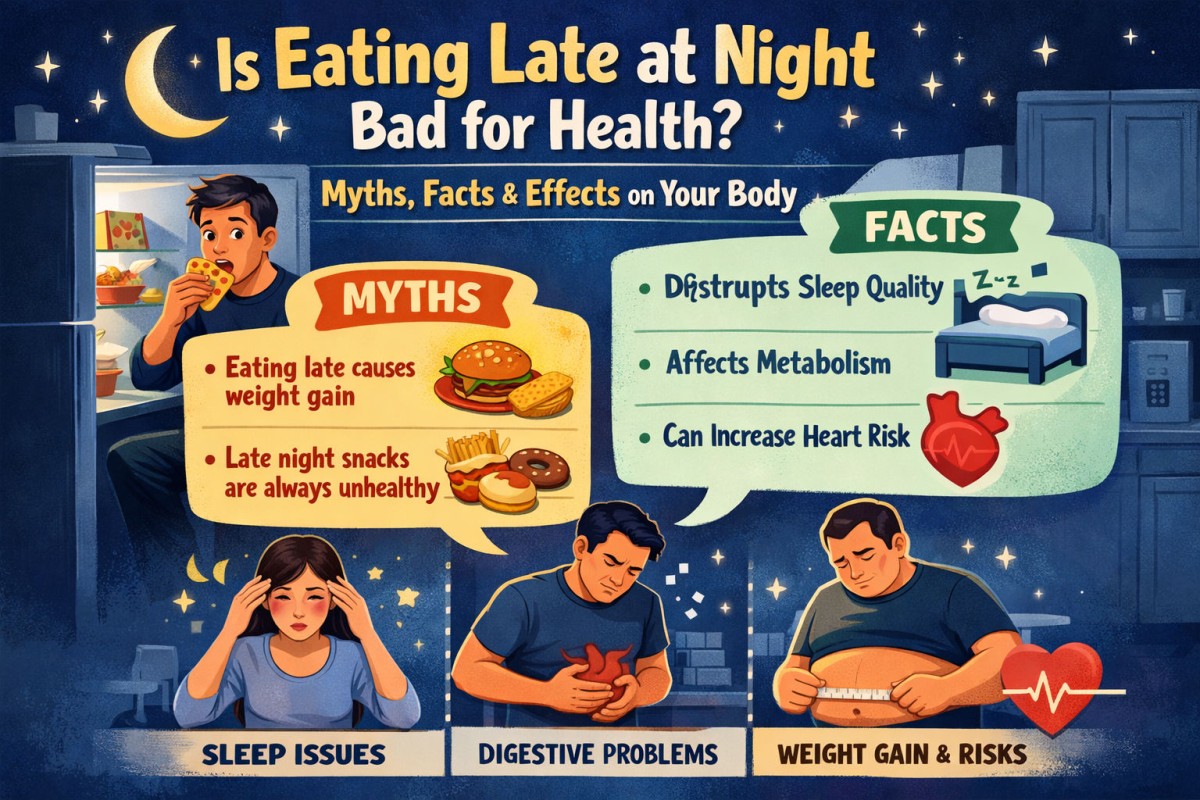
Late-night cravings have become a normal part of everyday routine that brings a major shift across generational mindsets that focused on having dinner before 7pm and retiring early for bed. Consuming large amounts of calories late at night has been associated with increased weight gain, stomach acid backflow, sleep deprivation, and digestive slowdown. The reality behind this concept is that eating at night is harmful for health and depends upon food preferences, meal portions, and lifestyle choices. It is important to differentiate myths and facts regarding satisfying hunger needs late at night being safer for health in longer periods.
Myth 1: Eating late leads to increased weight gain
Increased weight gain can happen when there is more calorie intake than the actual burning capacity of the body, as timing factors won't convert food into unhealthy fats.
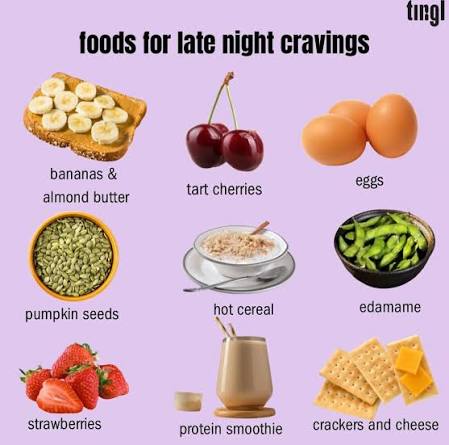
Fact: The late-night eating process contains unhealthy packed foods like chips, sweets, and fast foods that, blended with mindless eating, can lead to a calorie surplus. Choose low-calorie foods such as flavored yogurts, fruits, nuts, warm milk, and whole-grain toast with peanut butter.
Learn ways to naturally reduce belly fat and manage weight.
Myth 2: Metabolism stops functioning immediately at night
Metabolic activity continues to occur throughout every day, as it tends to burn calories even when the body is at rest.
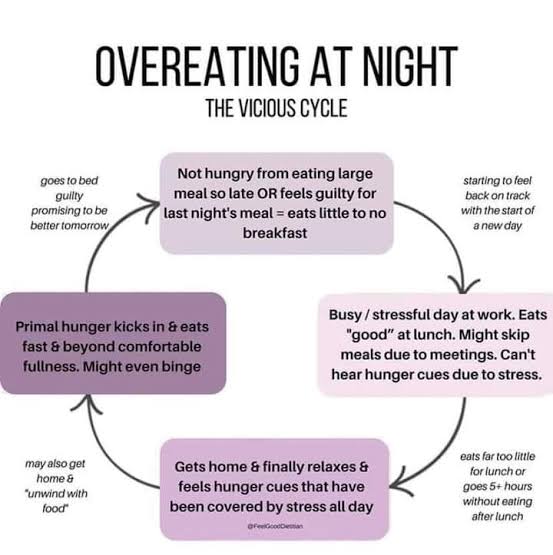
Fact: Metabolic functions slow down during nighttime, and digestion still goes on. The main issue occurs when large amounts of food are eaten right before lying down, as it leads to stomach discomfort, bloating, and heartburn as stomach acid travels quickly to the esophagus. Such late-night cravings can affect sleep quality by warming up the body, making the individual frustrated, and triggering the functioning of hunger hormones that causes increased appetite for junk food the next day. 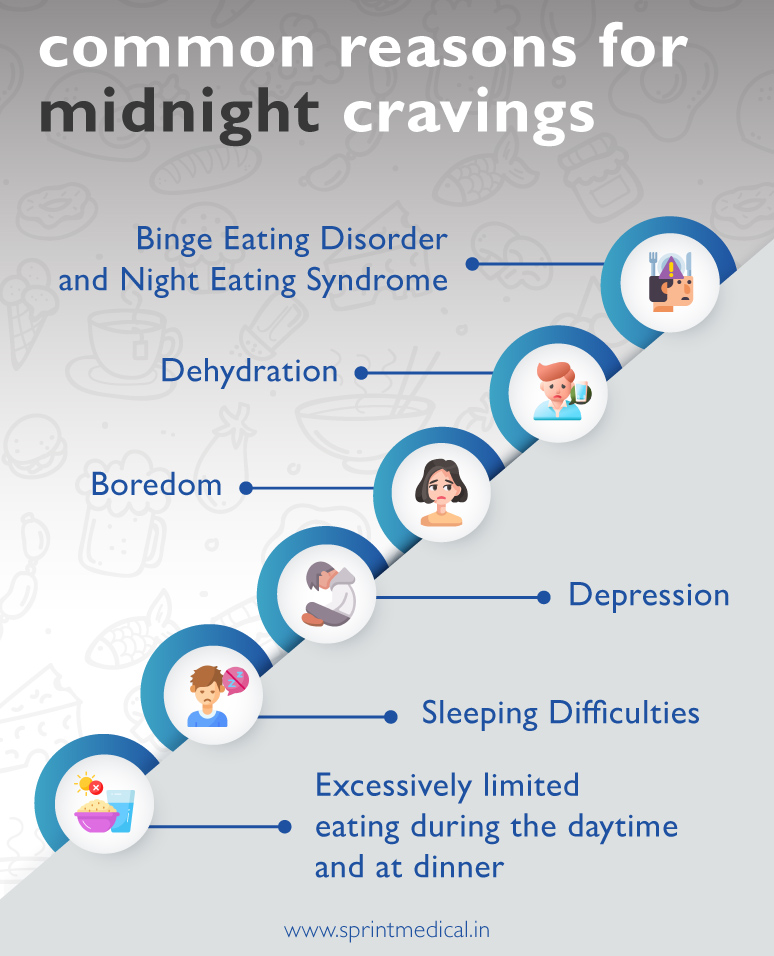
Myth 3: It is not advisable to eat after 7pm
This rule doesn’t take into consideration that people have different time schedules, and those who work late night shifts and sleep late have their bodies adapted accordingly to feel hungry later in the evening.
Fact: The main focus should be on maintaining consistency, which reveals that eating at unpredictable times can disturb the biological clock and affect digestive function. Eating late at night can have adverse consequences, as random snacking occurs due to boredom or stress, resulting in fluctuating weight and low energy levels. It can be beneficial only when there is a longer time interval between meals, regular exercise, and a light or balanced snack.
Explore high-protein foods to control late-night hunger and boost metabolism.
Conclusion
Late-night eating can affect hormone levels such as ghrelin and leptin. It is suggested to consume balanced meals, including protein and fiber in dinner meals; maintain proper hydration; cope with stressful situations; and get appropriate hours of sleep. It is also shown that the body’s insulin sensitivity tends to drop in the evening, which makes blood sugar rise significantly, and late-night eating options become less ideal for those with diabetes. The calories gained during late-night cravings might not be used by the body at that time and lead to fat storage.