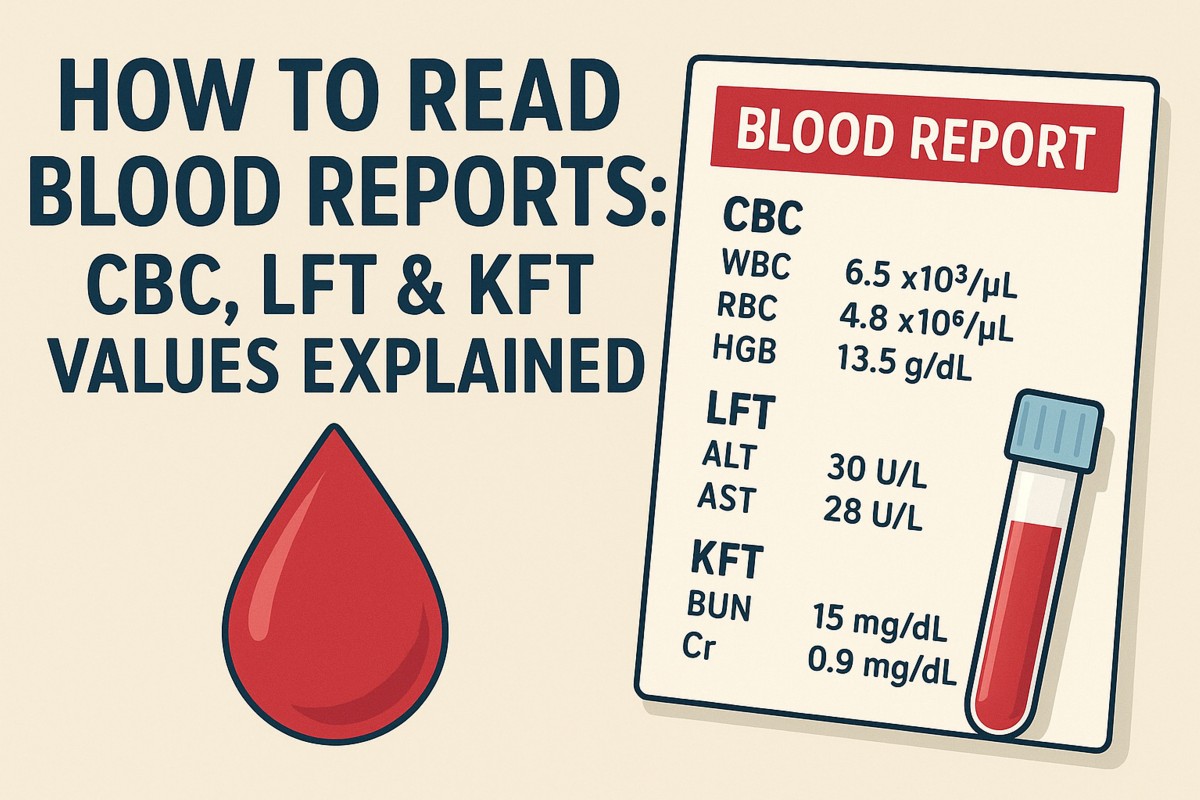
Blood tests are found to be an accurate measure of body health in terms of monitoring exhaustion, disease, liver or kidney health concerns, and periodic health assessment. Blood reports often consist of medical short forms and numerical values that professional medical experts understand to determine the presence of health conditions and can make people confused while assessing their reports based on such information. It is important to understand the significance of different parameters written on the report and how to interpret them in easily comprehensible terms.
CBC Test: What You Need to Know
1. It provides brief explanations regarding blood cells as it measures different parts of blood, such as red blood cells, white blood cells, hemoglobin, hematocrit, and platelets.
2. Hemoglobin, a protein that is found in red blood cells that distribute oxygen throughout the body. Normal ranges: 13.8–17.2 g/dL for men and 12.1–15.1 g/dL for women.
3. Lower hemoglobin represents anemia, and higher hemoglobin indicates dehydration and other conditions.
4. Red blood cell counts have normal levels, including 4.7–6.1 million cells/µL for men and 4.2–5.4 million cells/µL for women.
5. Lower red blood cell count means anemia, and higher red blood cell count occurs due to lung infection or dehydration.
6. White blood cell counts reflect immune cells, and normal ranges include 4,500–11,000 cells/µL.
7. A higher white blood cell count suggests inflammation or infection, and a lower count indicates weakened body defenses.
8. Platelets help to detect blood clotting, and the normal range includes 150,000–450,000 platelets/µL.
9. Lower platelets may result in excessive bleeding, and higher platelets may worsen clot risk. 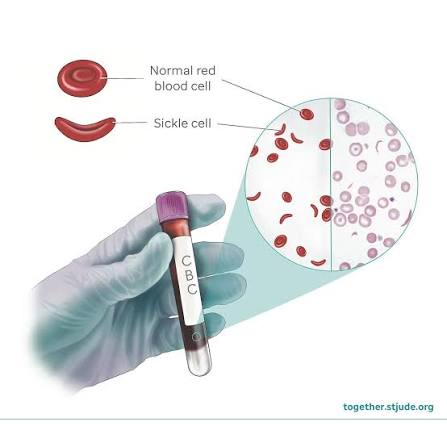
Introduction to the LFT Test
1. It examines the well-being of the liver, such as hepatitis and cirrhosis, by measuring enzymes, proteins, and substances developed or used by the liver.
2. Alanine aminotransferase suggests the possibility of liver damage cells, and the normal range includes 7–56 U/L. Heightened ALT can indicate liver impairment and localized discomfort.
3. Aspartate aminotransferase is another indicator for assessing liver function, and normal ranges include 10–40 U/L. Higher AST reflects muscle soreness.
4. Alkaline phosphatase focuses on bile ducts, and normal ranges include 44–147 U/L. Increasing ALP refers to impaired bile ducts and bone disease.
5. Bilirubin indicates red blood cell division, and the normal range is 0.1–1.2 mg/dL. Raised bilirubin reveals jaundice and signifies impaired liver function and bile duct issues.
6. Albumin is a type of protein that has been produced by the liver, and the normal range is 3.5–5.0 g/dL. Low albumin highlights nutritional deficiency. 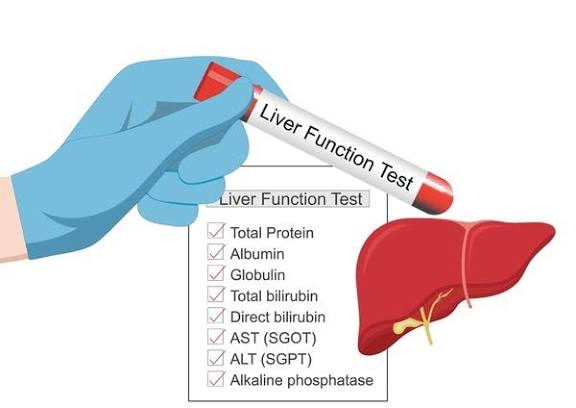
Understanding the KFT Test
1. It analyzes how kidneys function effectively to eliminate toxins from the bloodstream.
2. Blood Urea Nitrogen assesses urea in blood that indicates unwanted substances from protein processing in the body. Normal range: 7–20 mg/dL, as amplified BUN reflects absence of water retention in the body and kidney problems.
3. Serum Creatinine indicates body waste from muscle metabolism that has been removed by the kidney. Normal range including 0.6–1.2 mg/dL for men and 0.5–1.1 mg/dL. High creatinine shows poor kidney function.
4. Estimated glomerular filtration rate evaluates waste removal efficiency of the kidney, and the normal range includes >90 mL/min/1.73 m². Lower eGFR demonstrates declining kidney performance.
5. Electrolytes consist of sodium, potassium, and chloride and are considered to be balanced, as they are beneficial for the healthy functioning of the body. Normal levels include Sodium: 135–145 mEq/L, Potassium: 3.5–5.0 mEq/L, and Chloride: 96–106 mEq/L. Unbalanced levels suggest kidney problems. 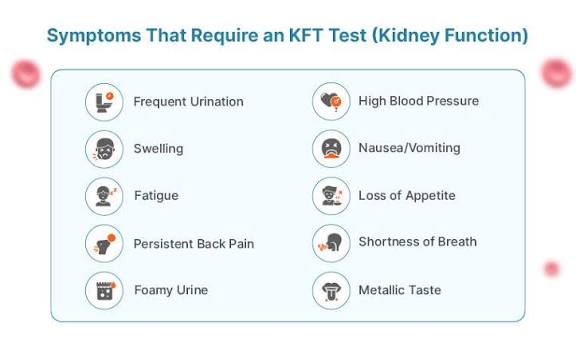
Suggestion for Understanding Blood Reports
1. It is essential to evaluate values with reference ranges provided by the lab testing.
2. Consulting a professional medical expert for better clarity, as these numerical values are associated with the individual symptoms and past medical background.
3. It is important to keep oneself calm and not take tension over minor deviations in numerical values, as they can vary widely depending upon food intake, hydration, and stress tolerance levels.
Conclusion
A complete blood count (CBC), liver function test (LFT), and kidney function test (KFT) are blood test results that provide meaningful insight regarding factors causing physical exhaustion, viral infections, bone disease, alcohol- or medicine-related liver damage, protein absorption problems, kidney infection, blood pressure levels, and diabetic effects to take preventative measures.