
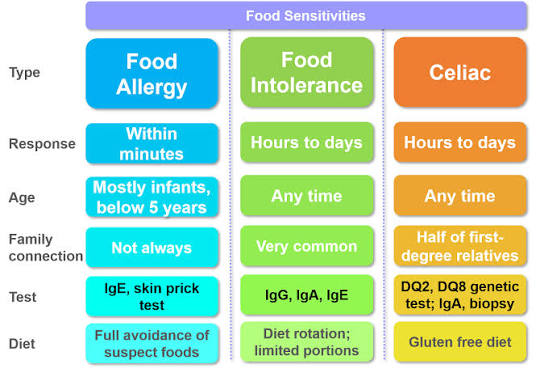
Do you also experience unusual stomach discomfort, exhaustion, and dizziness after consuming certain amounts of food? “Food sensitivity” can be a common issue that is different from regular food allergies that cause instant reactions, such as swelling, as food sensitivities can be gradually developing. It can appear at any time of the day, which makes it difficult to identify its cause. In this blog, we go through how to understand your body signals and its patterns to determine which categories of food should be avoided.
Quick self-checklist
Ask yourself these questions.
★ Do you experience abdominal discomfort after eating meals?
★ Do you feel extremely tired and have poor focus after having certain types of food?
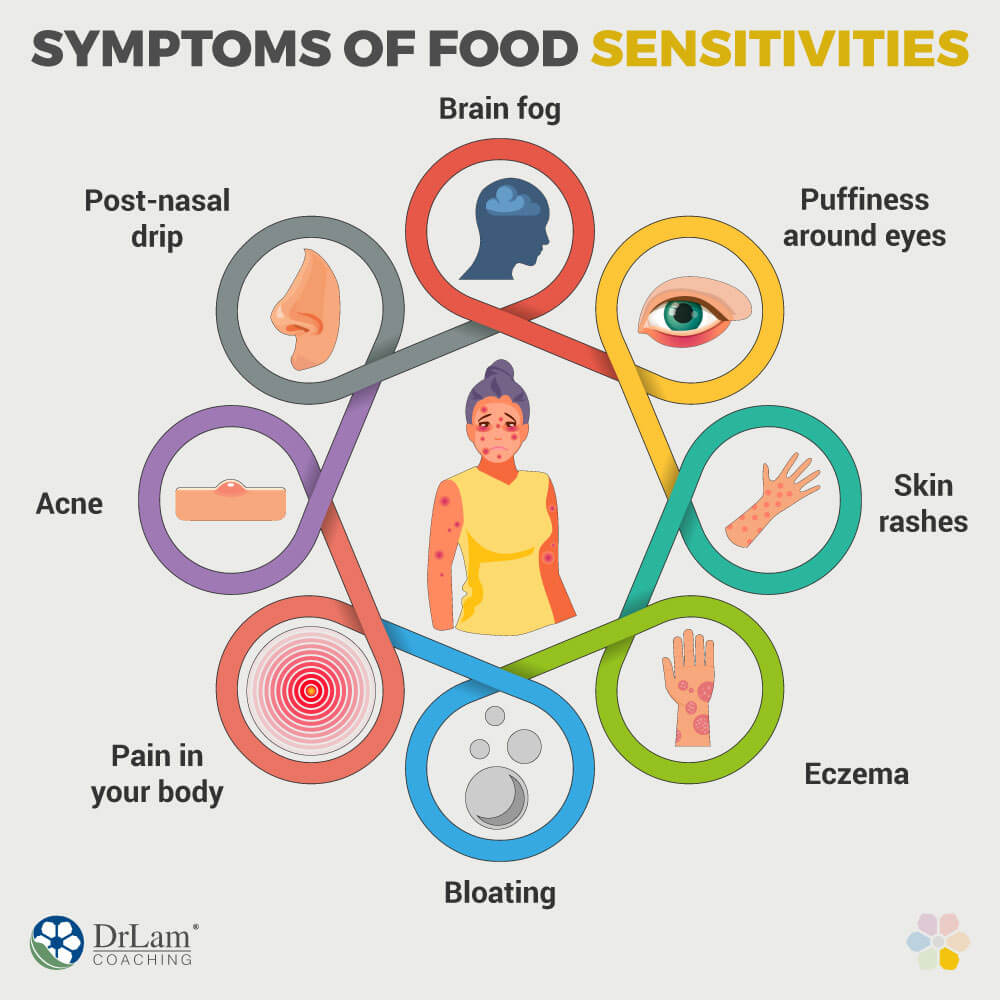
★ Do you have vulnerability to headaches, skin redness, and stomach issues without any clear causes?
★ Do certain types of food lead to mood swings or irritation?
Clearly observe if you face any of these symptoms; that helps you to notice an emerging pattern for understanding food sensitivity.
Maintaining a track of food intake
★ Roughly write what you consume throughout the day, including drinks, snacks, and a little amount of food.
★ Write any physical or emotional reaction that happens within 24 hours
★ Observe the patterns within 1-2 weeks
★ Even little observations such as fatigue or digestive issues after drinking coffee can help to make meaningful choices.
Role of Elimination Diet as Useful Approach
★ After determining avoidable food, refrain from eating it for 2-4 weeks.
★ Note down the symptoms during this period
★ Reintroduce these foods slowly into your routine
Such a way of differentiating helps to gain insight into accurate allergies and sudden discomfort based on natural reactions.
Common Triggers Behind Food Sensitivities
★ Dairy products: Lactose intolerance can lead to bloating, gas, and digestive upset.
★ Gluten that is present in wheat, barley, and rye triggers digestive problems in those with sensitive stomachs.
★ Eggs can sometimes cause skin reactions or stomach issues.
★ Soy can cause abdominal discomfort.
★ Artificial additives can result in dizziness and skin rashes.
★ Such food reactions can vary across individuals.
Some testing options
★ Blood tests can be used for checking antibodies against certain food types.
★ Breath tests can be performed for determining lactose and fructose tolerance levels.
★ Booking a consultation with a dietician and allergist.
Conclusion
Food sensitivities can occur in any individual and can subtly influence daily life. Simple changes such as chewing every bite properly to help in proper digestion, staying hydrated, and consuming fiber-made products that reduce stomach discomfort and limit intake of junk foods. Food sensitivities affect skin health, digestion, mood levels, and energy levels that can be addressed with effective observation, looking through patterns, and reintroduction at certain times.