Staying outside in this extreme weather causes uneasiness and becomes life threatening in some cases. Many of us may have heard the terms “heat wave” and “heat exhaustion” that sound similar to certain extent. However, difference exist between them that can help to become aware and take necessary precautions to prevent its harmful effects. In this blog, we are going to explore major differences between them and different ways to reduce its occurrence.
Reasons behind the occurrence of heat related illnesses
▶ Our bodies have the ability to maintain its natural state through sweating
▶ During the case of hot or humid climate in terms of increased sun exposure, body may not be able to function effectively to regulate its temperature.
▶ This body dysfunction causes heat related illness leading to heat exhaustion that is normal condition and heat stroke that require medical intervention.
An overview of heat exhaustion
▶ It happens when body release extreme amount of water and salt through sweating
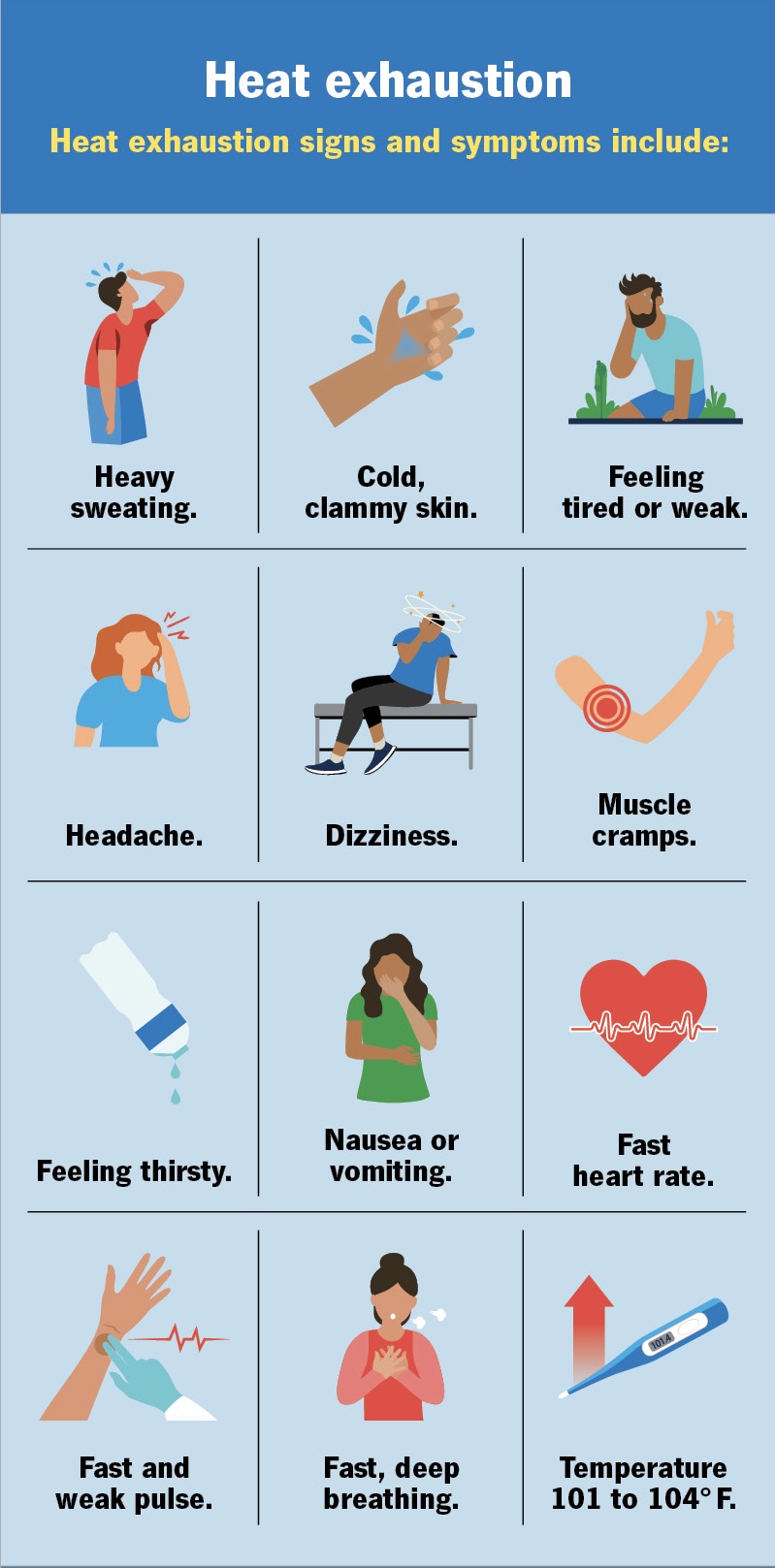
▶ Symptoms of Heat Exhaustion
➔ Constant sweating
➔ Pale skin
➔ Extreme tiredness
➔ Dizziness
➔ Headache
➔ Muscle pain
➔ Vomiting
▶ Different ways to deal with heat exhaustion
➔ Shifting towards cool or shaded areas
➔ Drinking water or electrolyte drinks
➔ Wearing loosely fitted clothes
➔ Taking plenty of rests
What is it about heat stroke?
▶ It occurs when body temperature increases rapidly and not able to lower down its temperature.
▶ Heat stroke may impact necessary organs and requires instant medical care before it become dangerous.
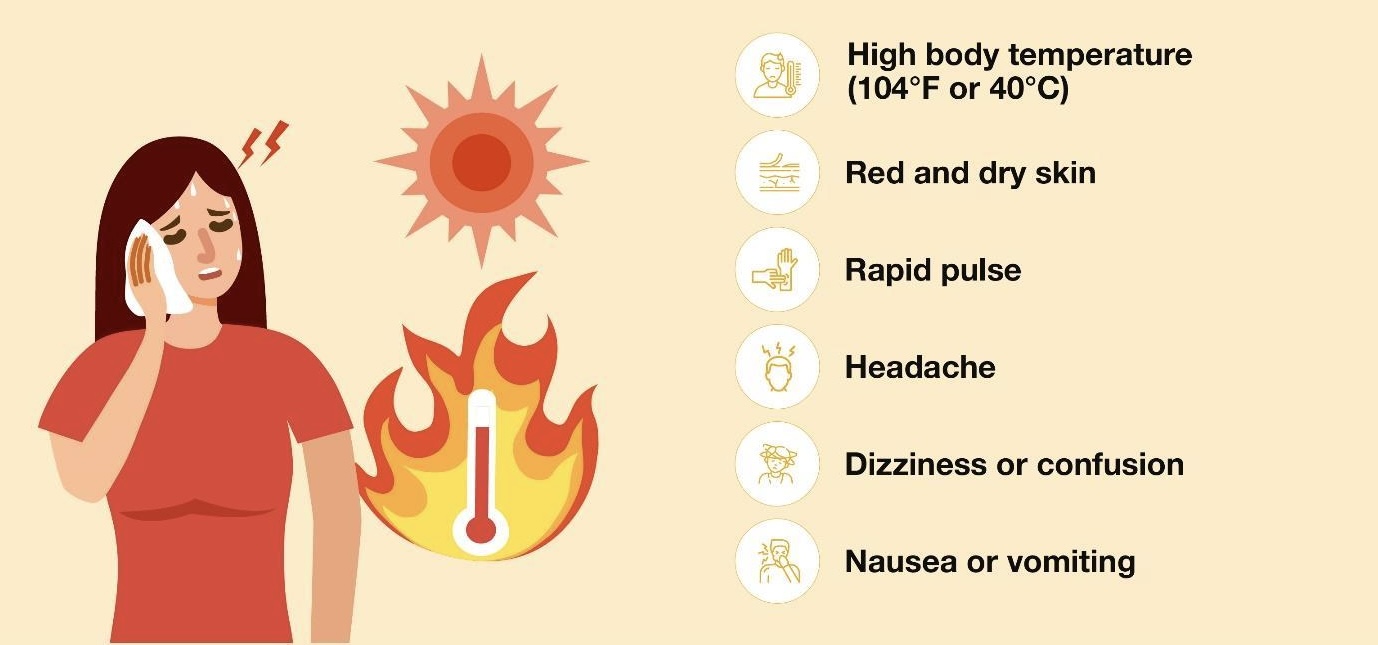
▶ Signs of heat stroke
➔ Body temperature raises above 104F
➔ Body starts to burning up with redness
➔ Impaired speech and rapid pulse rate
➔ Headache and lightheadedness
➔ Fainting and seizures in some cases
▶ Precautions to take during heat stroke
➔ Reaching out to medical emergency immediately
➔ Moving the individual to cooler area
➔ Applying cool water, ice packs and wet towels to bring temperature towards equilibrium
➔ Person shouldn’t be demanded to consume fluids if they are feeling disoriented or unconscious
Conclusion
Heat wave and heat stroke are most common health conditions related to raising temperature. Both of these conditions are likely to affect older adults, young children, field workers, sports athletes, individuals diagnosed with chronic diseases and easily dehydrated adults. Certain steps towards preventing these conditions require drinking water regularly, consuming light meals, wearing loose clothes, avoid burnout during laborious work and take shirt breaks.