Let’s start our blog with a simple question.
“Are modern-age couples having a preference for few children, or have they been facing complications in conceiving?"
The answer lies in a combination of factors such as lifestyle changes, biological clock, and coping strategies in the form of new habits such as “DINK” = Double Income No kids. Having kids in today’s world revolves more about one’s lifestyle, work commitments, and future planning. Let's understand this changing phenomenon in a clear and detailed way.
A Reality Checklist
Think about changes happening in your surroundings.
➜ People are preferring to marry later
➜ Career growth is given more importance.
➜ Financial independence is valued more than family planning
Ask yourself: Is postponing parenthood a choice or an essential requirement?
For many couples, it can be either of the options, as delaying plays a major role in fertility.
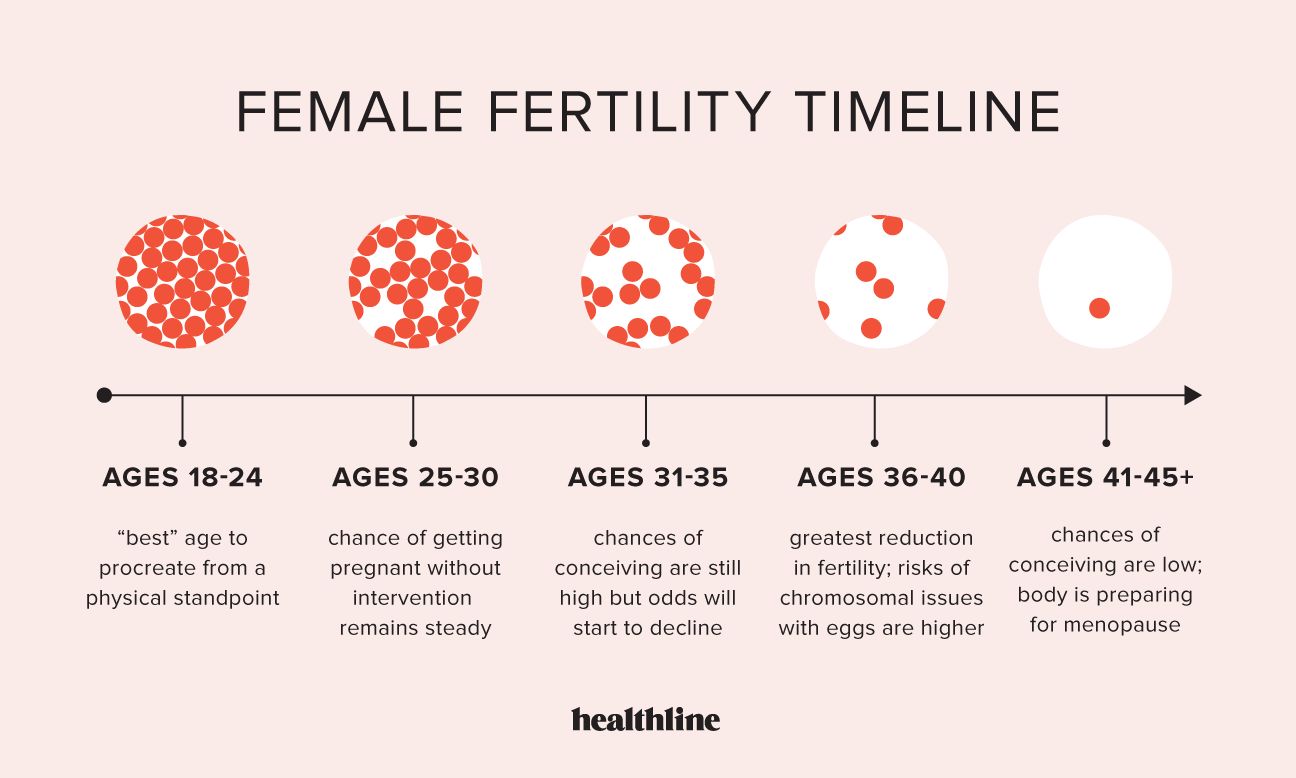
Role of Biological Clock in Parenthood
➜ For women, chances of having a healthy pregnancy decrease with age, especially after the early 30s.
➜ It can be due to reduced production of eggs and its quality.
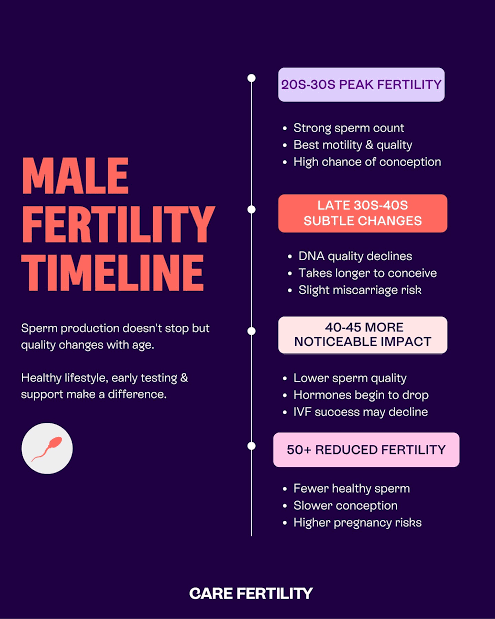
➜ For men, fertility declines gradually, and factors such as stress, lifestyle changes, and health can affect sperm quality.
➜ Fertility window gets more restricted over time
Lifestyle changes matter more in healthy fertilization
➜ Hectic working schedule
➜ Poor sleep quality
➜ Increasing stress levels
➜ Unhealthy eating habits
➜ Less physical activity
➜ For example, long-term stress impacts hormonal functioning, and nutritional deficiency affects whole-body function.
➜ If any of these habits continue to be followed over a longer period, they can affect fertility rates.
Impact of Stress on Fertility Process
➜ A body constantly experiencing symptoms of stress tends to focus more on survival than putting energy towards reproduction.
➜ Hormonal changes can occur that impact the functioning of reproductive systems such as ovulation and sperm production
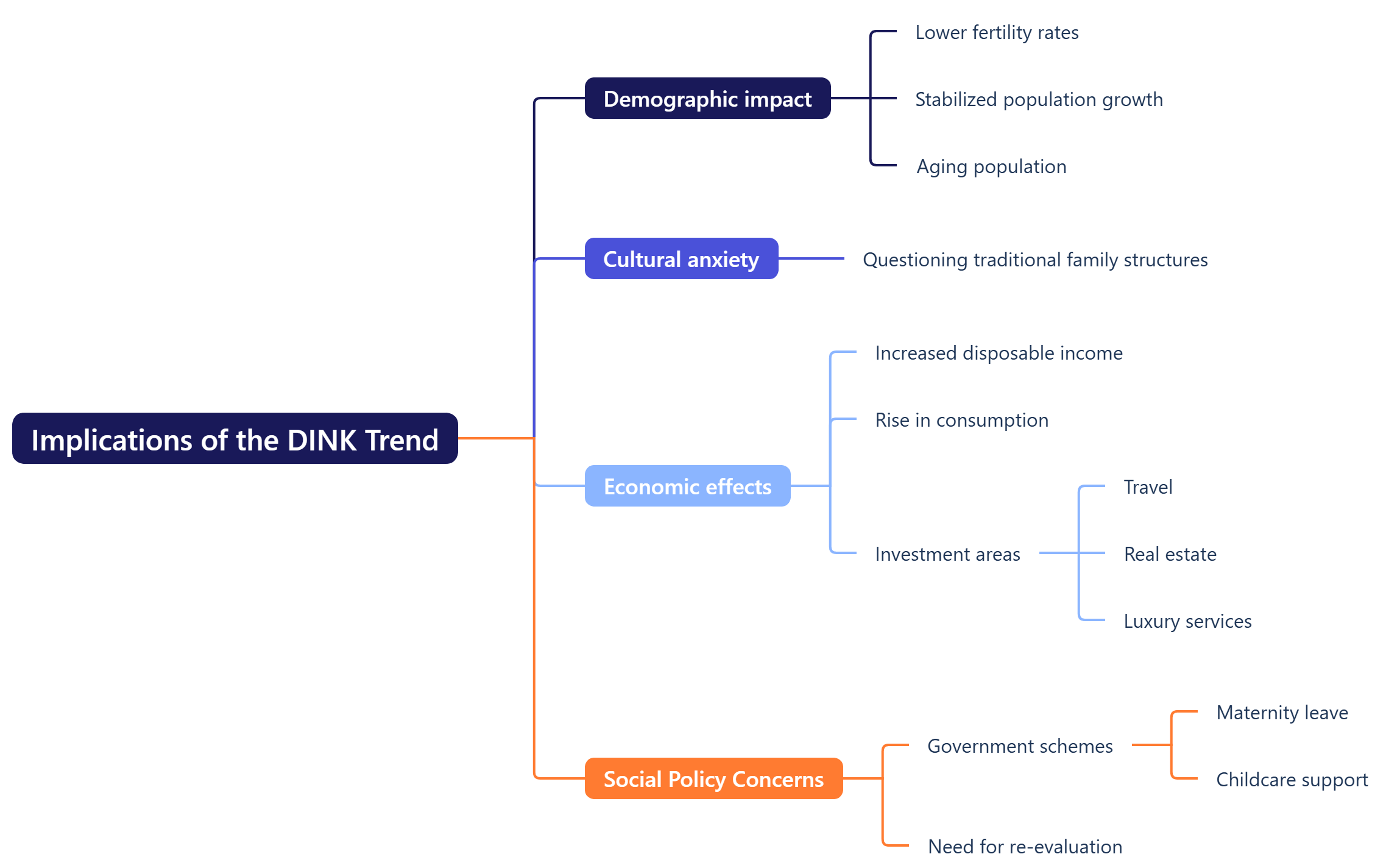
Emergence of the DINK lifestyle
➜ Benefits of this lifestyle: Financially stable, career growth, flexible daily routine, and fewer responsibilities.
➜ There is nothing wrong with adopting such a habit, but one needs to have a clear understanding that postponing decisions may not go well with the biological clock.
Conclusion
Fertility or the decision to have children mostly depends upon the couple's choice and other secondary factors. The key is to become aware of body signals, like hormonal changes; constant stress or lifestyle changes can impact the planning to have children in the future. Technology advancements and treatments can provide effective solutions and may sometimes not provide exact results.