Do you know that using a face cream is not enough to keep your skin healthy and glowing?
If not, you're lagging behind today's readily emerging skincare world!
Yes, you've heard that right. You've been misled by the ancestral skincare routines that used to believe that only face cream is enough to maintain healthy skin.
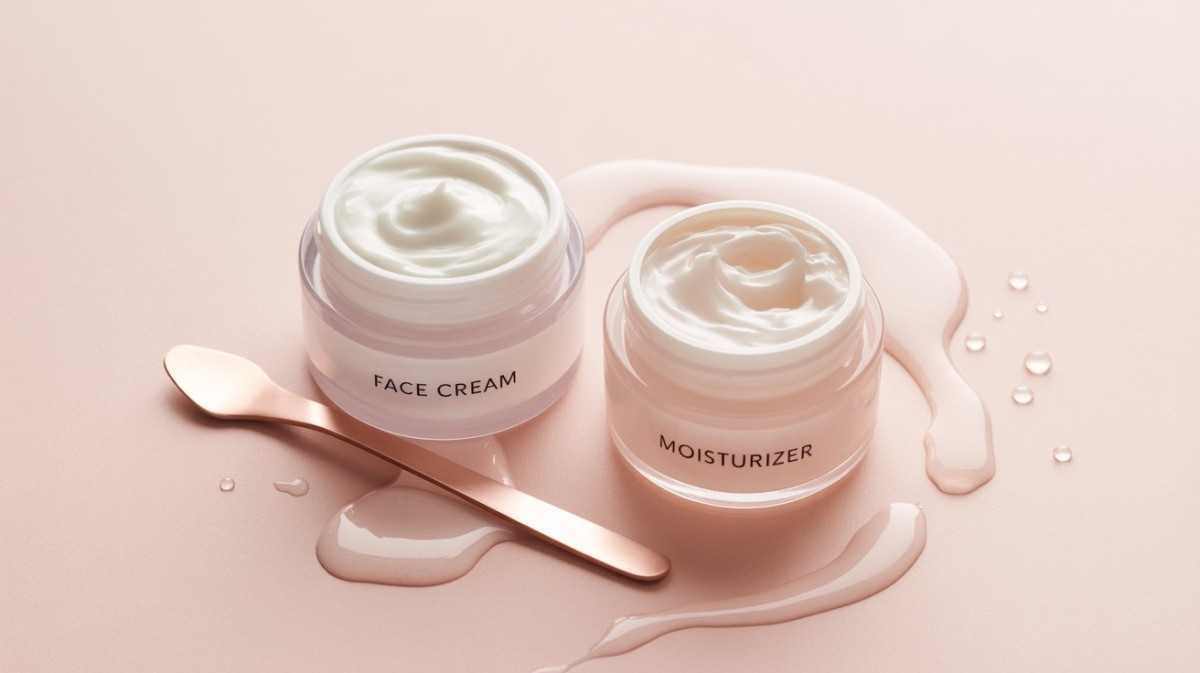
When you enter the skincare aisle, you’re greeted with a sea of products such as serums, toners, gels, oils, moisturizers, and creams. We know that it's quite tough for you to choose. Among them, two of the most commonly confused products are face creams and moisturizers. If you are right now wondering if you should use a cream or a moisturizer, this blog will help you understand the differences so you can choose what suits your skin best.
What is a Moisturizer?
 Firstly, let's begin with the basics: what actually is a moisturizer? A moisturizer is a broad category of skincare product that is designed to hydrate the skin and prevent moisture loss. They come in different forms, such as lotions, gels, emulsions, water-based creams, and their main job is simple: keep your skin’s moisture barrier healthy.
Most of the moisturizers in the market usually contain humectants such as hyaluronic acid and glycerin that draw water into the skin. Emollients that soften your skin. Light occlusives that prevent water from evaporating. Furthermore, most moisturizers have a lightweight, quick-absorbing texture, which makes them ideal for daily use and suitable for all skin types.
What Is a Face Cream?
A face cream is essentially a richer, thicker, more concentrated type of moisturizer that is formulated specifically for the delicate needs of facial skin.
Face creams generally consist of higher oil content, nourishing butters, and barrier-protecting occlusives. It also possesses targeted active ingredients like peptides, retinol, ceramides, or antioxidants.
Due to their thicker texture, face creams offer deep nourishment, making them ideal for: Dry skin, Mature skin, Night-time routines, Winter or dry climates.
Moisturizer Vs Face Cream
Feature |
Moisturizer |
Face Cream |
| Texture | Light, gel-like, fast-absorbing | Thick, rich, dense |
| Main Purpose | Basic hydration & barrier support | Deep nourishment & repair |
| Best For | Oily, normal, combination skin | Dry, dehydrated, ageing skin |
| Ingredients | More water-based | More oil-based |
| Usage | Day & night | Mostly night or dry weather |
| Feel on Skin | Non-greasy, breathable | Cushiony, protective |
Can You Use Both?
Absolutely, you can use them currently; many people are layering them, especially during winter or if their skin is dehydrated.
How to Layer Properly:
1. Apply moisturizer first on clean skin since it adds hydration.
2. Then apply a face cream that locks in moisture + repairs.
3. If this is followed during the morning, always finish with sunscreen.
4. This method helps dry skin, damaged skin barriers, post-acne healing, and cold weather.
Face Cream vs Moisturizer: Which Is Better?
 There’s no single “best” choice that wholly relies on what’s best for you.
Choose a moisturizer if… You want lightweight hydration, having oily or acne-prone skin, a humid climate, and last but not least, you need a comfortable daytime formula.
Choose a face cream if you have dry, flaky, or mature skin, you want intense hydration, you’re building an anti-ageing routine, and you live in cold or dry weather.
Read more on: Skincare.
The bottom line:
Both face creams and moisturizers have their own strengths. So from now on, instead of thinking “Which one is better?”, think about: What your skin needs, what climate you’re in, and your preferences for textures. When you start choosing after careful consideration, your skincare can become a powerful tool in achieving glowing, healthy, and nourished skin.