What is “endovascular stroke treatment”?
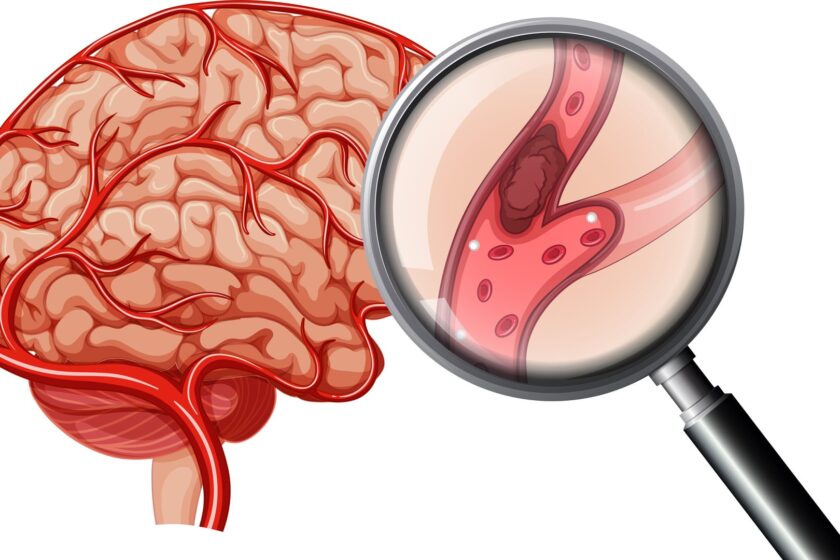
Endovascular stroke treatment, often referred to as mechanical thrombectomy or endovascular thrombectomy (EVT), is a minimally invasive procedure used to treat large-vessel occlusion (LVO) ischemic strokes. The treatment is carried out via a catheter inserted into an artery, which is commonly at the groin or sometimes the arm. An interventional radiologist or neuro-interventionist, such as T. Seetam Kumar - Best Neuro and Vascular Intervention Specialist in Bhubaneswar, threads the micro-catheter up to the blocked brain artery which is blocked.
Once the catheter reaches the site of the clot, devices (like stent-retrievers) or suction mechanisms remove or break up the clot, restoring blood flow. In certain cases, along with mechanical removal, intra-arterial thrombolytic drugs are used. The technique complements or, in some cases, supersedes intravenous thrombolysis (tPA), especially when large arteries in the brain are blocked.
Why does it matter? The science behind improved outcomes
 According to an article published by the National Institute of Health meta-analysis of randomized controlled trials (2,423 patients), endovascular thrombectomy was associated with significantly better functional outcomes (mRS score 0-2) when compared to standard medical care alone.
For example, 44.6% of patients treated with thrombectomy achieved functional independence versus 31.8% in controls. On the other hand, recent registry data show that over time, centres have achieved higher rates of successful reperfusion and better outcomes as workflows, devices, and experience improve.
The time factor: “Time is brain”
The sooner blood flow is restored, the better the brain tissue salvage and outcome. Delays reduce the chance of a good recovery.
While intravenous tPA is typically recommended within 4.5 hours of symptom onset, endovascular therapy in many centres is now considered up to 24 hours in selected patients, based on imaging and clinical criteria.
In India and especially in cities like Bhubaneswar, this means rapid recognition, fast transport to a capable stroke/intervention centre, and efficient in-hospital workflow are all crucial.
What patients and families in Bhubaneswar should specifically check
When exploring endovascular stroke care in Bhubaneswar (or nearby regions), consider the following checklist:
Get expert care from Dr. Seetam Kumar, Bhubaneswar’s leading Neuro and Vascular Intervention Specialist for advanced endovascular stroke treatment.
Risks & limitations to be aware of
 Not all stroke patients are eligible (e.g., small-vessel strokes, hemorrhagic strokes). The procedure carries risks such as vessel damage, bleeding, and reperfusion injury. Meta-analyses show no significant increase in symptomatic intracranial hemorrhage, but the risk is non-zero.
Therefore, success depends heavily on time to treatment, anatomy of occlusion, and quality of the centre. Some patients, even after thrombectomy, may have poor outcomes because too much brain damage has occurred. Infrastructure in regional settings may lag; transfers and delays can reduce benefit.
Questions to ask your treating team
If you or a family member is being considered for endovascular stroke treatment, here are some good questions to ask:
 ➤ Is this hospital equipped for mechanical thrombectomy for stroke (neuro-intervention suite, specialists)?
➤ Do you provide 24/7 service for stroke thrombectomy?
➤ What is your centre’s rate of successful reperfusion (TICI 2b/3) and favourable outcomes (mRS 0-2 at 90 days)?
➤ What are the risks specific to this procedure in my case?
➤ What post-procedure care, rehabilitation, and follow-up will be available?
➤ What are the costs (procedure, ICU stay, device costs) and insurance coverage?
Practical advice for patients/families in Bhubaneswar
➤ Recognise stroke symptoms early: Use the “FAST” mnemonic (Face droop, Arm weakness, Speech difficulty, Time to call emergency)?
➤ Transport directly to a hospital with stroke-thrombectomy capability, such as T. Seetam Kumar - Best Neuro and Vascular Intervention Specialist in Bhubaneswar, if possible. Local EMS may know designated “thrombectomy-capable centres”.
➤ If you’re in a peripheral hospital, ask about urgent transfer (“drip-and-ship” model) to a higher-level centre. Time matters.
➤ Prepare early: Have medical history (e.g., antiplatelets/anticoagulants, previous strokes) ready; keep consent forms accessible.
➤ Post-treatment, engage actively in rehabilitation (physio, speech therapy, occupational therapy) and risk-factor control (hypertension, diabetes, cholesterol, atrial fibrillation) to prevent recurrence.
➤ Discuss costs and insurance ahead of time; endovascular therapy may involve device costs and specialist care.
Summary
Endovascular thrombectomy (EVT) represents a major advance in stroke care, particularly for large-vessel occlusion ischemic strokes. The evidence supports better functional outcomes when compared to medical therapy alone. For patients in Bhubaneswar and nearby areas, achieving the benefit of this treatment depends heavily on rapid recognition, access to a capable centre, expert intervention, and strong post-care support.