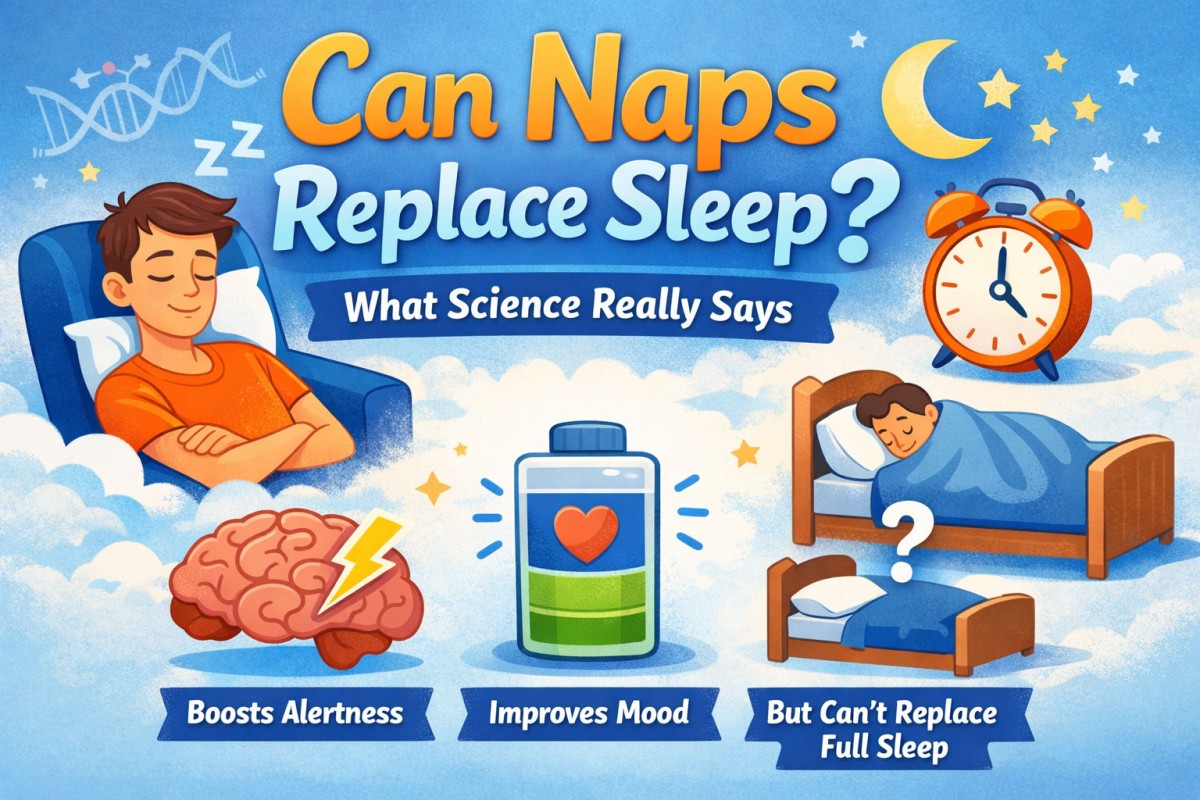
When we get busy with our schedules, our sleep gets compromised as we tell ourselves that by taking power naps of small duration between work, we will feel refreshed and energized to maintain our productivity and overall health. But the question arises: can such naps act as a substitute for proper sleep, or are we just running away from the problem?. We will explore this idea in greater depth without using any complex scientific information and understand what a body truly needs for improving its well-being.
Sleep vs. Rest: What’s Your Body Actually Asking For?
Sleep is all about when your body performs different functions, such as
➜ Aids muscle recovery
➜ Optimizes hormone levels
➜ Supports brain detoxification
➜ Sharpens memory
➜ Improves immune response
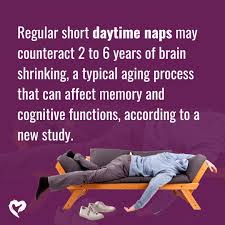
A nap provides you rest for a temporary period and won't let you experience all the main deep sleep stages that the body requires for complete healing. While power naps may feel restorative, they don't perform the same function as a full night's sleep.
Are Naps Enough—or Is Sleep Non-Negotiable?
Quick answer: Not Completely
A nap can promote mental clarity and positivity; it does not
➜ Bring back full cognitive capacity
➜ Regulate hormones
➜ Maintain heart wellness over time
➜ Support deep tissue recovery
It is best to think of naps as your phone left with 20% battery that can be useful but can't carry out everyday tasks properly.
Quick Quiz: Are Your Naps Replacing Real Sleep?
Give your honest answers to the questions.
➜ Do you sleep less than 6 hours frequently?
➜ Are you dependent on taking naps for daily functioning?
➜ Do you feel exhausted after taking a nap?
If your answer is “yes” to two of the questions, then your body isn’t relaxing and is just coping.
What Research Really Reveals About Naps
➜ Studies indicated that 20-30 minute naps can elevate mood and energy.
➜ Longer duration of naps can result in drowsiness over time.
➜ Regular naps can affect sleep quality at night.
When Do Naps Actually Work in Your Favor?
➜ You have been suffering from some infections and recovering from them.
➜ Your work schedule switches to night shift.
➜ You need an instant clarity boost.
In such cases, naps can be beneficial to support peak performance and reduce burnout until nighttime sleep is maintained.
When Do Naps Start Doing More Harm Than Good?
➜ Naps have been taken for over 60-90 minutes on a daily basis.
➜ Naps stretch your bedtime routine.
➜ You experience tiredness after waking.
➜ Sleep inertia: your body has been dragged out of the deep sleep stages very early.
Sleep Debt: What You Owe Your Body
➜ Every time you sacrifice one hour of sleep, it has been added to “sleep debt” that can be reduced further by naps and impacts steady restful sleep at night.
➜ Long-term sleep debt also causes:
★ Weight fluctuations
★ Decreased immune defenses
★ Reduced attention span
★ Mood disorders
★ Cardiovascular diseases
How to Nap Right: The Perfect Formula?
➜ Keep naps for about 20-30 minutes.
➜ The ideal time should be between 1pm and 4pm.
➜ Environmental conditions should be quiet and dark with proper ventilation.
➜ Skip consuming caffeine before taking a nap.
Conclusion 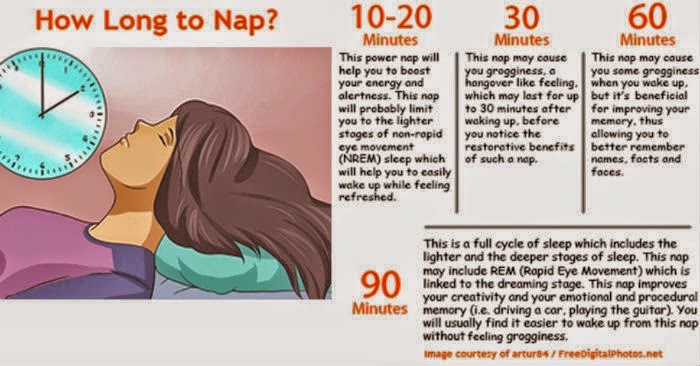
Naps and proper nighttime sleep are like a bank account in which you deposit all-day energy into an “energy bank” that results in waking up fully financially supported and full of energy. A nap is like a small deposit that can't act as a substitute for a full night's savings. Continuous sleep without breaks can help us to operate, recover, and reach full potential. Now next time you think of having a power nap, try replacing it with getting high-quality full nighttime sleep.