
Many people across the globe struggle getting refreshed quality of sleep, as they experience problem falling asleep based on their body clock or waking up according to the appropriate time to carry out tasks of their daily routine. Such ongoing sleep irregularities can affect physical posture, emotional well-being, and logical functioning. The discovery of advanced medications can provide plenty of remedies, such as scientifically proven sleep management techniques, pharma products, and cognitive behavioral therapy. Ayurveda, which is still known as the indigenous Indian healing system of integrative medicine, can play a significant role in offering ancient wisdom for those dealing with a variety of sleep disturbance conditions.
Ayurveda & Sleep: A Holistic Perspective
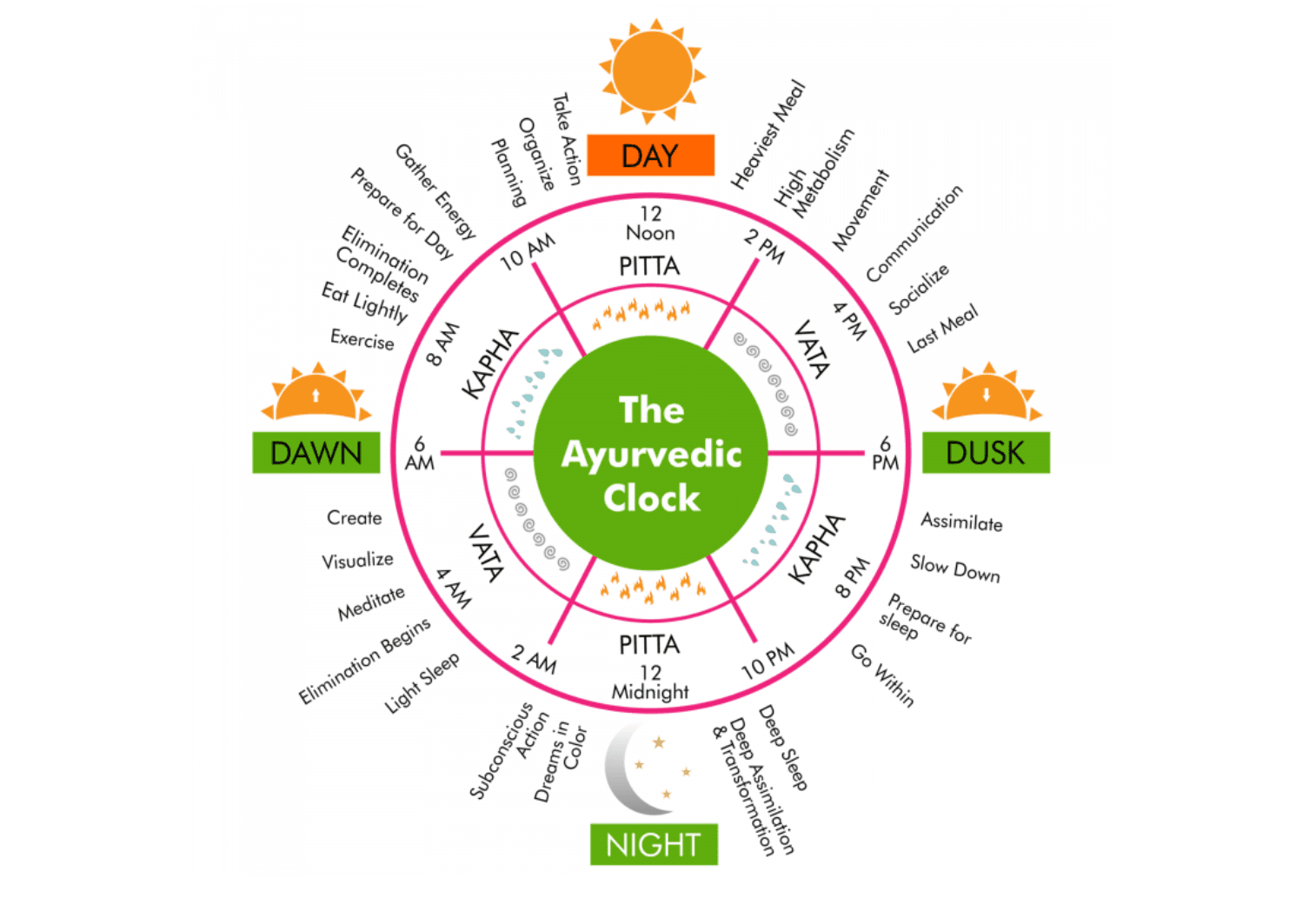
In Ayurveda, sleep, which is also called "Nidra" in ancient Indian system terminology, is seen as the state of mind in which life force, or "Prana," detaches from outside sensory perception and keeps focusing on mental rejuvenation. Restful sleep is considered to help replenish "Ojas" (vital energy) and sustain balance between body, mind, and inner harmony.
Imbalanced sleep is taken as a sign of inability to reduce disruption among various doshas, particularly Vata, which triggers body movements and controls nerve activity, and Pitta, which regulates digestive function.
➜ Vata instabilities can be displayed as trouble falling asleep, continuously overthinking, constantly waking up between sleep hours, and experiencing unsettled sleep.
➜ Pitta instabilities become more pronounced as waking up too early, sudden warmth episodes, racing thoughts, and remembering highly detailed dreams.
➜ Kapha Dosha instabilities can make a person sleep deeply for longer periods and may become lethargic after being fully awakened.
➜ Such an ayurvedic-based assessment approach can help to choose appropriate treatment based on herbal supplements to correct the existing imbalance among doshas.
Foundational Lifestyle (Dinacharya) for Better Sleep
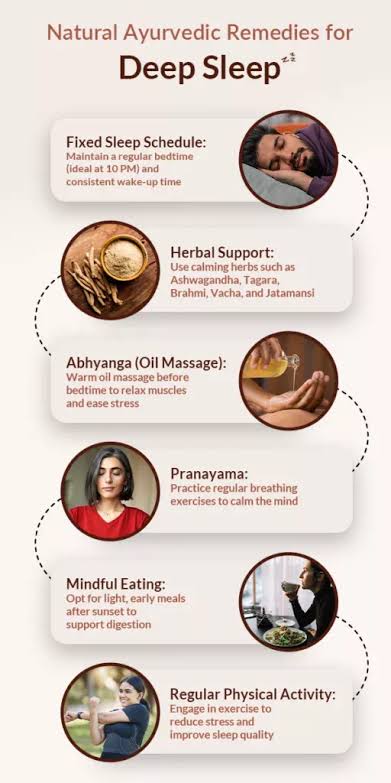
➜ Abhyanga revolves around taking warm coconut or sesame oil products and gently rubbing them across feet, scalp, and limbs to make vata dosha stable and pacify the overwhelmed nervous system.
➜ Practicing a wind-down ritual that focuses on removing digital screens, flashy lights, heavy meals, and thought-provoking talk before 60 to 90 minutes of bedtime and encouraging reading light material, drinking herbal tea, engaging in warm foot massage, and using natural herbal oils for calming down tense muscles.
➜ Developing a healthy sleep schedule that requires falling asleep and waking up daily almost around the similar time frame.
Ayurvedic Herbs for Sleep: Tagar & Jatamansi (and Others)
➜ Tagar, also known as Valeriana wallichi and Valeriana jatamansi, is an herbal relaxant that can restore imbalanced energy in the nervous system that makes a person settle down into their sleep pattern smoothly.
➜ Ayurvedic experts recommend using Tagar in personalized doses in combination with powdered or formula compositions that blend well with anxiolytic herbs to protect against dehydrating effects.
➜ Jatamansi is valued in Ayurveda for its grounding and soothing qualities that may help promote relaxation and mental calmness.
➜ Valeriana jatamansi can be found to treat various health issues such as insomnia, anxious mood, restlessness, and even epilepsy.
Conclusion
Sleep disturbances are increasingly common and can negatively impact physical, mental, and emotional health. While modern treatments offer effective solutions, Ayurveda provides a holistic and natural approach to improving sleep. By understanding the role of doshas—Vata, Pitta, and Kapha—Ayurveda identifies the root causes of imbalance affecting sleep patterns. Practices like maintaining a consistent routine, adopting calming nighttime rituals, and using herbal remedies such as Tagar and Jatamansi support relaxation and restoration. Ultimately, Ayurveda emphasizes balance, mindful living, and natural healing to promote deep, restorative sleep and overall well-being, making it a valuable complementary approach to managing sleep-related concerns.