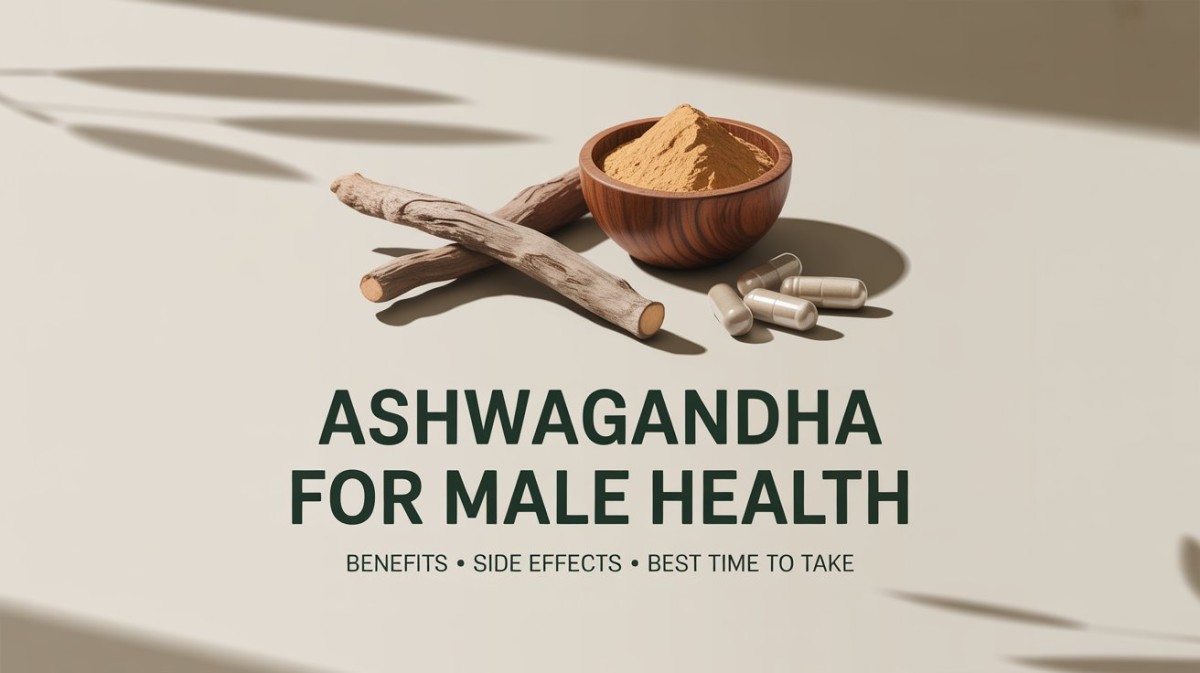
“Ashwagandha is the strength of a horse, given to restore vitality and youth.”
-- Ayurveda
This is what Ayurveda says about Ashwagandha!
What do you think?
Does Ayurveda have greater potential in modern healthcare?
The answer is Yes! But with some scientific evidence. This Ashwagandha (Withania somnifera) has been treasured for centuries not only as a herb, but as a very prominent tonic for vigor, resilience, and wellness. This is the one that has been practiced in India for more than 6,000 years. This article will help you understand all about Ashwagandha, its benefits for male along with the concerns to look out for.
What Ashwagandha Is (Scientifically)
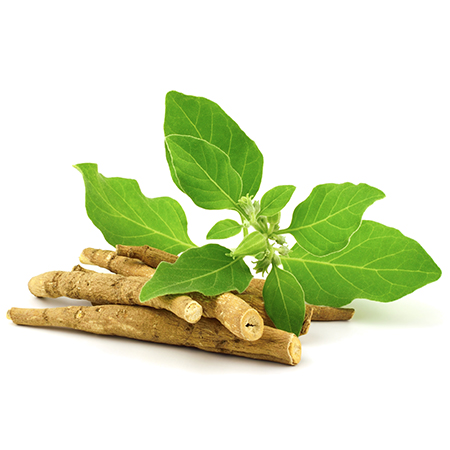 Ashwagandha is one of the most popular shrubs that is native to East Asia and North Africa. The roots and extracts, especially those standardised for compounds called withanolides, are most commonly used in supplements. Besides, these bioactive compounds are believed to influence biochemical pathways that are associated with stress, inflammation, hormones, and cellular signaling.
Today, Ashwagandha is widely classified as an adaptogen, which is a substance that may help the body adapt to stressors and promote general balance.
Ashwagandha Benefits for Men
While Ashwagandha (Withania somnifera) has gained global attention by representing several benefits, such as stress reduction, reduces risk of chronic diseases, having anti-cancer properties, and helping control blood sugar. Currently, this is being explored far beyond this for male health, i.e., male vitality, mental health, and physical performance.
1. Supports Healthy Testosterone Levels
Testosterone plays a very pivotal role in male health, influencing libido, muscle mass, bone density, energy levels, and sperm production. Several clinical studies suggest that ashwagandha supplementation may help increase testosterone levels, particularly for men who are experiencing stress, aging-related hormonal decline, or fertility challenges.
You might be wondering how it's possible? But it is! Ashwagandha reduces cortisol (the stress hormone) and may indirectly support testosterone production, as chronic stress is known to suppress male reproductive hormones.
2. Enhances Sex Drive and Male Vitality
 The second factor is that Ashwagandha may help improve libido and sexual well-being by addressing both physical and psychological contributors to low sex drive. Reduced stress, improved mood, better sleep quality, and hormonal balance together create conditions that support healthy sexual desire and performance.
While there is no clear evidence supporting its use as a direct treatment for erectile dysfunction, stress reduction and improved energy levels may positively influence sexual confidence and satisfaction in some men.
3. Improves Fertility and Sperm Quality
Research indicates that ashwagandha may support male fertility by improving sperm count, sperm motility, and semen volume. Also, these benefits appear most pronounced in men who have fertility issues linked to oxidative stress or hormonal imbalance. The caution is that ashwagandha is not a guaranteed fertility solution; it may improve reproductive parameters that support conception.
4. Boosts Muscle Strength and Physical Performance
Ashwagandha has been studied for its potential to enhance strength, muscle growth, and exercise performance, especially when it is well combined with resistance training.
A few studies observed that men taking ashwagandha experienced:
Greater gains in muscle size, Improved strength in weightlifting exercises, and even enhanced endurance and oxygen utilization (VO₂ max). So, these effects may be linked to testosterone support, reduced muscle damage, and improved recovery.
5. Reduces Stress, Anxiety, and Mental Fatigue
One of the most well-supported benefits of ashwagandha is its very important role in stress and anxiety management. As an adaptogen, it helps the body respond more effectively to physical and mental stressors.
In this context, studies show that ashwagandha may help in reducing cortisol levels, improve sleep quality, reduce symptoms of anxiety and mental fatigue, and supporting emotional balance.
This is the factor which is makeing it useful for men who are facing work-related stress, burnout, or sleep disturbances.
NOTE: In order to be on the safest side and to receive the effectiveness, choose root-only ashwagandha extracts standardized to around 5% withanolides, ensure that they are third-party tested for purity and potency, free from any type of unnecessary fillers or artificial additives, and manufactured by reputable brands.
Safety and Considerations for Men
Most clinical studies and supplement labels recommend a daily dose of 300 to 600 mg of standardized ashwagandha extract. Ashwagandha is generally considered safe for short-term as 12 weeks, when taken at recommended doses and mostly under the guidance of a healthcare professional. But, men should always make sure to:
 ➤ Avoid excessive dosages
➤ Be cautious if you have thyroid disorders, autoimmune diseases (such as lupus or rheumatoid arthritis), low blood pressure, or diabetes.
➤ Consult a healthcare professional before use, especially if taking medications for anxiety, sleep disorders, blood pressure control, and blood sugar management.
➤ Choosing high-quality, third-party tested supplements is essential due to variability in supplement regulation.
➤ While you may experience mild side effects such as stomach discomfort, nausea, diarrhea, drowsiness, or skin irritation. If you face this persistently, discontinue use and visit your doctor.
➤ Studies report that daily doses of up to 1,250 mg were generally well tolerated in adults.
Conclusion
Ashwagandha is a well-known herbal supplement that is mostly valued for its potential benefits for men’s health, but this is when used responsibly, it may help support energy levels, healthy testosterone balance, stress management, focus, and overall well-being. The caution is that this is not a cure-all. You need to be 100% sure that the key to safe and effective use lies in proper dosing, choosing high-quality products, and consulting a healthcare professional, especially if you are someone with existing medical conditions or take medications.