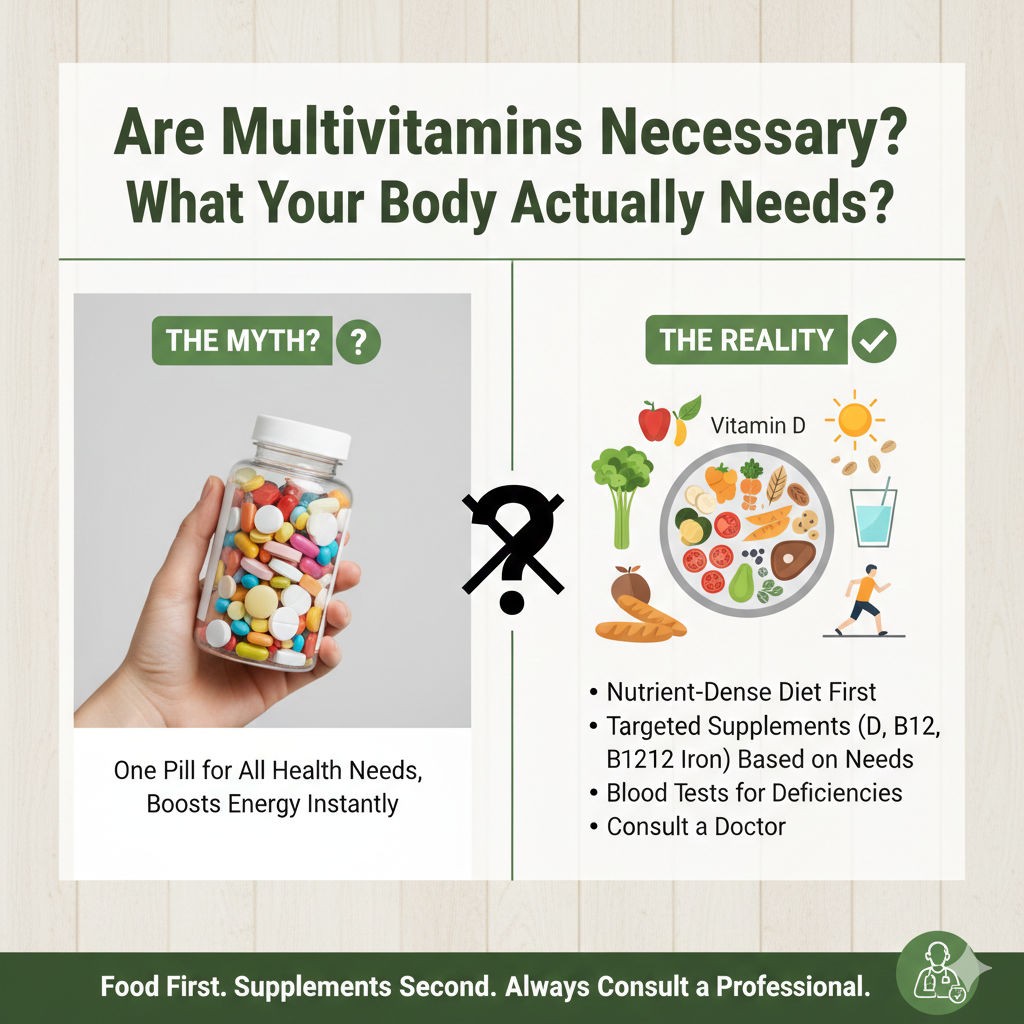
Do you also find it to be curious whenever doctors give some multivitamins along with the medications for the main concern, and during a visit to the pharmacy shop, you see many multivitamins that provide enhanced immune function, radiant skin, healthy hair, and higher energy levels? You must be thinking about whether you actually require them or whether they can be considered as an alternative, which will be clarified in clearer terms by going through this blog.
Let’s Start Simple: What Is a Multivitamin?
➤ It is a type of supplement that blends various vitamins and minerals.
➤ Vitamins include A, B-complex, C, D, iron, zinc, and much more.
➤ Mostly they are used to correct nutrient deficiency in daily food choices.
Quick Check: Do You Really Need One?
Give answers to these questions.
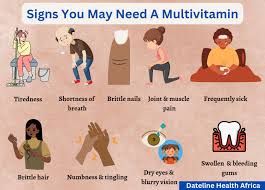
➤ Do you feel fatigued after having the proper amount of sleep?
➤ Do you get sick often or face difficulty in recovering well?
➤ Do you have some preference for a highly controlled diet, such as vegan keto, or low-calorie?
➤ Are you currently a pregnant and breastfeeding person or over the age of 50?
If your answers are “yes” to two of these questions, that can be to say these multivitamins might be helpful for you.
Is Your Diet Enough to Meet Your Nutrient Needs?
➤ Yes, a balanced diet filled with fruits, vegetables, whole grains, proteins, and healthy fats mostly covers your bodily requirements.
➤ Practically, most of the individuals tend to miss out on meals, depend on processed foods, limit certain food groups, and grab quick meals, leading to nutritional gaps.
➤ Nutritional gaps vary widely, which means multivitamins are not the same for everyone.
The Truth About Multivitamins: Benefits vs. Myths
➤ They can maintain nutritional health.
➤ Multivitamins reduce the risk of deficiencies. 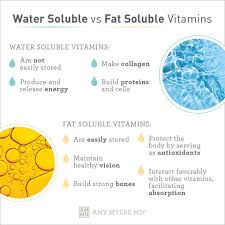
➤ They can provide targeted support for specific conditions.
➤ Multivitamins can’t act as a substitute for a poor diet.
➤ They can’t increase energy quickly.
➤ They won’t support recovery from fatigue or illness.
➤ Multivitamins can’t compensate for sleep loss.
Truth Check: Let’s Get Real
➤ If you consume vegetables for 4-5 days a week: No significant deficiency
➤ Your meals are tea, toast, snacks, and processed foods: supplements may be beneficial.
➤ Never had a blood test: Mostly assuming and not properly checked to take them.
Who Should Really Take Multivitamins?
➤ Women expecting or breastfeeding
➤ Old age individuals
➤ Those with gut health conditions
➤ Those who are healing from illness or surgical procedures
➤ Those who are healthy are advised to consume balanced meals.
The Risk Behind “Just in Case” Supplements
➤ Many fat-storing vitamins, such as A, D, E, and K, that can accumulate in the body and can result in adverse effects due to excessive consumption
➤ Iron overload can be more harmful than other supplements.
How to Figure Out What You Really Need?
➤ Firstly, do a blood test.
➤ Take advice from a doctor or nutritionist.
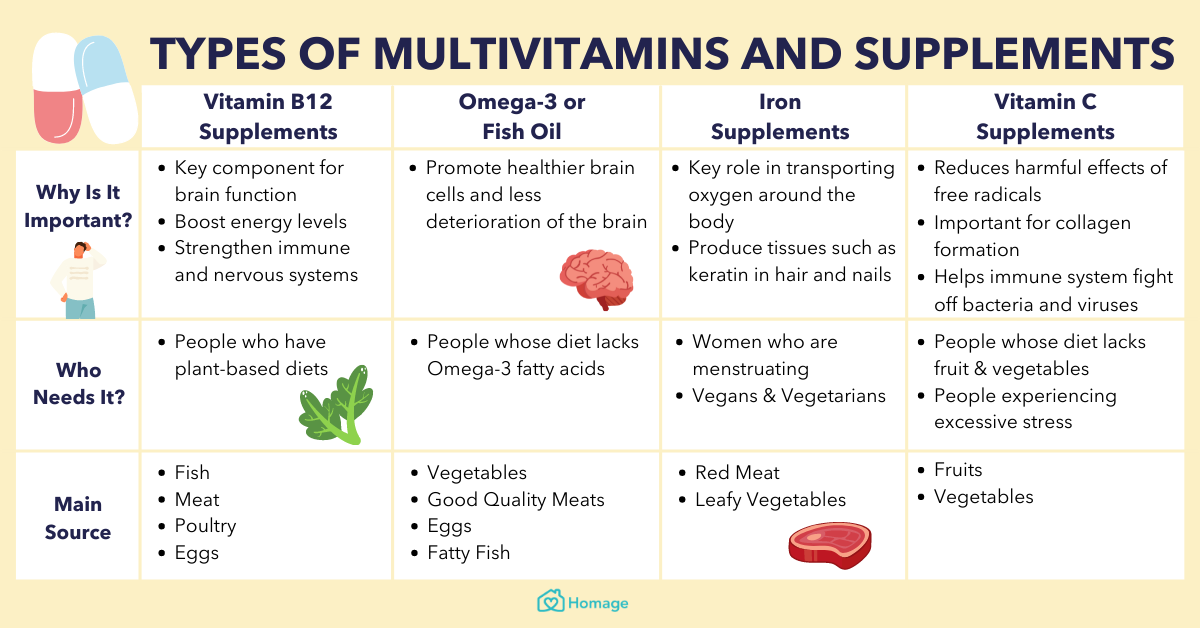
➤ Determine type of deficiencies such as B12, D, and iron
➤ Tailored supplements are safer, impactful, and smarter.
Conclusion
Multivitamins can be very helpful for those who have been diagnosed with a confirmed deficiency, belong to high-risk groups, and consume a poor diet. It is not always recommended for those who are conscious of their food choices, feel fit and active, and see it as some sort of miracle rather than as a supportive tool.