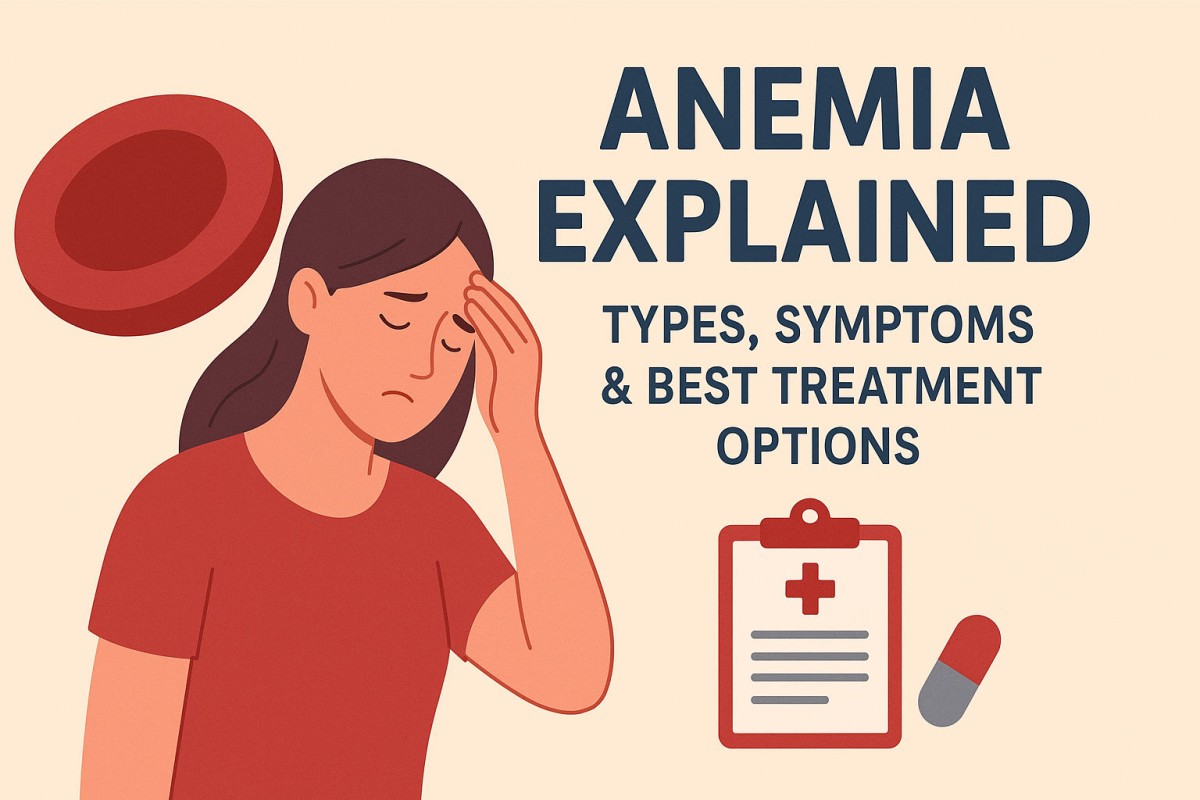
Anemia is considered to be a condition that creates impact upon children, women and those with ongoing health problems. It particularly occurs when body lacks the ability to produce healthy red blood cells or hemoglobin that carry appropriate amount of oxygen to essential tissues. It is important to understand different types of anemia, predisposing factors, underlying signs and treatment options to encourage proactive attention towards better outcomes and prevention.
Anemia: What It Means for Your Health?
Hemoglobin is known to be a protein that exists in red blood cells to support oxygen circulation throughout the body. When hemoglobin level decreases, the body obtains less oxygen and can result in lethargy due to insufficient oxygen to muscles, pale skin, dizziness due to oxygen unable to reach the brain, shortness of breath and reduced attention span. It can develop slowly or rapidly that may have long term effects ranging from moderate to severe. It can be caused due to low iron levels, poor diet, vitamin B12 deficiency, chronic diseases, blood loss due to injury, surgical procedure and menstruation, genetic defects such as thalassemia, sickle cells disease and bone marrow disease. These symptoms can be diagnosed through complete blood count that focuses on hemoglobin levels, red blood cell count, hematocrit and different tests may be needed to look for iron deficiency, vitamin B12 and bone marrow biopsy. 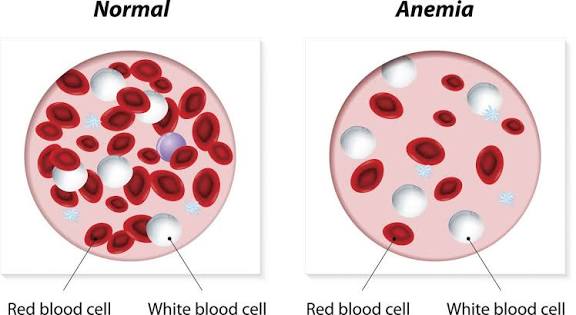
Different Forms of Anemia
❖ Iron Deficiency Anemia
It is the most frequent type, particularly occurs due to shortage of iron that is important for developing hemoglobin. It results from excessive bleeding either due to heavy menstrual cycle or gastrointestinal problems, unhealthy lifestyle and difficulty absorbing nutrients. 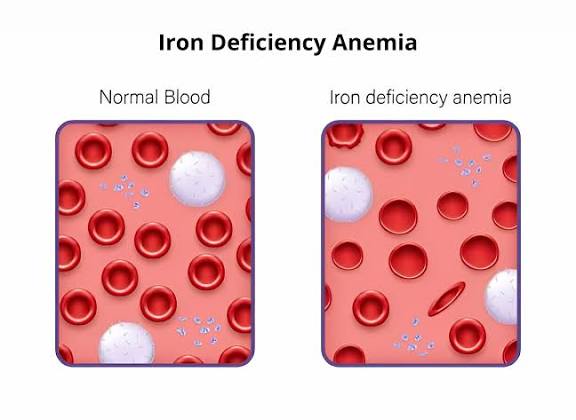
❖ Vitamin Deficiency Anemia
It mostly occurs due to absence of vitamin B12 or folate that can disrupt red blood cell production and pernicious anemia is a specific type that impairs body ability to absorb vitamin B12 properly. 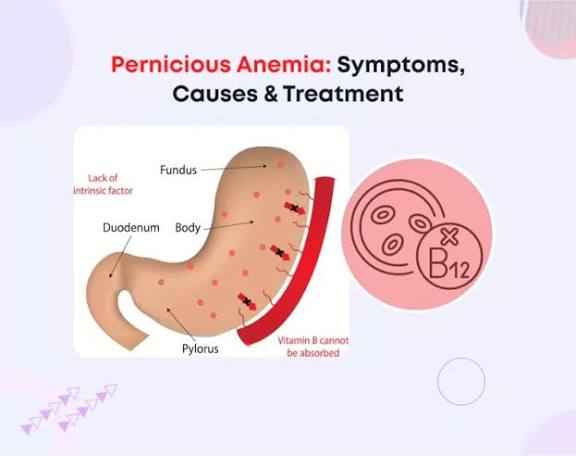
❖ Aplastic Anemia
It is very unusual type in which bone marrow unable to produce appropriate red blood cells that can be due to autoimmune diseases, infections and contact with harmful chemicals. 
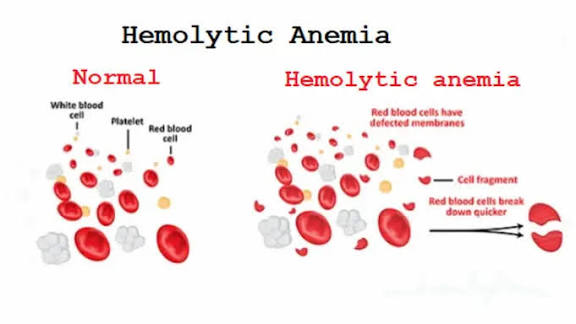
❖ Hemolytic Anemia
This results when red blood cells are damaged quickly than they can be developed and can have genetic cause through sickle cell anemia, thalassemia and obtained due to bacterial infection, medication and autoimmune disorders.
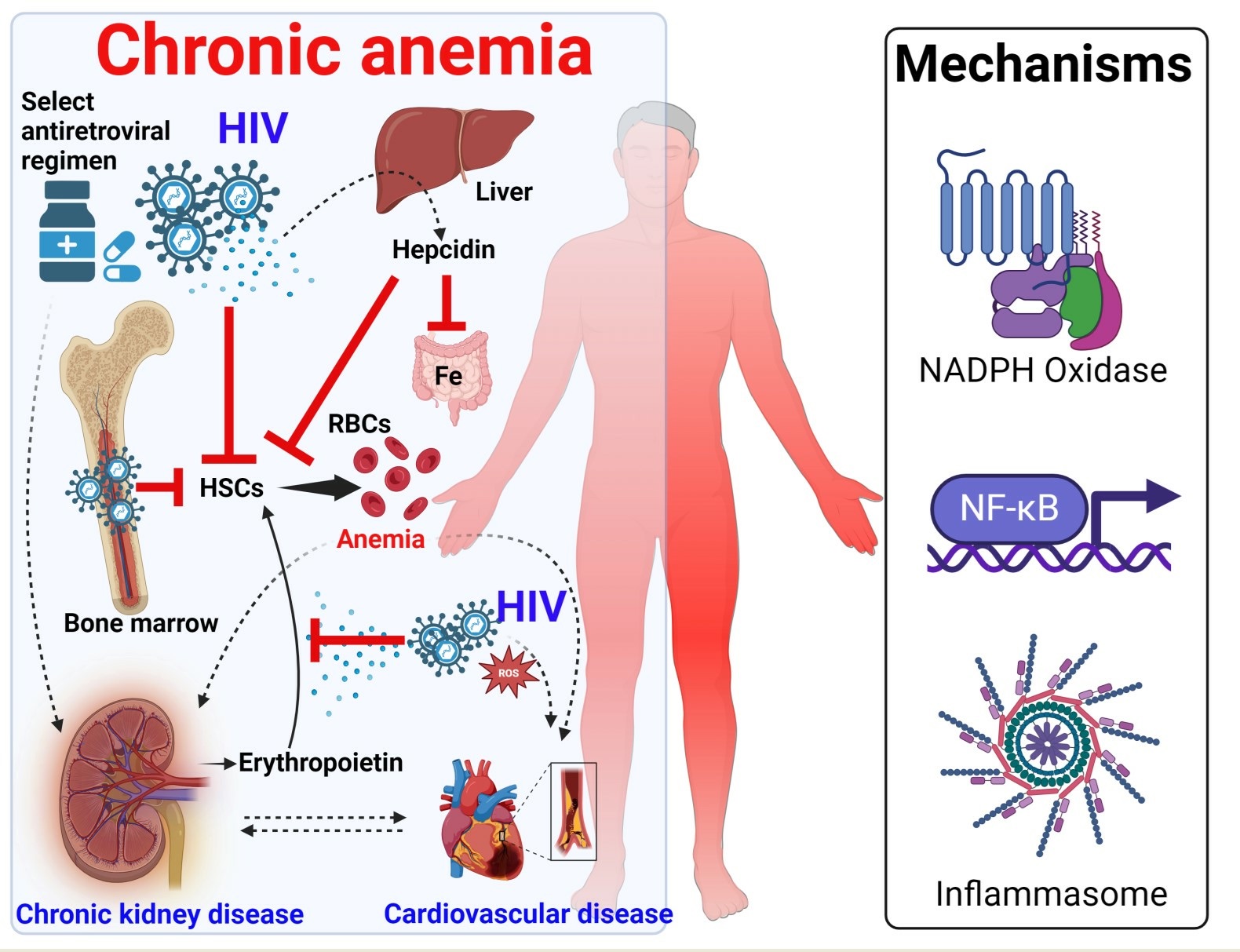
❖ Anemia of Chronic Disease
Long term disease, inflammatory disease and cancer can disturb red blood cell formation that leads to anemia.
Treatment Alternatives for Different Types of Anemia
❖ Those with iron deficiency anemia may be experiencing stomach discomfort, requires to eat beans, spinach and anything that contains vitamin C with citrus fruits for iron absorption. It is important for them to treat any signs of blood loss such as ulcers or heavy menstrual activity
❖ Individual with vitamin deficiency anemia may require oral supplements for folate absorption.
❖ Hemolytic anemia treatment requires understanding causes, dealing with symptoms, use medications to decrease unhealthy immune response and removal of spleen through surgery.
❖ Anemia of chronic disease can be treated through medication that promote the production of red blood cells.
Conclusion
Anemia can be treated more easily by looking out for early signs such as low energy, breathlessness and pale skin for effective diagnosis. Consuming balanced diet filled with essential nutrients, regular medical check ups to track blood levels, refrain from drinking too much coffee or tea, keep drinking water and rested well to avoid burnout.