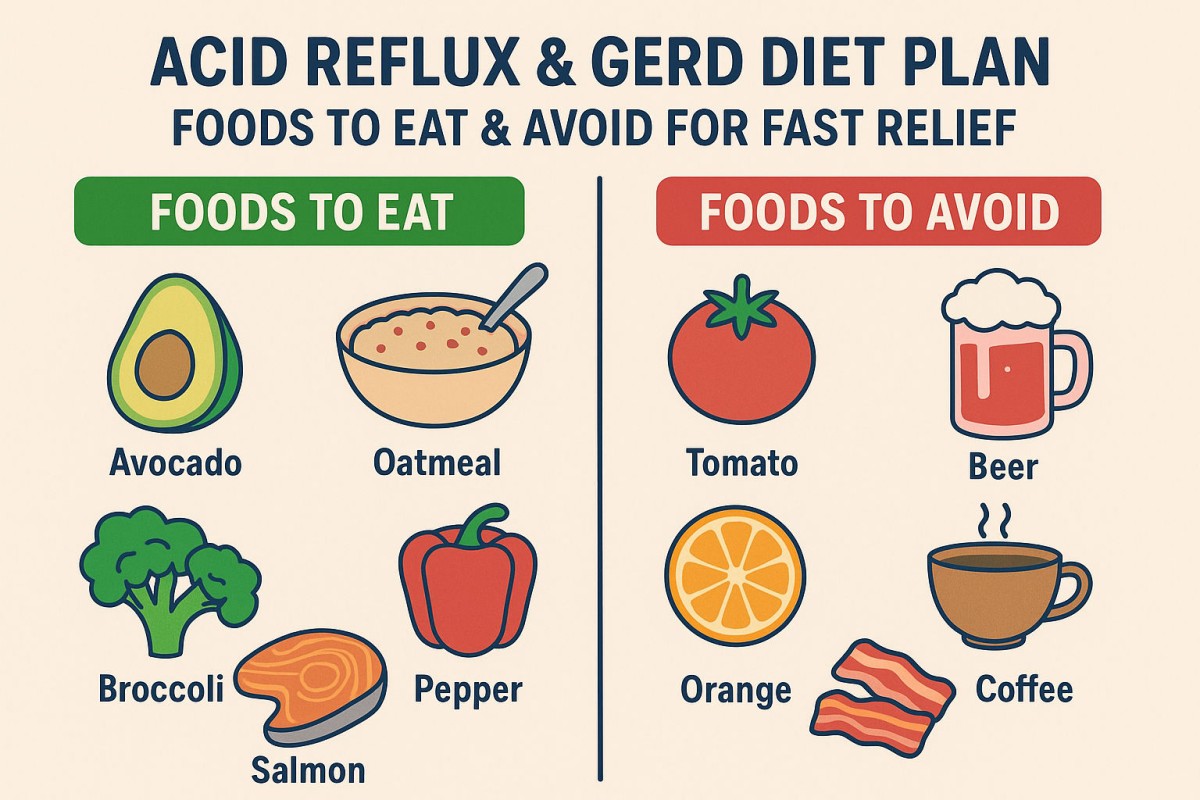
Acid reflux and gastroesophageal reflux disease are frequent gut-related problems that result in distress and impact quality of life. Common symptoms such as acidity, vomiting, and painful sensations in the chest and throat can be treated by finding an appropriate diet routine to ensure instant relief from such conditions. There is a list of the best foods to avoid eating, which can be easily consumed to lessen the severity of symptoms and encourage healthy digestion.
What are acid reflux & GERD?
1. Acid reflux results when stomach digestive fluids flow back into the food pipe, damaging the protective lining and developing a similar painful sensation called heartburn. It can be caused by spicy, oily foods that can increase acid production and prevent acid backflow; citrus fruits and tomatoes due to high acidity; soft drinks; coffee; large meals during nighttime; stressful situations; inadequate sleep; and substance abuse. 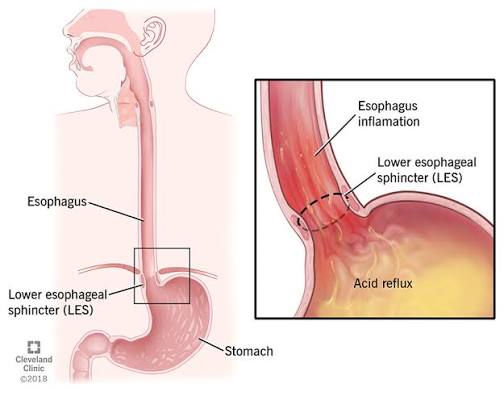
2. GERD is a more intense, long-term form of acid reflux that can lead to problems if not treated properly. If reflux occurs more than twice a week, it can be considered GERD and require immediate medical intervention. 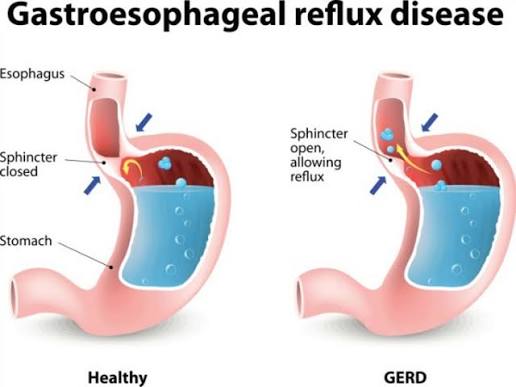
Recommended Foods for Rapid Relief
1. Fruits, including bananas, melons, apples, and pears, that are nonacidic and offer necessary vitamins and fibers.
2. Many vegetables that are low in fat and contain less sugar, such as leafy greens, broccoli, green beans, cucumbers, and potatoes, to counteract acid levels.
3. Oatmeal, brown rice, and whole grains that have rich fibers and decrease acid reflux symptoms.
4. Those who prefer non-vegetarian options such as skinless chicken, turkey, and fish can also choose plant-based meals that are filled with protein, such as tofu, as they are easy to digest without causing acid reflux.
5. Developing balanced meals that contain appropriate quantities of healthy fats such as olive oil, flaxseed, and avocado that can be comforting for the gut.
6. Ginger as a homemade ingredient is an anti-inflammatory supplement that can be soothing for the stomach and alleviate vomiting sensations. Fresh or powdered ginger can be incorporated into meals or infused as tea.
Suggestions for Dealing with Acid Reflux and GERD
1. It is beneficial to consume smaller and frequent meals and refrain from eating around the bedtime routine by maintaining a gap of 2-3 hours to give the stomach time for clearing out.
2. It can be essential to maintain a healthy weight, as it won’t increase pressure on abdomen muscles that can push acid upward. Staying hydrated during the day and avoiding drinking large quantities of water during meals can reduce the risk of acid rising during the night.
Conclusion
Acid reflux and GERD are interrelated health conditions that affect digestive function and can be managed by following some easy instructions and making use of some home remedies, such as drinking warm water, drinking aloe vera juice, chewing fennel seeds, drinking cold milk if suitable, and taking ginger or jeera water. It can be important to seek medical advice if symptoms such as difficulty taking down food, intense burning in the chest, constant coughing, unusual weight fluctuations, and heartburn lasting more than 2 weeks occur.