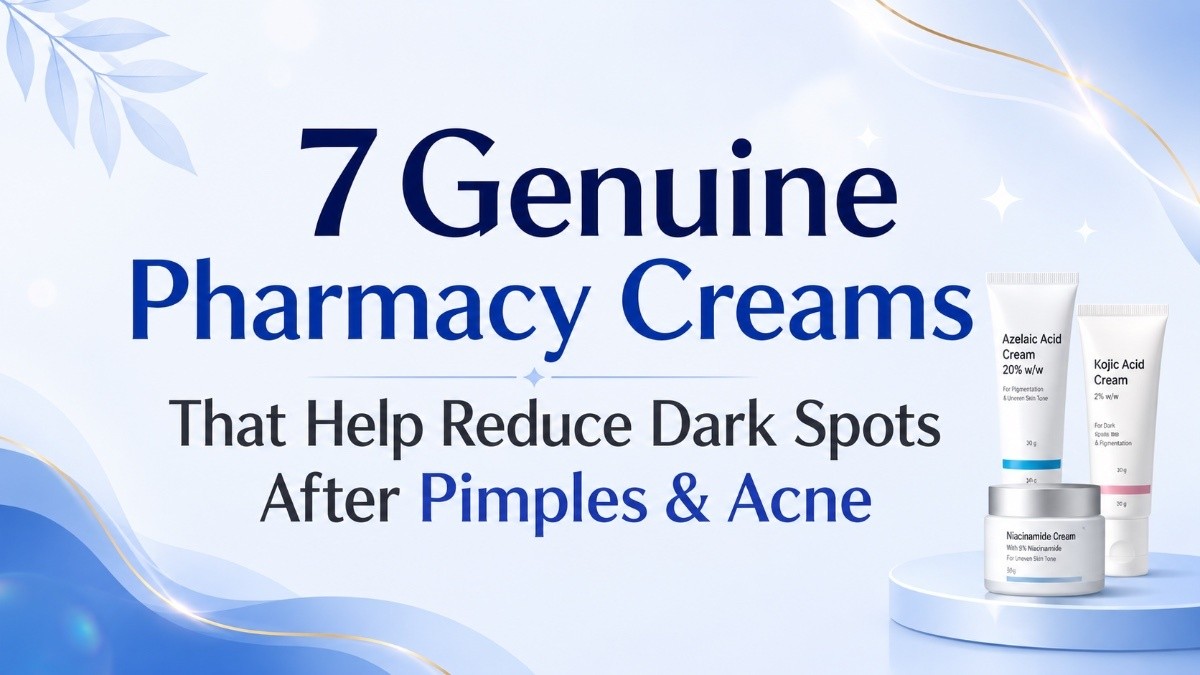
Pimples or acne already created frustration while appearing during special occasions or random days, and dark spots that were left behind can remain on the skin for weeks or some months. These dark spots are also known as post-acne pigmentation that can impact one’s self-worth. Due to scientific advancement, various treatments are available that are very expensive and newly trending skincare routine that makes people feel confused. Despite all such cases, there are various pharmacy creams that can aid in removing these dark spots slowly when used appropriately.
Every cream works differently for everyone due to its formulation and skin sensitivity. In this blog, we will be discussing some common and trusted pharmacy creams that are usually suggested for preventing post-acne marks and dark spots.
Reasons behind pimples leaving dark spots
▶ When acne or pimples occur, they trigger inflammation and cause the skin to produce extra melanin that leads to pigmentation.
▶ After pimple heals, mark that can be brown, red and slightly purple in colour can stay behind and usually disappears with time period.
▶ These post-inflammatory hyperpigmentations can also get reduced with the help of creams as they speed up the recovery process.
Popular pharmacy creams for dark spots
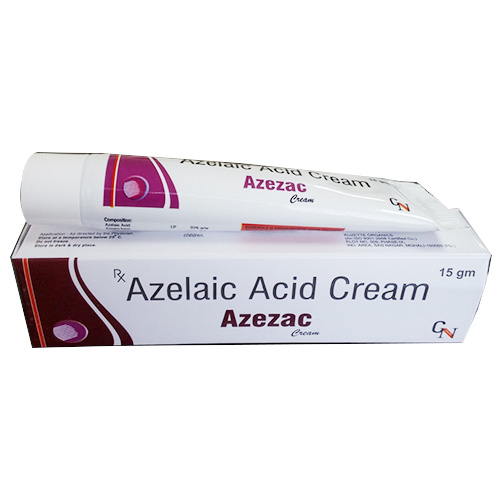
▶ Azelaic acid cream
❖ It helps to deal with pigmentation and reduce the effect of acne-causing bacteria.
❖ It mostly works on brown spots, controlling skin redness and stopping new pimples from occurring.
❖ It is most suitable for sensitive and oily skin during nighttime, and use sunscreen along with this cream while walking outdoors.
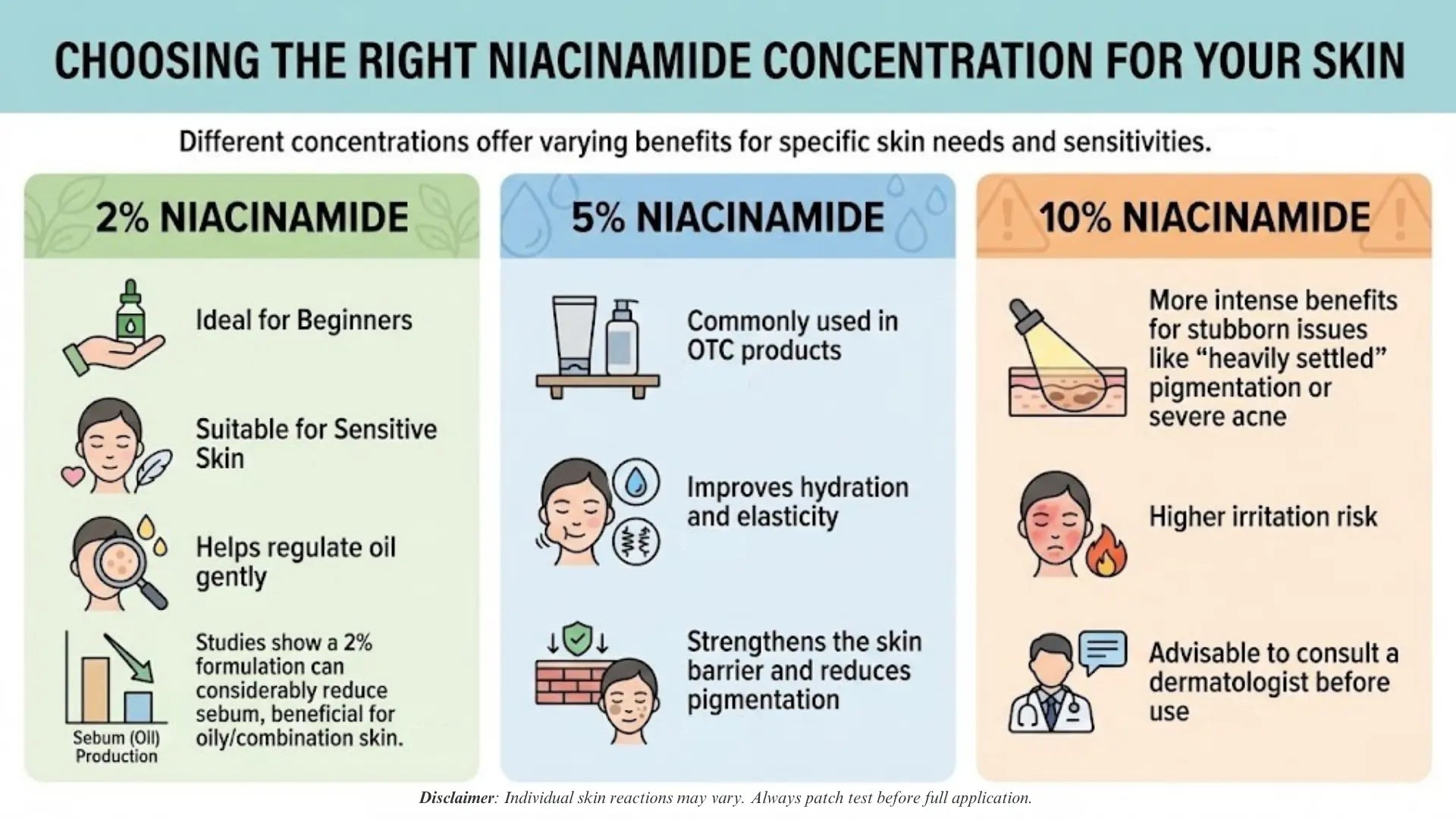
▶ Niacinamide gel or cream
❖ It is a particular type of vitamin B3 that functions gradually on uneven skin texture.
❖ It improves skin brightness, reduces oiliness from skin, and maintains a protective outer skin layer for soft and healthy skin.
❖ It is usually considered a beginner-friendly alternative with its gentle ingredients that match all skin types.
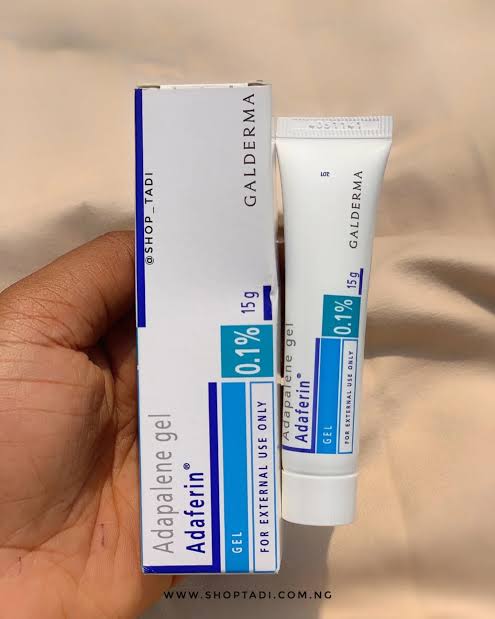
▶ Adapalene gel
❖ It improves the efficiency of the skin cell turnover process.
❖ It reduces blocked pores.
❖ It makes acne marks disappear over time.
❖ Important note: It should be used slowly in the beginning as it can cause dryness and peeling skin.
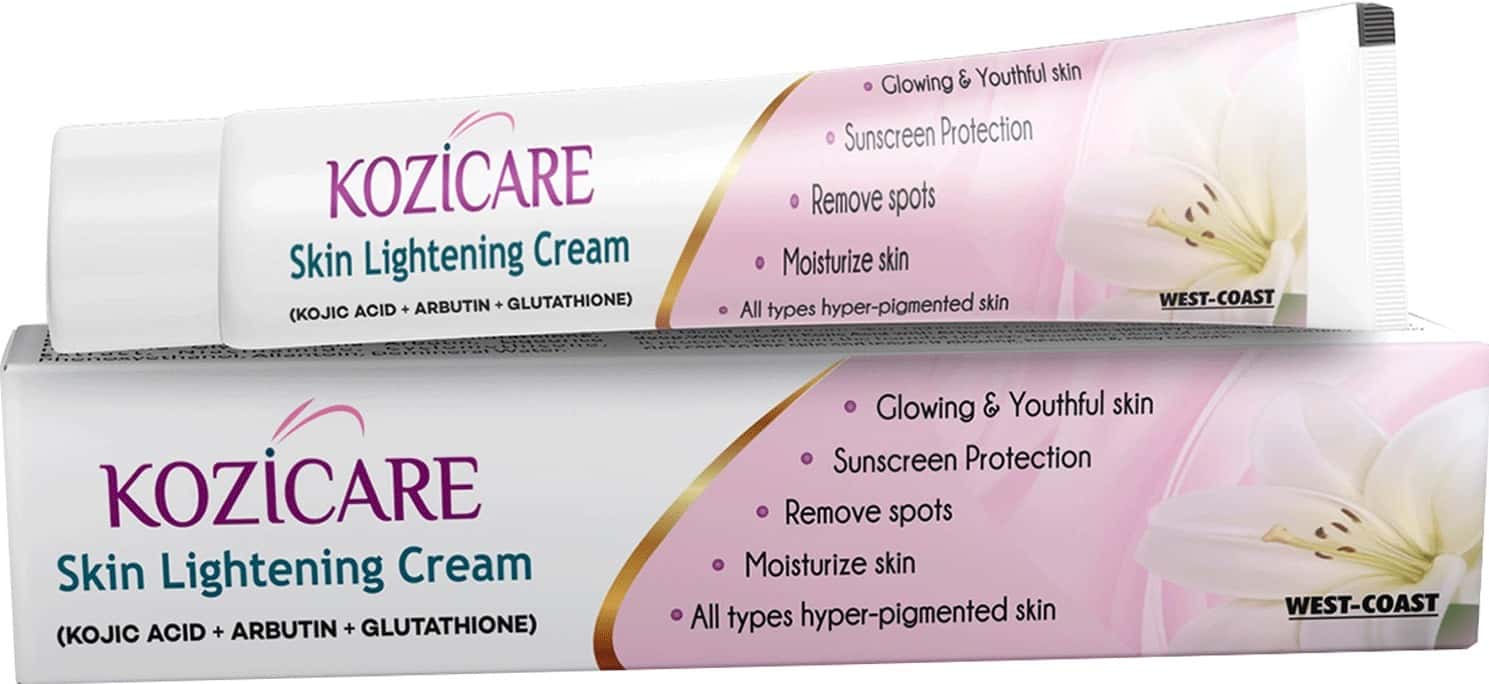
▶ Kojic acid cream
❖ It clears up stubborn acne marks.
❖ It provides glow to dull or tired-looking skin.
❖ Sensitive skin types may need to use it very cautiously, as it may cause irritation, and it also works well with the sunscreen.
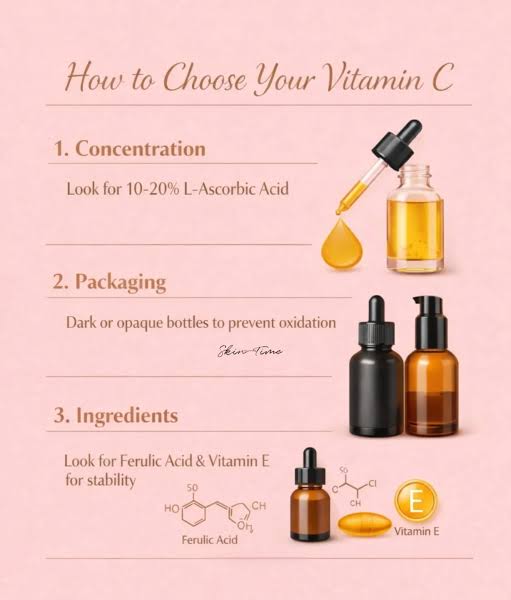
▶ Vitamin C cream or gel
❖ It promotes skin radiance by brightening up skin tone.
❖ It prevents skin damage from environmental agents.
❖ It should be used that contains a skin-friendly formulation and is followed by using sunscreen.
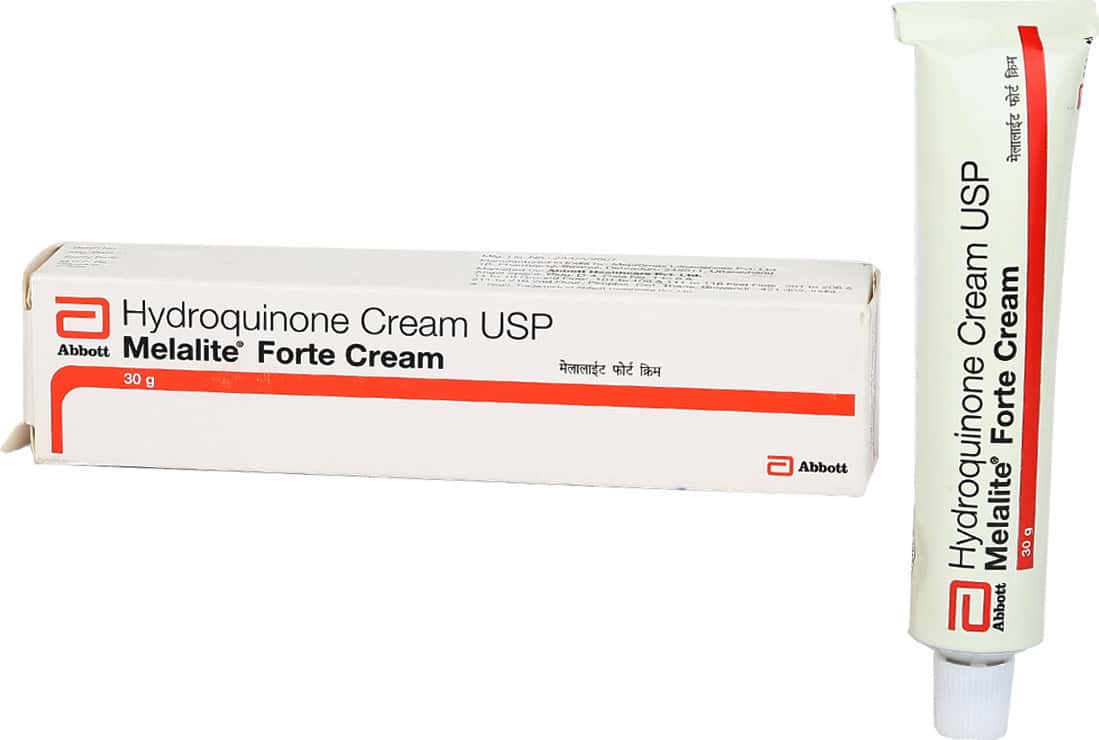
▶ Hydroquinone cream
❖ It should be used after taking proper medical guidance from a skincare professional.
❖ It reduces stubborn dark spots for short-term usage.
❖ It should not be used frequently as it can damage the skin.
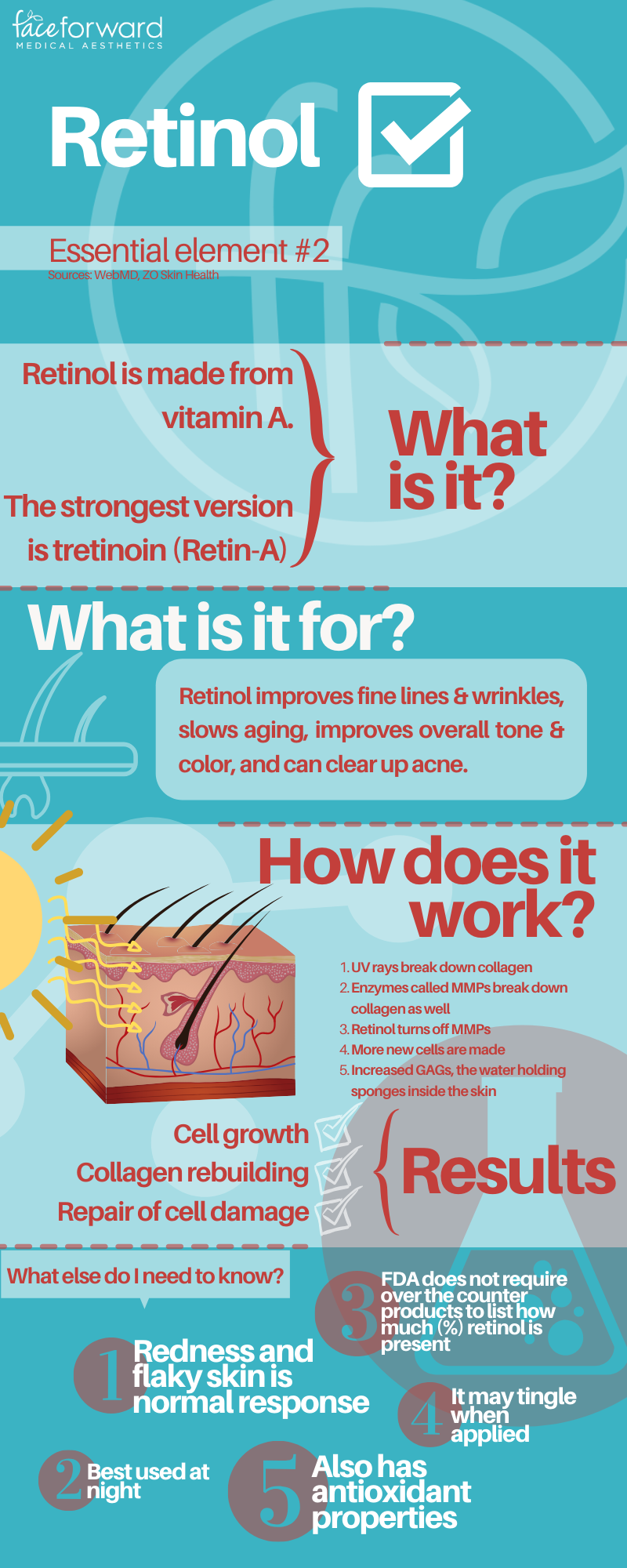
▶ Retinol-based cream
❖ It enhances skin texture and gives glowing skin.
❖ It should be used along with moisturizer and sunscreen.
❖ It takes time to show significant improvements in reducing acne marks by using it 2-3 times a week.
Conclusion
There are different treatments and creams available for reducing dark spots after a pimple heals. Besides using these creams, many meaningful habits such as using sunscreen and moisturizer for hydrating skin and reducing the intensity of dark spots, avoiding touching or squeezing pimples, gradually waiting for the cream to show its impact, and refraining from using all active ingredients such as retinol and exfoliants together. Beginners should use niacinamide or azelaic acid; those with prominent acne marks should benefit from adapalene; stubborn pigmentation requires kojic acid or hydroquinone; those who prefer glowing skin need vitamin C; and long-term improvement in skin texture is provided by retinol creams. It should be kept in mind that that certain dark spots can occur due to allergic reaction or medical condition that requires strict professional supervision in case of side effects based on different skin types.