You must be someone who eats healthy, keeps hydrating, and includes nutritious foods in your meal plan, but still sometimes your stomach becomes tighter and fuller than usual, which causes distress.
The hidden reality is some of the healthy foods can cause bloating that shouldn’t be avoided to consume. It is simply asking you to understand how your body works based on how much food you consume, how much time you take to finish your meal, and the overall sensitivity of your stomach lining.
Let’s take a glimpse at some of the most common healthy foods that are indirectly triggering bloating issues and alternative actions that can be taken to treat them.
List of Food Items That Causes Bloating:
➜ Broccoli and Cauliflower
These vegetables are filled with vitamins and fiber and also contain a particular kind of carbohydrate that causes indigestion. When your gut functioning starts to break them into smaller parts, gas is released and causes stomach discomfort. It is advised to consume such vegetables in smaller portions, steam these vegetables, and eat them along with easily digestible food. 
➜ Beans and Lentils
Beans consist of complex sugars and fiber that break down in the stomach. Eating them in large amounts can disturb your stomach functioning. It is suggested to soak beans before cooking and be fully hydrated throughout the day. 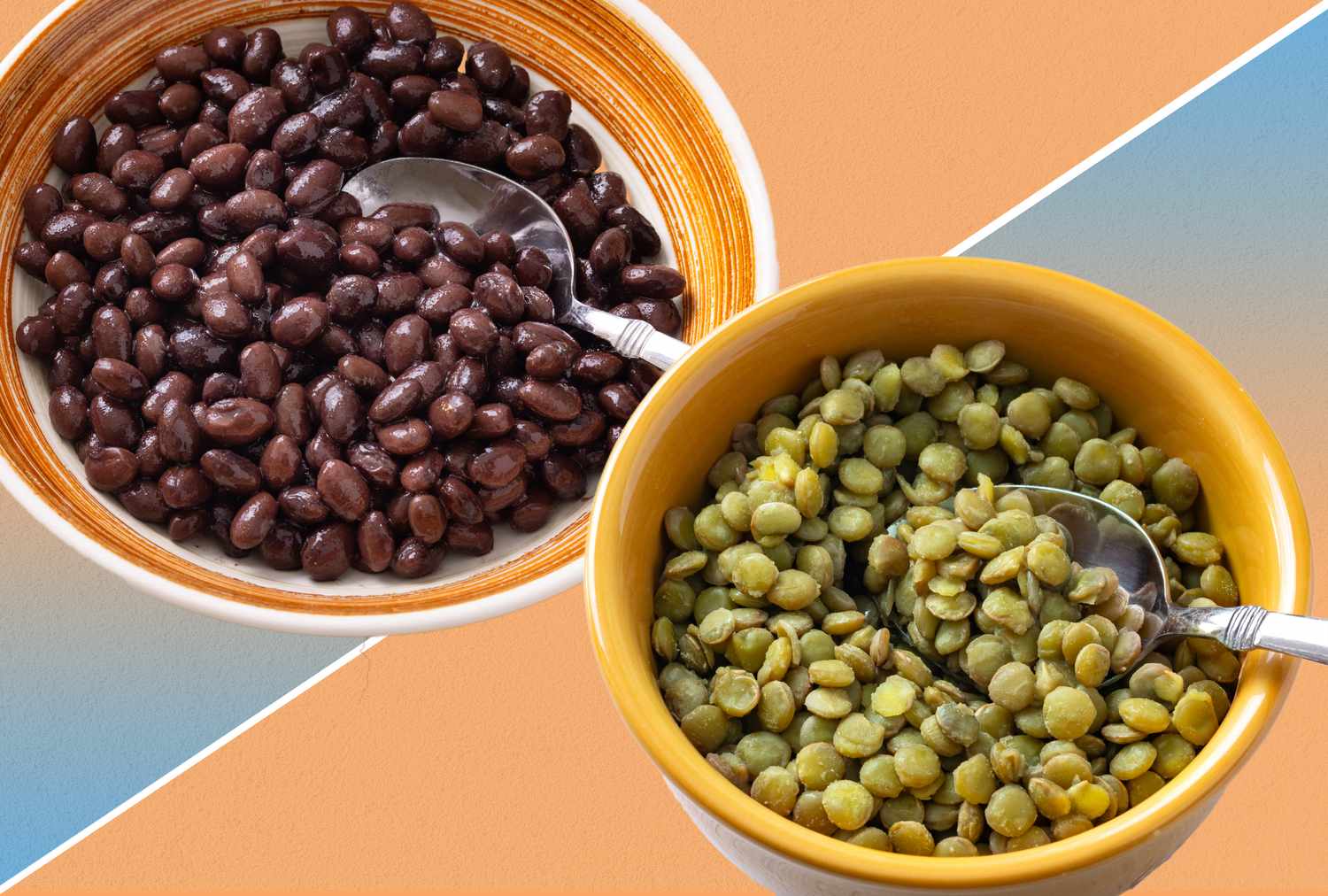
➜ Greek Yogurt
It is often considered a prebiotic food that helps in easy digestion. Those people who deal with lactose intolerance may need to struggle with gas problems and feeling uncomfortable in their stomachs despite consuming healthy yogurt. It is better to look for symptoms such as stomach growling and feeling bloated after eating dairy products and heavy meals. Trying lactose-free or plant-based products can help. 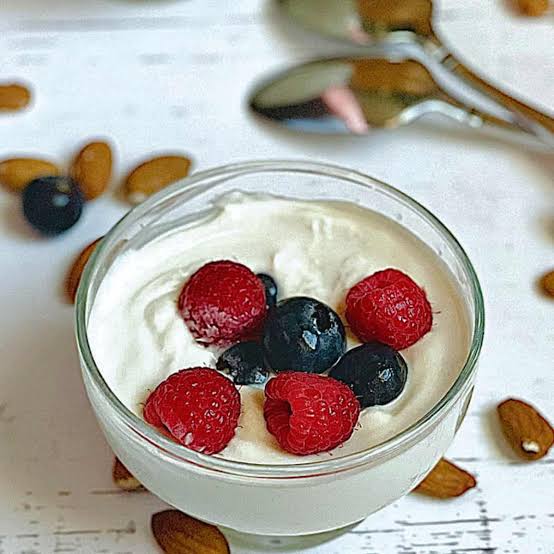
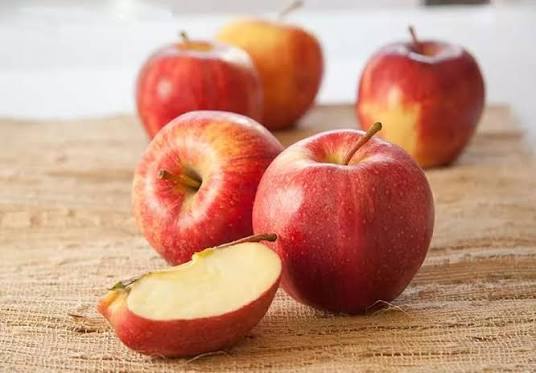
➜ Apples
Every doctor recommends this fruit as a healthy way to start a day. Apples consist of natural sugars and fibers that cause bloating in easily upset stomachs. Such issues can occur when Apple is consumed on an empty stomach. It is helpful to eat small slices and pair them with peanut butter or nuts.
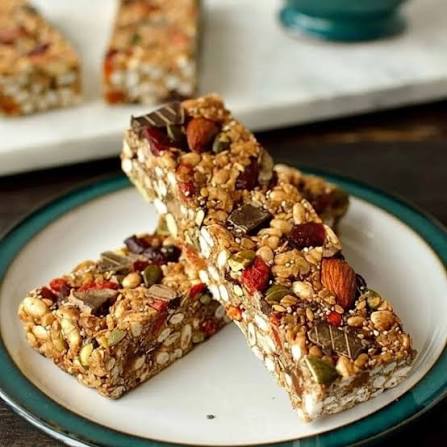
➜ Protein Bar
Such fancy, healthy, quick snacks often consist of sugar alcohols and added fibers that can be difficult to digest. It is especially important to look for ingredients such as sorbitol, erythritol, and chicory root fiber that trigger bloating issues.
➜ Sparkling Water
The bubbles formed in this water are made up of carbon dioxide gas that usually gets trapped in the digestive system and forms pressure in the stomach. It is effective to drink plain water or drinking sparkling water in small amounts without using a straw.

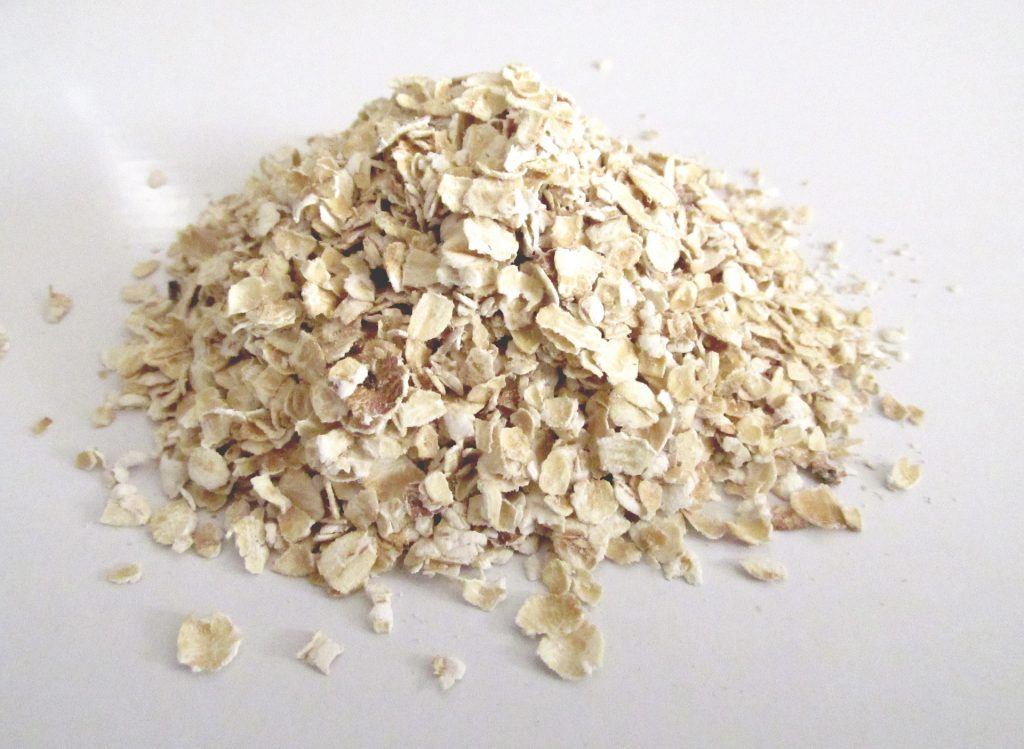
➜ Oats
Oats are considered healthy for heart functioning and digestion, but your body requires some time to adapt to a high amount of fiber food. It is better to start with a small portion of oats and increase its quantity gradually.
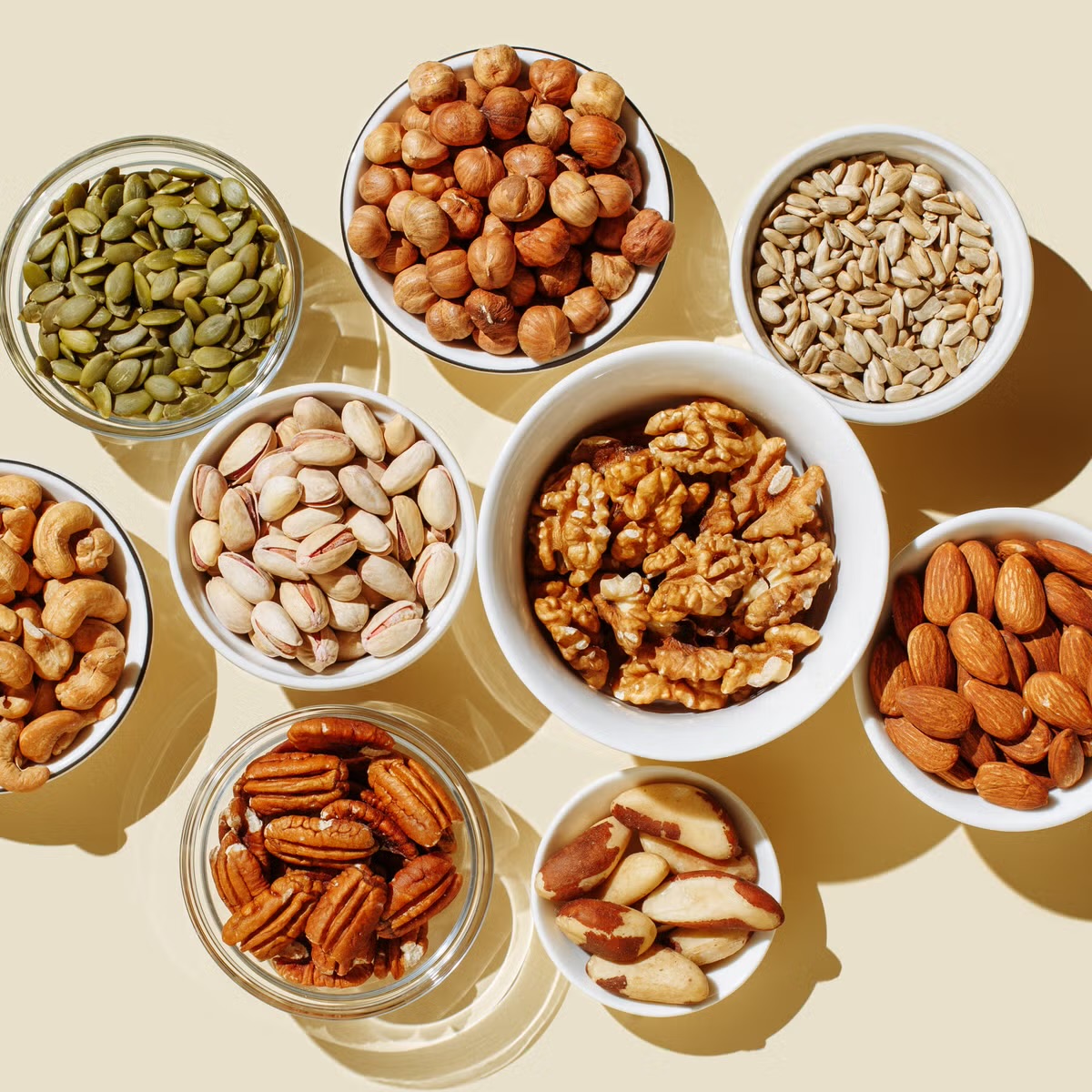
➜ Nuts
It consists of almonds, cashews, and pistachios that can be difficult to digest in large quantities. Such nutritional snacks are dense and have high fiber content that causes stomach problems. Eating a handful of them and chewing slowly to maintain a balanced portion.
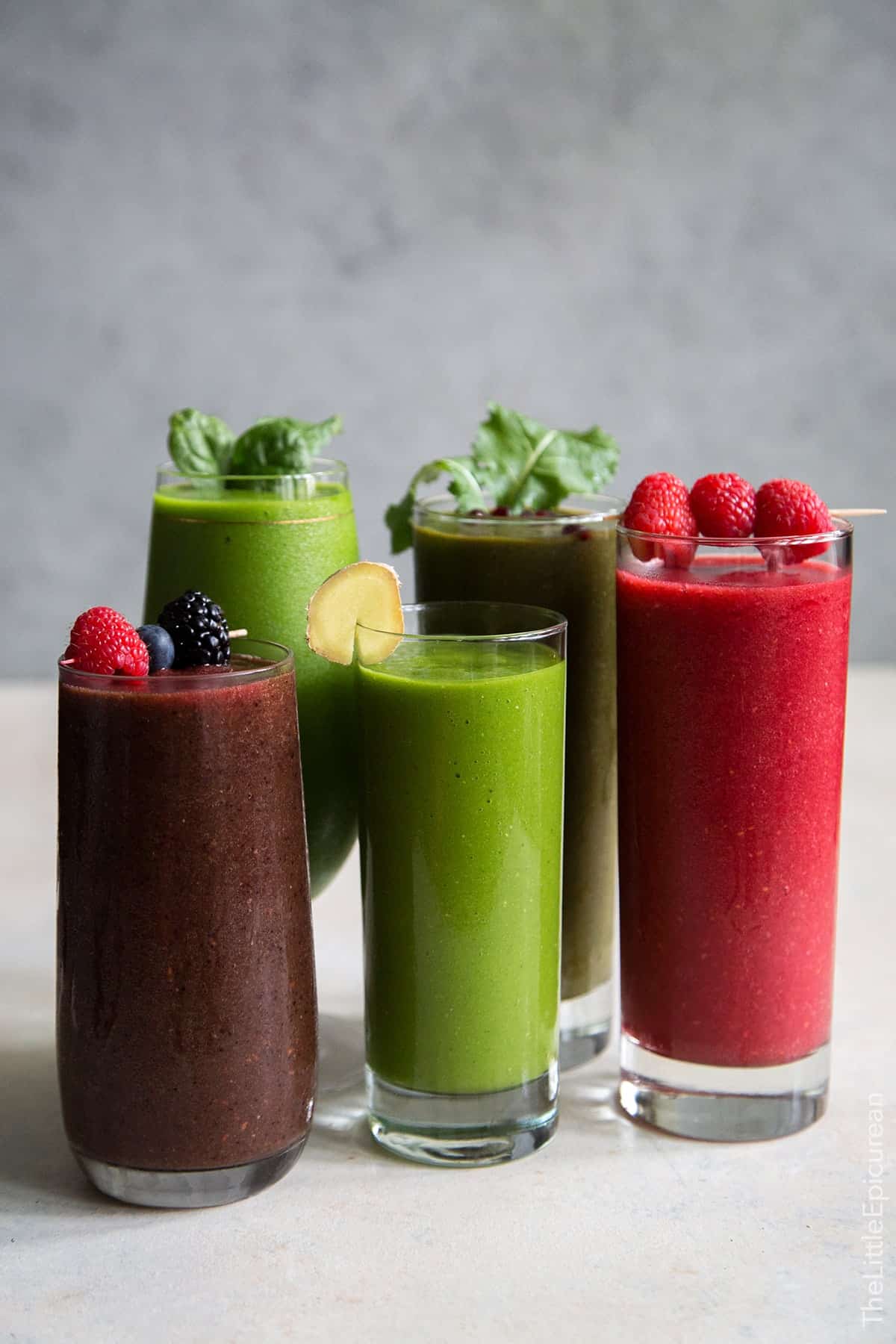
➜ Smoothies
Such drinks are made up by mixing too many ingredients, such as fruits, dairy, seeds, protein powder, and sweeteners, that can be too heavy for your stomach. It is beneficial to use minimal ingredients and avoid adding sugar-filled fruits.
➜ Salads
Raw vegetables are considered healthy to consume and consist of fiber in large amounts that makes your stomach look bigger in size. It is suggested to use warm cooked vegetables and prefer suitable garnishes over them.

Conclusion
Even healthy foods can cause stomach issues based on the number of ingredients they contain and individual appetite levels. Every food item listed is suggested to be consumed in smaller portions, slowly tasting it to check instant effect, eating along with easily digestible food, drinking water, and increasing meal portion gradually based on body reaction.